10 Must-Try Dishes in Turkish Cuisine for Food Lovers
Turkish cuisine is a rich tapestry of flavors and traditions, celebrated worldwide for its unique blend of spices, fresh ingredients, and hearty dishes. From the vibrant appetizers that kick off a meal to the decadent desserts that bring it to a sweet conclusion, each dish tells a story of the...

Turkish cuisine is a rich tapestry of flavors and traditions, celebrated worldwide for its unique blend of spices, fresh ingredients, and hearty dishes. From the vibrant appetizers that kick off a meal to the decadent desserts that bring it to a sweet conclusion, each dish tells a story of the culture and history behind it. Food lovers seeking to explore the culinary landscape of this fascinating country will uncover must-try dishes that showcase the best of Turkish cuisine, ensuring a memorable dining experience filled with astonishing tastes and aromatic delights.
- 1. Traditional Turkish Appetizers to Start Your Meal
- 2. Hearty Main Dishes That Define Turkish Cuisine
- 3. Popular Grains and Sides in Turkish Meals
- 4. Decadent Turkish Desserts to Satisfy Your Sweet Tooth
- 4.1. Comparison Table of Popular Turkish Desserts
- 5. Beverages That Perfectly Complement Turkish Dishes
- 6. Frequently Asked Questions
- 6.1. What are the key ingredients commonly used in Turkish dishes?
- 6.2. How does Turkish cuisine differ from other cuisines?
- 6.3. What is a traditional Turkish breakfast like?
- 6.4. Are Turkish dishes suitable for vegetarians?
- 6.5. What is the significance of meze in Turkish dining culture?
Traditional Turkish Appetizers to Start Your Meal
When diving into Turkish Cuisine, the appetizers, or “meze,” serve as a delightful introduction to the flavors of Turkey. These small dishes tantalize the taste buds and perfectly set the stage for what’s to come. Here are some must-try traditional Turkish appetizers:
- Hummus: A creamy blend of chickpeas, tahini, garlic, and lemon juice, hummus offers a smooth texture and rich flavor, making it a favorite across Turkey.
- Dolma: Grape leaves stuffed with a mixture of rice, pine nuts, and various spices, dolmas come in both vegetarian and meat-filled variations, ensuring an option for everyone.
- Baba Ghanoush: This smoky, savory eggplant dip pairs gloriously with fresh bread. It combines roasted eggplants, tahini, and garlic, resulting in a deliciously unique spread.
- Ezme: A spicy tomato and pepper salad, ezme captivates with its freshness and heat, often complemented by crispy pita chips.
- Kısır: A refreshing bulgur wheat salad dressed with lemon, tomato, parsley, and onion. This healthy option adds a vibrant touch to your appetizer selection.
These appetizers showcase the diversity and vibrant flavors inherent in Turkish Cuisine. Each dish embodies a different aspect of Turkey’s rich culinary heritage, making them a perfect starting point for your gastronomic journey.


Hearty Main Dishes That Define Turkish Cuisine
Turkish Cuisine boasts an array of hearty main dishes that are as rich in flavor as they are in tradition. Here are some must-try dishes that truly define this culinary heritage:
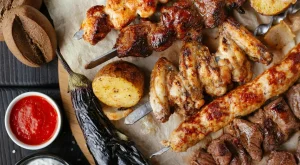
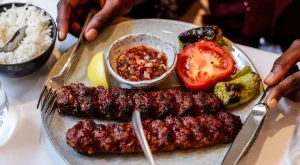
- Kebabs: Renowned worldwide, Turkish kebabs vary widely across regions. Common varieties include:
- Adana Kebab: A spicy minced meat skewer.
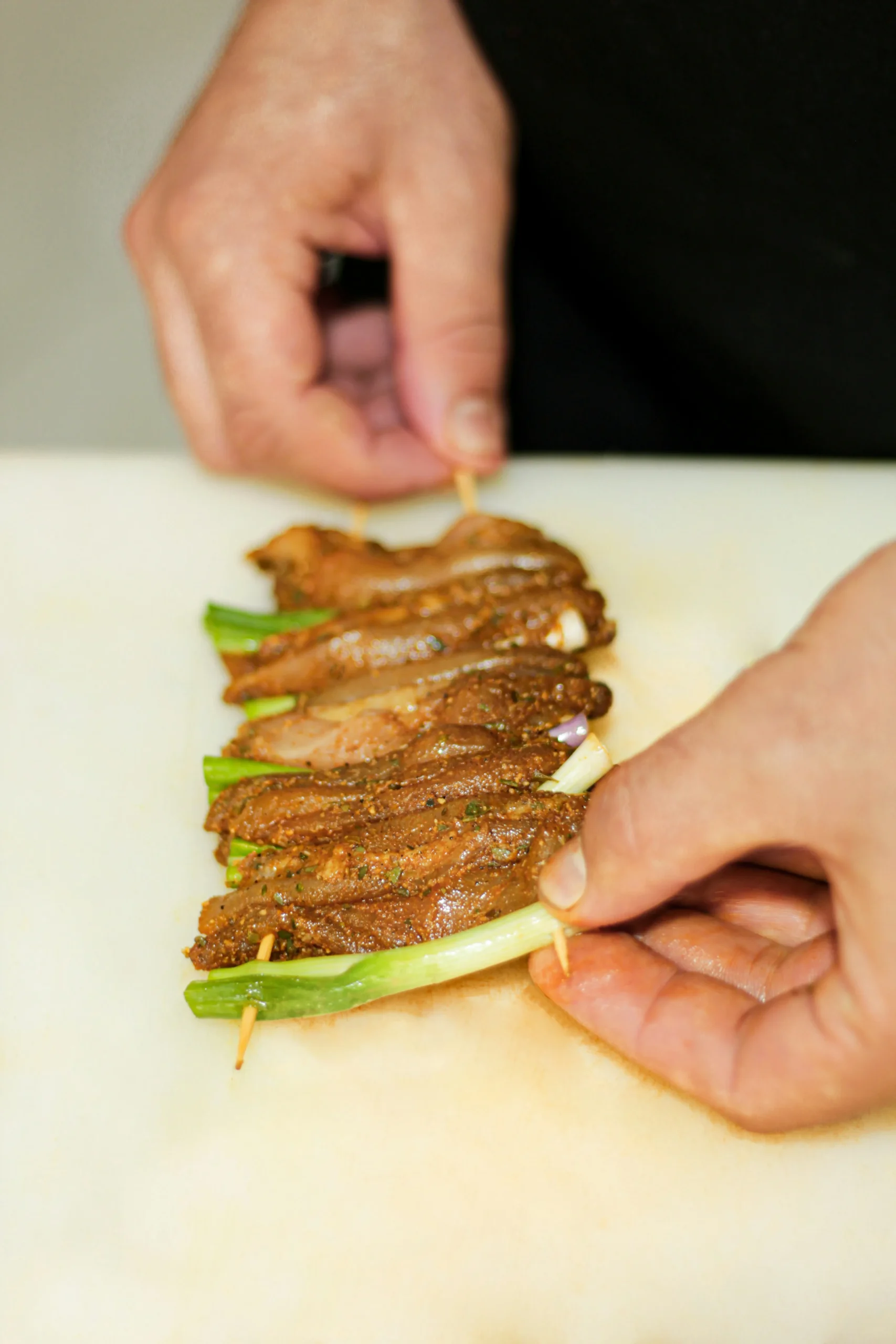
- Şiş Kebab: Grilled meat on skewers, often served with vegetables.
- Lahmacun: Often referred to as Turkish pizza, this dish features thin, flatbread topped with minced meat, vegetables, and spices. It is typically rolled up and enjoyed with fresh parsley and lemon.
- Manti: These Turkish dumplings consist of small pieces of dough filled with minced meat and served with a garlic yogurt sauce, providing an exquisite blend of flavors.
- Dolma: Stuffed vegetables, commonly peppers and grape leaves, filled with rice, herbs, and spices. This dish elegantly showcases the versatility of Turkish Cuisine.
- Pide: Another flatbread delight, pide is topped with various ingredients like cheese, egg, and meats, baked to a perfect golden-brown, making it a comforting meal.
Comparison Table of Hearty Dishes:
| Dish | Main Ingredients | Serving Style |
|---|---|---|
| Kebabs | Lamb, chicken, spices | Grilled on skewers |
| Lahmacun | Flatbread, minced meat, veggies | Rolled with toppings |
| Manti | Dough, minced meat, yogurt | Served with sauce |
| Dolma | Rice, herbs, vegetables | Served warm or cold |
| Pide | Flatbread, various toppings | Baked and sliced |
Indulging in these hearty main dishes will immerse you deeply in the flavors and history that characterize Turkish Cuisine. Each bite tells a story and brings forth the warmth of Turkish hospitality.
Popular Grains and Sides in Turkish Meals
In the realm of Turkish Cuisine, grains and sides hold a significant place, complementing main dishes and providing a variety of textures and flavors. Here are some key elements that define these staples:
- Rice (Pirinç): A cornerstone of Turkish meals, rice is often served plain or with spices and vegetables. Two popular variations include:
- Pilav: Fluffy rice cooked with broth and mixed with ingredients such as chickpeas or nuts.
- Bulgur: Cracked wheat that offers a nutty taste and a chewy texture, often used in salads.
- Bread (Ekmek): Turkish bread, particularly pide and lamaçun, serves as a perfect accompaniment. Ekmek comes in various forms, which include:
- Simit: A sesame-crusted bread that makes for an excellent snack.
- Lavash: A thin, soft flatbread, ideal for wrapping meats or dips.
- Vegetable Dishes: Often served as mezes, vegetables play a crucial role in Turkish Cuisine. Common dishes include:
- Zeytinyağlı Enginar: Artichokes braised in olive oil, showcasing fresh produce.
- Imam Bayildi: Stuffed eggplants that highlight the bold flavors of garlic and tomatoes.
By incorporating these grains and sides into your meals, you truly experience the richness and diversity of Turkish Cuisine. Each adds not only flavor but also nutritional value, making every dinner a well-rounded affair.
Decadent Turkish Desserts to Satisfy Your Sweet Tooth
Turkish cuisine is not only legendary for its savory dishes but is also a paradise for sweet lovers. Here are some must-try desserts that showcase the rich flavors, textures, and traditions of Turkish cuisine:
- Baklava: A staple in Turkish cuisine, this layered pastry filled with nuts and drenched in honey syrup is a true delight. The balance of crispy and gooey makes it irresistible.
- Muhallebi: This creamy milk pudding, often flavored with rose water or mastic, offers a gentle sweetness and velvety texture. It’s a comforting choice for any dessert lover.
- Künefe: A warm dessert made with shredded phyllo dough, filled with melted cheese, and topped with syrup. Enjoy its unique blend of sweet and savory.
- Sütlaç: A traditional rice pudding that offers comforting flavors. Served cold or warm, it’s typically flavored with cinnamon or vanilla, making every bite a soothing experience.
Comparison Table of Popular Turkish Desserts
| Dessert | Main Ingredients | Texture | Serving Temperature |
|---|---|---|---|
| Baklava | Phyllo, nuts, honey | Crispy & gooey | Room temperature |
| Muhallebi | Milk, rice flour | Creamy | Cold or room temp |
| Künefe | Phyllo, cheese, syrup | Crispy & hot | Warm |
| Sütlaç | Rice, milk, sugar | Creamy | Warm or cold |
Indulging in these desserts offers a profound taste of Turkish culture and culinary heritage. Turkish cuisine not only satisfies your savory cravings but also elevates your sweet tooth with these decadent desserts.
Beverages That Perfectly Complement Turkish Dishes
Turkish Cuisine offers an array of delightful beverages that beautifully enhance the dining experience. From traditional teas to refreshing alcoholic options, these drinks are integral to the Turkish culinary landscape. Here’s a look at some must-try beverages that complement the rich flavors of Turkish dishes:
- Çay (Turkish Tea): A staple in Turkish households, this strong black tea is often served in tulip-shaped glasses. It pairs perfectly with savory pastries like börek or as a refreshing palate cleanser between meaty dishes.
- Ayran: This yogurt-based drink is a national favorite. It’s both soothing and refreshing, making it a great match for spicy kebabs. Ayran balances rich flavors and aids digestion.
- Raki: Known as “lion’s milk,” this anise-flavored alcoholic beverage is a traditional accompaniment to seafood dishes. Enjoy it served with meze (appetizers) for a truly authentic experience.
- Şıra: A non-alcoholic fermented beverage made from grapes, şıra pairs well with many meaty dishes in Turkish cuisine, enhancing their flavors without overwhelming them.
| Beverage | Main Pairing | Flavor Profile |
|---|---|---|
| Çay | Börek | Strong, slightly bitter |
| Ayran | Kebab | Creamy, tangy |
| Raki | Seafood | Anise, herbal |
| Şıra | Meat dishes | Fruity, mild |
In summary, beverages like çay, ayran, raki, and şıra not only quench your thirst but also enhance the overall experience of enjoying Turkish Cuisine. Don’t miss out on these delightful drinks next time you savor a Turkish meal!
Frequently Asked Questions
What are the key ingredients commonly used in Turkish dishes?
Turkish cuisine is known for its vibrant flavors and diverse dishes, utilizing a variety of key ingredients. Staples include vegetables such as eggplant, tomatoes, and peppers, as well as grains like rice and bulgur. Proteins often feature lamb, chicken, and fish, which are commonly marinated and spiced with herbs like parsley and mint. Additionally, dairy products such as yogurt and cheese play a significant role, particularly in dishes like meze and kebabs.
How does Turkish cuisine differ from other cuisines?
Turkish cuisine stands out due to its rich history and geographical influences, blending Mediterranean, Middle Eastern, and Central Asian flavors. Unlike some other cuisines, it emphasizes a balance of spices rather than overwhelming heat. Turkish meals often include a variety of mezes (appetizers), grilled meats, and slow-cooked stews. Furthermore, the use of fresh ingredients and natural flavors, along with traditional cooking techniques, creates a unique dining experience that reflects the diverse cultural heritage of Turkey.
What is a traditional Turkish breakfast like?
A traditional Turkish breakfast is a lavish affair featuring an assortment of dishes designed to create a hearty meal. It typically includes slices of fresh bread, olives, various cheeses, tomatoes, cucumbers, and jam. Menemen, a dish made from scrambled eggs cooked with tomatoes, peppers, and spices, is also common. Accompanied by Turkish tea or coffee, this breakfast tends to sit between a simple meal and a lavish brunch, emphasizing the importance of communal dining.
Are Turkish dishes suitable for vegetarians?
Yes, many Turkish dishes cater to vegetarian diets, incorporating an abundance of vegetables, grains, and legumes. Renowned vegetarian options include dishes like Imam Bayildi (stuffed eggplant), Dolma (stuffed grape leaves), and a variety of salads. Additionally, meze plates often feature multiple vegetarian selections, ensuring that there are plenty of choices for those who prefer to avoid meat, all while still experiencing the rich flavors that Turkish cuisine offers.
What is the significance of meze in Turkish dining culture?
Meze holds a special place in Turkish dining culture, serving as a collection of small dishes meant to stimulate the appetite and encourage social interaction. Traditionally enjoyed alongside drinks, meze can include a variety of items like dips, salads, and grilled vegetables. The act of sharing these small plates fosters a communal atmosphere during meals, allowing guests to taste and enjoy a range of flavors and textures, thus enhancing the overall dining experience.