
How to Incorporate Turkish Food into Your Weekly Meal Plans
Incorporating Turkish food into your weekly meal plans can elevate your culinary experience with vibrant flavors and healthy ingredients. This rich cuisine, known for its diverse range of dishes, offers a perfect blend of meats, vegetables, grains, and spices that can easily fit into a modern diet. From traditional recipes...

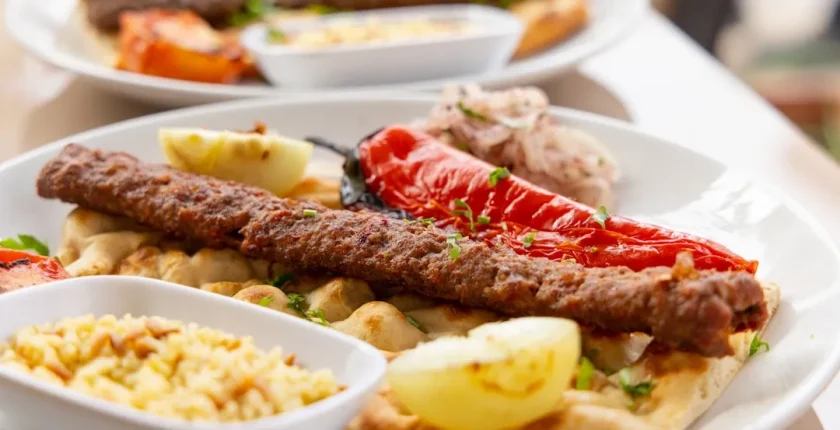
Incorporating Turkish food into your weekly meal plans can elevate your culinary experience with vibrant flavors and healthy ingredients. This rich cuisine, known for its diverse range of dishes, offers a perfect blend of meats, vegetables, grains, and spices that can easily fit into a modern diet. From traditional recipes that highlight regional variations to practical meal prep tips, discovering how to seamlessly integrate these delicious dishes into your routine is both exciting and rewarding. Prepare to embark on a flavorful journey that will transform your everyday meals.
- 1. Understanding the Basics of Turkish Cuisine
- 2. Key Ingredients for Authentic Turkish Dishes
- 2.1. Fresh Produce
- 2.2. Herbs and Spices
- 2.3. Proteins
- 2.4. Grains
- 3. Simple Turkish Recipes for Busy Weekdays
- 3.1. 1. Menemen (Turkish Scrambled Eggs)
- 3.2. 2. Turkish Lentil Soup (Mercimek Çorbası)
- 3.3. 3. Pide (Turkish Pizza)
- 4. Meal Prep Tips for Incorporating Turkish Flavors
- 5. Exploring Regional Variations in Turkish Food
- 6. Frequently Asked Questions
- 6.1. What are some staple ingredients in Turkish cuisine that I should include in my meal plans?
- 6.2. How can I adapt traditional Turkish recipes to fit my dietary preferences?
- 6.3. Can I prepare Turkish food in advance for the week?
- 6.4. What are some quick Turkish recipes for busy weeknights?
- 6.5. How can I incorporate Turkish flavors into my existing cooking routines?
Understanding the Basics of Turkish Cuisine
Turkish food offers a rich tapestry of flavors and aromas, blending Mediterranean, Middle Eastern, and Central Asian influences. This diverse culinary tradition creates a delightful experience that transports you straight to Turkey with every bite. Here are some key elements that define Turkish cuisine:
- Flavors: Turkish food typically features bold spices, fresh herbs, and a balance of sweet and savory profiles. Common spices include cumin, paprika, and mint, used to enhance the taste of dishes.
- Ingredients: Staples in Turkish kitchens consist of legumes, grains, vegetables, and proteins such as lamb, chicken, and fish. Olive oil plays a crucial role, often replacing butter in traditional recipes.
- Dishes: Signature Turkish dishes such as kebabs, mezes (appetizers), and dolmas (stuffed vegetables) showcase the variety and richness of this cuisine. Each dish often tells a story of the region it originates from.
- Cooking Techniques: Turkish cooking employs various methods, including grilling, braising, and baking, often using a wood-fired oven known as a tandır, which imparts a unique flavor to the food.
Incorporating Turkish food into your weekly meal plans will not only introduce new flavors but also celebrate a culture known for its hospitality and rich food heritage. Embrace the delicious world of Turkish cuisine and elevate your meals!


Key Ingredients for Authentic Turkish Dishes
To create delicious and authentic Turkish food at home, it’s essential to stock up on key ingredients that form the backbone of this vibrant cuisine. Here’s a breakdown of the must-have components:
Fresh Produce
- Tomatoes: The heart of many Turkish recipes, varieties include plum and cherry.
- Bell Peppers: Sweet or spicy, they add flavor and color to numerous dishes.
- Eggplants: Essential for dishes like Imam Bayildi and Baba Ganoush.
Herbs and Spices
- Parsley: Fresh parsley brightens dishes, often used in salads and mezes.
- Mint: Dried or fresh, it enhances flavors in both salads and meats.
- Cumin: A staple spice that adds depth to meats, stews, and pilafs.
Proteins
- Lamb: A popular choice in Turkish food, known for its rich flavor.
- Chicken: Often grilled or stewed, it showcases Turkish marinades.
- Mediterranean Fish: Fresh fish like sea bream and trout are grilled or baked.
Grains
- Rice: Prepare it the Turkish way, often seasoning with spices like saffron.
- Bulgur: Integral for salads and pilafs, offering a nutty flavor.
By incorporating these key ingredients, your cooking will bring the essence of Turkish food to your table. Experiment with various combinations to capture the unique flavors of this incredible cuisine!
Simple Turkish Recipes for Busy Weekdays
Incorporating Turkish Food into your weekly meal plans doesn’t have to be time-consuming. Here are three simple recipes that allow you to enjoy authentic flavors without spending hours in the kitchen.
1. Menemen (Turkish Scrambled Eggs)
Ingredients:
- 4 eggs
- 2 medium tomatoes, diced
- 1 green bell pepper, chopped
- 2 tablespoons olive oil
- Salt and pepper to taste
Instructions:
- Heat olive oil in a frying pan over medium heat.
- Add bell peppers and sauté until softened, about 3 minutes.
- Stir in the diced tomatoes and season with salt and pepper.
- Once the tomatoes are cooked down, add the eggs and scramble gently until just set.
2. Turkish Lentil Soup (Mercimek Çorbası)
Ingredients:
- 1 cup red lentils, rinsed
- 1 onion, diced
- 1 carrot, diced
- 2 tablespoons tomato paste
- 4 cups vegetable or chicken broth
- Spices: cumin, salt, and pepper to taste
Instructions:
- In a pot, sauté diced onion and carrot until soft.
- Stir in tomato paste, followed by lentils and broth.
- Season with spices and simmer for 20-25 minutes until lentils are tender.
3. Pide (Turkish Pizza)
Ingredients:
- Ready-made pizza dough
- 200g ground beef or lamb
- 1 onion, finely chopped
- 1 bell pepper, diced
- Spices: paprika, salt, and pepper
Instructions:
- Preheat your oven to 220°C (428°F).
- In a skillet, cook the ground meat with onion and bell pepper until browned. Season it.
- Roll out the dough, fill it with the meat mixture, and fold the edges to create a boat shape.
- Bake for 15-20 minutes until golden brown.
With these easy recipes, you can effortlessly bring the delightful essence of Turkish Food to your dining table during busy weekdays!
Meal Prep Tips for Incorporating Turkish Flavors
Incorporating Turkish food into your weekly meal plans can be an enjoyable culinary adventure. Here are some effective meal prep tips to help you achieve this:
- Plan Your Menu: Start by selecting diverse Turkish dishes that you can rotate throughout the week. Classic options include kebabs, mezes, and pilafs.
- Batch Cooking: Prepare larger quantities of key dishes like manti (Turkish dumplings) or kisir (bulgur salad). Store them in portioned containers for quick lunches or dinners.
- Utilize Spices: Stock up on essential spices such as sumac, cumin, and paprika. They are crucial for bringing out authentic Turkish flavors when seasoning proteins or vegetables.
- Embrace Marination: Marinade meats in yogurt-based mixtures or olive oil with herbs overnight. This deepens flavors and saves time during the week.
- Diverse Sides: Prepare a variety of sides ahead of time. Options like hummus, tzatziki, and fresh salads can balance your meals and enhance your Turkish food experience.
- Freezing Options: Many Turkish foods freeze well. Consider making a large batch of borek and freezing them. Heat them directly from the freezer for a quick and satisfying meal.
By implementing these meal prep tips, you can easily enjoy the rich and diverse world of Turkish food in your everyday cooking!

Exploring Regional Variations in Turkish Food
Turkish food showcases a rich tapestry of regional flavors and cooking techniques, making it incredibly diverse. Each region has its culinary specialties, influenced by geography, climate, and cultural traditions. Here’s a brief overview of some notable regional variations in Turkish food:
- Marmara Region: This area, including Istanbul, is famous for its seafood. Dishes like balık ekmek (fish sandwich) and hamsi tava (fried anchovies) highlight the abundance of fresh fish.
- Aegean Region: Known for its olive oil-based dishes, the Aegean cuisine features ingredients like vegetables, legumes, and seafood. Popular dishes include zeytinyağlı enginar (artichokes with olive oil) and çılbır (poached eggs with yogurt).
- Central Anatolia: This region excels in hearty dishes made from grains and meats. Favorites include manti (Turkish dumplings) and testi kebabı (clay pot kebab).
- Eastern Anatolia: Rich and spicy flavors define this region. Be sure to try dishes like kebap varieties and kadınbudu köfte (meatballs with rice).
- Southern Turkey (Mediterranean): Here, citrus fruits and a variety of herbs play a key role in dishes such as adana kebabı (spicy skewered meat) and various mezes.
Incorporating these regional specialties into your weekly meal plans not only introduces new flavors but also brings a sense of adventure to your dining experience with Turkish food.
Frequently Asked Questions
What are some staple ingredients in Turkish cuisine that I should include in my meal plans?
Turkish cuisine is rich in variety and flavor, featuring staple ingredients such as bulgur, lentils, and rice, which serve as a base for many dishes. Additionally, olive oil is a key ingredient used for cooking and dressing salads. Herbs like parsley and mint, as well as spices such as cumin and paprika, play an essential role in enhancing flavors. Don’t forget to incorporate proteins like lamb, chicken, and seafood, along with fresh vegetables such as eggplant, tomatoes, and peppers for a balanced meal.
How can I adapt traditional Turkish recipes to fit my dietary preferences?
Adapting traditional Turkish recipes is quite simple! For instance, if you follow a vegetarian or vegan diet, you can substitute meat with hearty vegetables, legumes, or plant-based proteins such as tofu or tempeh. For healthier options, consider reducing the amount of olive oil used in frying and instead, opt for grilling or steaming methods. Recipes like stuffed peppers or zucchini can easily accommodate various fillings that suit your dietary restrictions without sacrificing flavor.
Can I prepare Turkish food in advance for the week?
Absolutely! Many Turkish dishes can be prepared in advance, making them perfect for meal planning. Dishes like dolma (stuffed grape leaves), moussaka (layered eggplant and meat dish), and various stews can be cooked ahead of time and stored in the refrigerator or freezer. When reheating, these meals often taste even better as the flavors have had time to meld. Just ensure to store them in airtight containers to maintain freshness.
What are some quick Turkish recipes for busy weeknights?
For busy weeknights, consider quick Turkish recipes like ‘Menemen’, a delightful scrambled egg dish with tomatoes and peppers, which can be cooked in under 15 minutes. Another option is ‘Köfte’, simple meatballs seasoned with aromatic spices that can be either grilled or pan-fried. Lastly, a ‘Pide’, similar to Turkish pizza, can be topped with ground meat and vegetables and baked in a matter of minutes, providing a speedy yet satisfying dinner choice.
How can I incorporate Turkish flavors into my existing cooking routines?
Incorporating Turkish flavors into your cooking is an exciting way to diversify your meals. Start by adding traditional spices like sumac, and za’atar to your everyday dishes, including roasted vegetables or grilled meats. Use yogurt as a base for sauces and dressings, infusing them with garlic and fresh herbs. Additionally, consider serving classic Turkish sides like ‘cacık’ (yogurt with cucumber and garlic) alongside your regular meals for a refreshing twist.