Turkish Cuisine: A Fusion of Flavors You Need to Experience
Turkish cuisine is a remarkable blend of flavors and traditions that reflects the rich history and diverse cultures of Turkey. With its roots tracing back to the Ottoman Empire, this vibrant culinary landscape showcases an array of ingredients and spices that make each dish unique. From aromatic spices to hearty...

Turkish cuisine is a remarkable blend of flavors and traditions that reflects the rich history and diverse cultures of Turkey. With its roots tracing back to the Ottoman Empire, this vibrant culinary landscape showcases an array of ingredients and spices that make each dish unique. From aromatic spices to hearty staples, Turkish cuisine invites food lovers to explore its popular dishes and their fascinating origins. In this post, we will delve into the cultural significance of food in Turkey, along with tips for enjoying these delectable flavors in the comfort of your own home.
- 1. Historical Background of Turkish Cuisine
- 2. Key Ingredients and Spices Used
- 3. Popular Dishes and Their Origins
- 4. Cultural Significance of Food in Turkey
- 4.1. Comparison of Food Roles in Different Cultures
- 5. Tips for Enjoying Turkish Cuisine at Home
- 6. Frequently Asked Questions
- 6.1. What are the key ingredients commonly used in Turkish cuisine?
- 6.2. What are some classic Turkish dishes that I should try?
- 6.3. How is Turkish food different from other Mediterranean cuisines?
- 6.4. Are there vegetarian options in Turkish cuisine?
- 6.5. What is the significance of tea in Turkish culture?
Historical Background of Turkish Cuisine
Turkish Cuisine boasts a rich and diverse historical background, shaped by various cultures and civilizations over centuries. Its origins can be traced back to Central Asia, where nomadic tribes cultivated unique cooking methods and ingredients. Over time, as these tribes migrated westward, they encountered and absorbed influences from surrounding regions.
Key factors that contributed to the evolution of Turkish Cuisine include:

- Culinary Influences: The cuisines of the Byzantine Empire, Persian, and Arab civilizations have significantly impacted Turkish cooking, introducing intricate flavors and diverse ingredients.
- The Ottoman Empire: During its reign, the Ottoman Empire expanded across three continents, incorporating culinary practices from the Balkans to the Middle East. This fusion resulted in a sophisticated palace cuisine characterized by elaborate dishes and intricate presentation.
- Regional Variations: Turkey’s varied geography has led to regional specialties. For instance, coastal areas emphasize seafood, while central regions focus on lamb and hearty stews, showcasing the vastness of Turkish Cuisine.
Overall, Turkish Cuisine reflects a melting pot of flavors shaped by historical events, trade, and migration patterns. Today, it delights food enthusiasts globally, inviting them to explore and savor its vibrant heritage.

Key Ingredients and Spices Used
Turkish cuisine stands out for its vibrant flavors and rich textures, primarily due to the fresh ingredients and unique spices employed in its preparation. Here’s a closer look at some key components that define Turkish cuisine:
- Herbs and Spices:
- Cumin: Adds a warm, earthy flavor to dishes like kebabs.
- Mint: Often used in salads and yogurt dishes for a refreshing kick.
- Paprika: Gives color and a sweet, smoky taste; common in stews and grilled meats.
- Sumac: Offers a tart flavor; frequently sprinkled on salads and meze.
- Essential Ingredients:
- Olive Oil: A staple in Turkish cuisine, used in meze and as a dressing.
- Yogurt: A versatile ingredient, serving as a cooling dip or sauce.
- Bulgur: Cracked wheat that becomes a base for dishes like kısır (bulgur salad).
- Eggplant: Commonly grilled or baked in dishes like moussaka and kebabs.
- Proteins:
- Lamb and Beef: Frequently grilled or stewed; they reflect the heartiness of the cuisine.
- Fish and Seafood: Particularly in coastal areas, fresh fish plays a crucial role.
By using these key ingredients and spices, Turkish cuisine achieves a remarkable balance of flavors that entice the palate. This fusion of diverse elements not only represents the country’s agricultural bounty but also showcases its rich history of trade and cultural exchange.
Popular Dishes and Their Origins
Turkish cuisine is a tapestry of flavors, showcasing a blend of various cultural influences. Here are some of the most popular dishes and their fascinating origins:
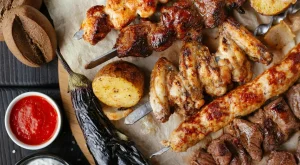
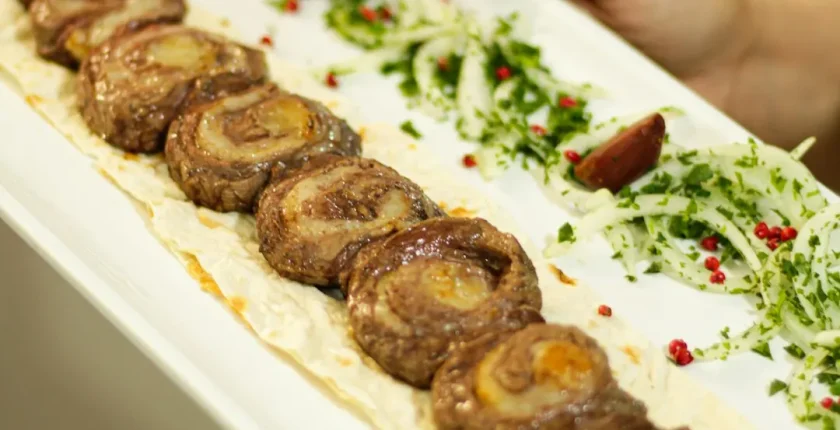
- Kebabs: One of the most recognizable elements of Turkish cuisine, kebabs come in various forms, such as Shish Kebab and Doner Kebab. These dishes trace their roots back to the nomadic tribes of Central Asia, who grilled meat over an open fire.
- Meze: This assortment of small dishes serves as appetizers and reflects the Mediterranean influence on Turkish cuisine. Options like hummus, baba ghanoush, and stuffed grape leaves originate from the rich culinary traditions of the Levant region.
- Baklava: Renowned for its sweet, flaky layers and honey syrup, baklava originated from the Ottoman Empire. The use of nuts and honey reflects the agricultural bounty of Anatolia, making it a staple dessert.
- Pide: Sometimes referred to as Turkish pizza, pide features a variety of toppings on a boat-shaped dough. This dish has roots in the Anatolian region and showcases local ingredients, making it a beloved comfort food.
- Manti: These Turkish dumplings, often filled with spiced meat, share similarities with the Italian ravioli. Manti symbolizes the migration and fusion of culinary ideas across cultures.
Embracing the diversity of Turkish cuisine, these dishes not only delight the palate but also serve as a reflection of Turkey’s rich history and cultural heritage.
Cultural Significance of Food in Turkey
Food plays a central role in Turkish culture, deeply woven into the fabric of social life and tradition. Here are several key aspects that highlight the cultural significance of Turkish Cuisine:
- Gathering and Hospitality: Meals serve as a time for family and friends to gather. Turkish people take pride in their hospitality, often going above and beyond to prepare elaborate feasts for guests.
- Celebration of Rituals: In Turkey, food accompanies many life rituals and celebrations. From weddings to religious gatherings like Ramadan, specific traditional dishes hold cultural symbolism, fostering a sense of belonging.
- Culinary Heritage: The diversity of Turkish Cuisine reflects the nation’s rich history as a crossroads of various civilizations. It blends influences from the Middle East, Central Asia, and the Mediterranean, showcasing stories of migration and cultural exchange.
Comparison of Food Roles in Different Cultures
| Aspect | Turkish Cuisine | Other Cultures |
|---|---|---|
| Family Gatherings | Central to social interactions | Varies by region |
| Festivities | Ritualistic and symbolic | Celebratory but less focused on food |
| Cooking Methods | Emphasis on communal cooking | Often individual preparation |
| Hospitality | Highly valued | Varies widely |
In essence, the culinary traditions embraced in Turkish Cuisine not only serve to tantalize the palate but also act as vital channels for cultural expression, showcasing the warmth and richness of Turkish society.
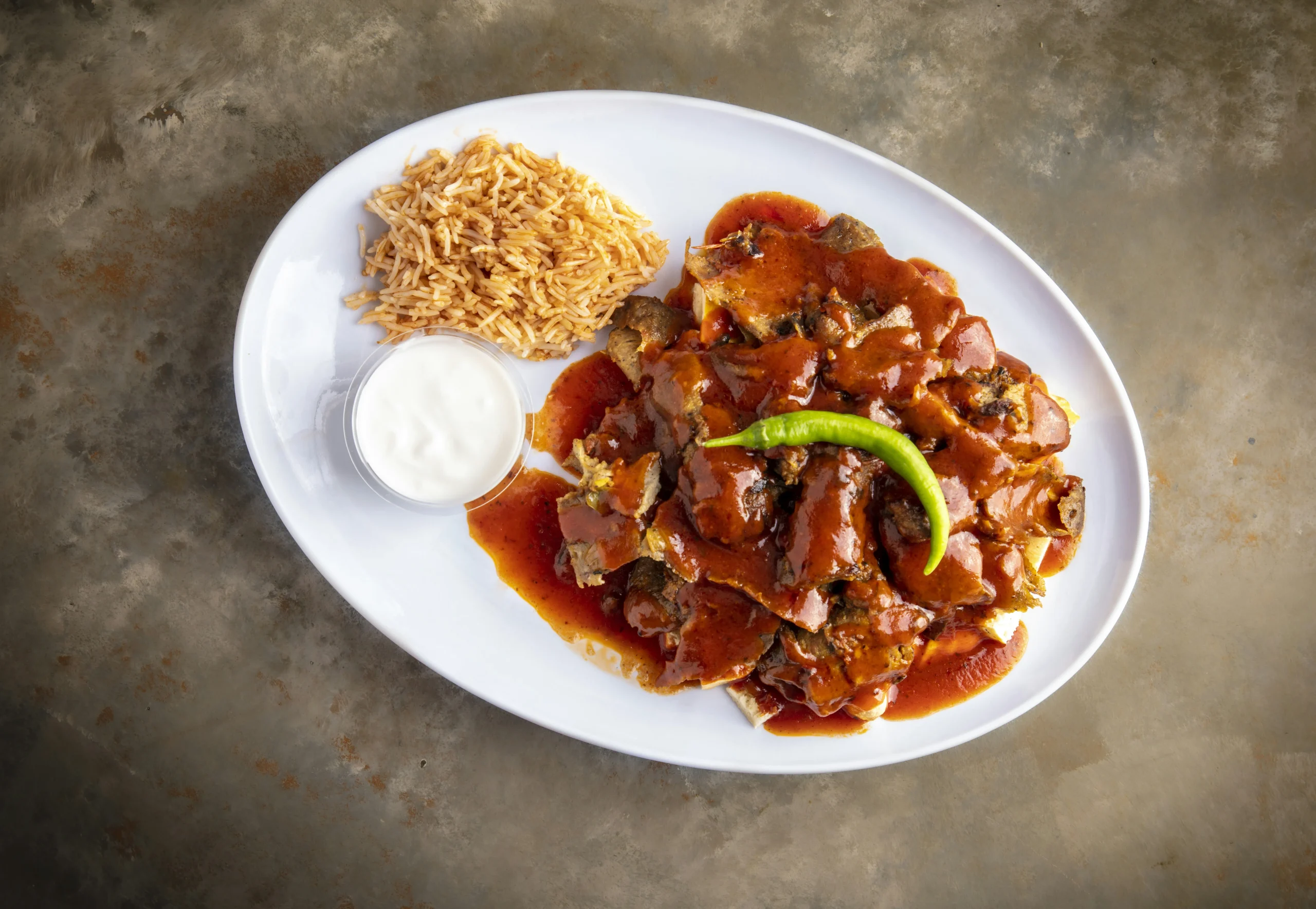
Tips for Enjoying Turkish Cuisine at Home
Bringing the vibrant flavors of Turkish Cuisine into your home can be an exciting culinary adventure. With a few tips, you can easily recreate these delectable dishes. Here’s how to successfully enjoy Turkish Cuisine at home:
- Stock Up on Key Ingredients:
- Spices: Invest in essential spices like sumac, cumin, and paprika. These form the cornerstone of many Turkish recipes.
- Fresh Herbs: Parsley, mint, and dill add freshness to your dishes.
- Grains: Keep a variety of grains, such as bulgur and rice, on hand for salads and side dishes.
- Try Traditional Cooking Techniques:
- Grilling: Use a grill for kebabs to achieve that authentic flavor.
- Slow Cooking: Dishes like köfte (meatballs) and stews benefit from slow cooking, enhancing flavors.
- Explore Simple Recipes:
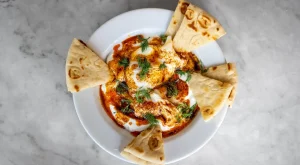
- Start with popular, easy-to-make dishes like Menemen (scrambled eggs with tomatoes and peppers) or Pide (Turkish flatbread). These will build your skills gradually.
- Invite Friends for a Sharing Feast:
- Meze Platters: Serve an assortment of small dishes to mimic the communal dining style prevalent in Turkish culture.
- Incorporate Turkish Drinks:
- Pair your meals with traditional beverages like Ayran (yogurt drink) or Rakı (anise-flavored spirit) for a complete experience.
By following these tips, you can enjoy the rich tapestry of Turkish Cuisine right from your kitchen, turning ordinary meals into extraordinary experiences.
Frequently Asked Questions
What are the key ingredients commonly used in Turkish cuisine?
Turkish cuisine is renowned for its diverse and rich ingredients, which form the foundation for many traditional dishes. Key ingredients include fresh vegetables like tomatoes, eggplant, and peppers; proteins such as lamb, chicken, and beef; and grains like rice and bulgur. Moreover, herbs and spices such as parsley, mint, cumin, and sumac are frequently utilized to enhance flavors. Olive oil plays a crucial role as well, reflecting the Mediterranean influence on Turkish cooking.
What are some classic Turkish dishes that I should try?
When exploring Turkish cuisine, several classic dishes stand out and are must-tries. Begin with ‘kebabs,’ which come in various forms, including shish and döner kebabs, characterized by marinated and grilled meats. Another iconic dish is ‘meze,’ an array of small appetizers that can feature items like hummus, eggplant salad, and stuffed grape leaves. Don’t miss out on ‘manti,’ Turkish dumplings filled with spiced meat, usually served with yogurt and garlic sauce, and finish with ‘baklava,’ a sweet pastry layered with nuts and honey.
How is Turkish food different from other Mediterranean cuisines?
While Turkish cuisine shares some similarities with other Mediterranean cuisines, it is distinct in its use of spices, cooking techniques, and regional diversity. Turkish food often employs a more pronounced use of spices like paprika and cumin, resulting in bold flavors. Furthermore, the country’s geography influences its cuisine, with Central Asian, Middle Eastern, and Mediterranean elements blending together, creating unique dishes like ‘köfte’ (meatballs) and ‘pide’ (a type of flatbread pizza) that differ from those found in neighboring regions.
Are there vegetarian options in Turkish cuisine?
Indeed, Turkish cuisine offers a plethora of vegetarian options that highlight the country’s emphasis on fresh vegetables and legumes. Dishes like ‘imam bayıldı,’ which features eggplant stuffed with tomatoes and onions, and ‘mercimek köftesi,’ made from lentils and bulgur, are popular choices. Additionally, ‘zeytinyağlılar,’ or olive oil dishes, showcase vegetables prepared with olive oil and herbs, making them both healthy and flavorful. Many meze dishes are also vegetarian, ensuring that there is something for everyone.
What is the significance of tea in Turkish culture?
Tea holds a special place in Turkish culture and is an integral part of daily life. Known as ‘çay,’ it is not just a beverage but a symbol of hospitality and community. Traditionally served in small, tulip-shaped glasses, Turkish tea is commonly consumed throughout the day, often accompanied by snacks or sweets. The tea-drinking ritual is a social occasion reflecting friendship and warmth, with tea houses prevalent in Turkish cities, serving as gathering spots for conversation and relaxation.