
Pide: The Delicious Turkish Flatbread You Must Know
Pide, a traditional Turkish flatbread, has a rich history that reflects the cultural tapestry of Turkey. Originating from the Anatolian region, this delightful dish has evolved over centuries, showcasing diverse flavors and ingredients. With various types of pide available, each boasts unique toppings and preparation methods, making it a versatile...


Pide, a traditional Turkish flatbread, has a rich history that reflects the cultural tapestry of Turkey. Originating from the Anatolian region, this delightful dish has evolved over centuries, showcasing diverse flavors and ingredients. With various types of pide available, each boasts unique toppings and preparation methods, making it a versatile staple in Turkish cuisine. Discovering how to make authentic pide at home not only allows you to savor its deliciousness but also connects you to its fascinating heritage. Join us as we explore the world of pide, from its origins to serving suggestions that enhance this delectable flatbread.
- 1. History and Origin of Pide
- 2. Types of Pide and Their Unique Ingredients
- 3. How to Make Authentic Pide at Home
- 3.1. Ingredients
- 3.2. Instructions
- 4. Serving Suggestions and Pairings for Pide
- 4.1. Beverage Pairings:
- 5. Frequently Asked Questions
- 5.1. What is pide and how is it different from other types of Turkish bread?
- 5.2. How is pide traditionally served in Turkey?
- 5.3. Can pide be made at home, and if so, what are the basic ingredients needed?
- 5.4. What are some popular types of pide found in Turkey?
History and Origin of Pide
Pide, often referred to as Turkish flatbread, has a rich history that dates back centuries. Originating in the region of Anatolia, this delightful dish played a significant role in Turkish cuisine. Here’s a brief look into its fascinating history:
- Early Beginnings: Pide traces its roots to the Hittites, one of the earliest civilizations in Anatolia. They created flatbreads that later evolved into the pide we know today.
- Cultural Influence: As the Ottoman Empire expanded, it absorbed various culinary traditions. This influence enriched the pide with diverse ingredients and flavors, making it a beloved staple in many households.
- Regional Variations: Different regions in Turkey have developed their own takes on pide. For example, Kayseri pide features a minced meat filling, while Bursalı pide is known for its cheese topping.
Today, pide symbolizes Turkish hospitality and flavor, representing a cultural heritage that continues to thrive. Enjoying pide is not just a meal; it’s a taste of history on your plate.

Types of Pide and Their Unique Ingredients
Pide is not just one dish; it’s a canvas for a variety of flavors and ingredients. Let’s explore some popular types of Pide and what makes each one unique:
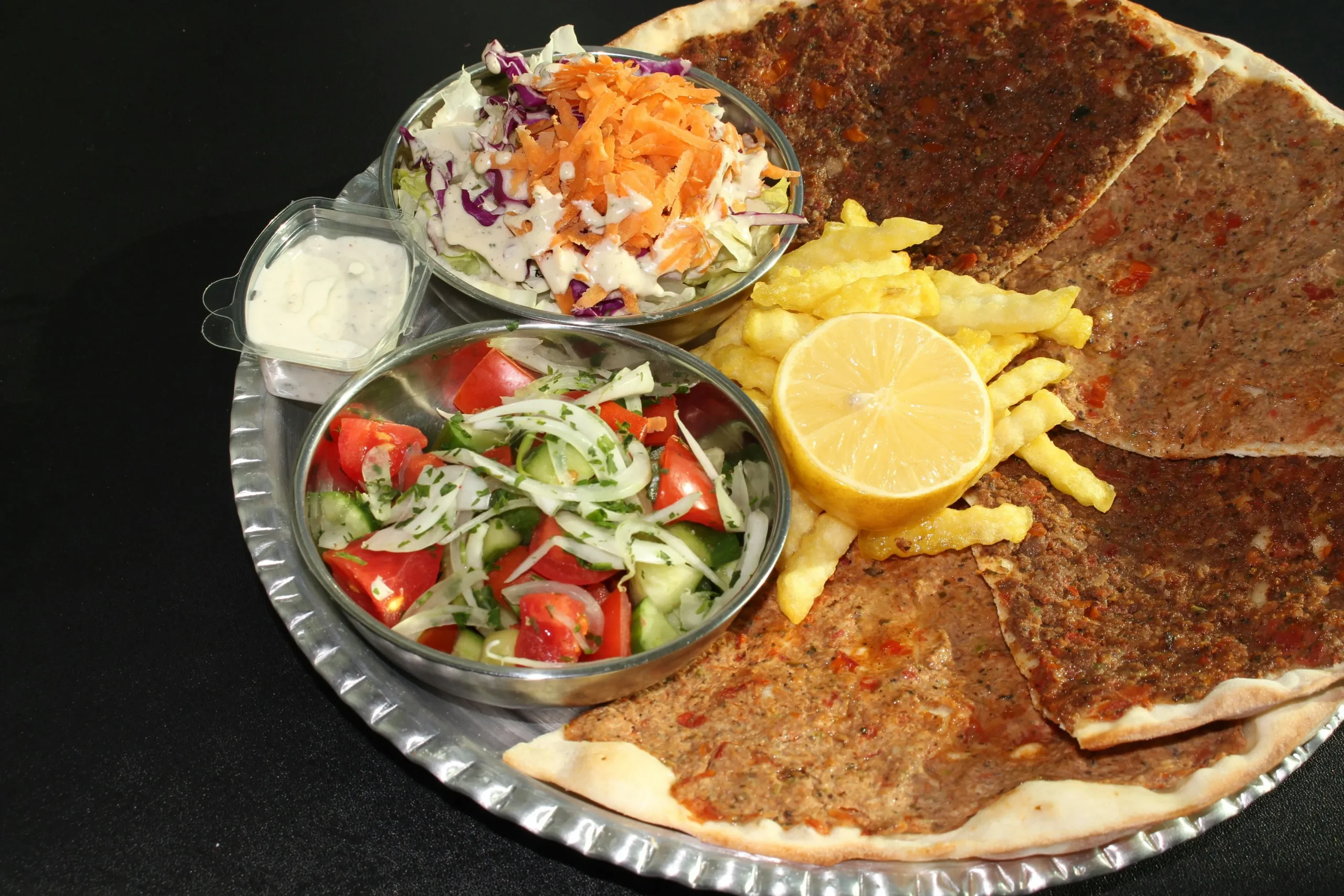
- Kıymalı Pide: This version features minced meat, usually beef or lamb, mixed with onions and spices. The savory filling pairs beautifully with the soft, chewy flatbread.
- Sucuklu Pide: Here, the star ingredient is sucuk, a spicy Turkish sausage. It adds a delightful kick, making this Pide a favorite for spice lovers.
- Peynirli Pide: A cheese lover’s dream, Peynirli Pide is filled with a mix of cheeses such as feta and mozzarella, creating a rich and gooey texture.
- Sebzeli Pide: For a vegetarian option, Sebzeli Pide includes a colorful assortment of vegetables like bell peppers, tomatoes, and spinaches, seasoned to enhance their natural flavors.
- Egg and Menemen Pide: This variant incorporates eggs and a mix of traditional Menemen ingredients—tomatoes, peppers, and spices—resulting in a hearty and satisfying dish.
Each type of Pide offers a distinct taste profile, ensuring there’s something for everyone to enjoy!
How to Make Authentic Pide at Home
Creating authentic Pide at home is an enjoyable culinary adventure. Here’s a simple step-by-step guide to help you craft this delicious Turkish flatbread:
Ingredients
- Dough:
- 4 cups all-purpose flour
- 1 ½ cups warm water
- 1 packet (2 ¼ teaspoons) active dry yeast
- 1 teaspoon sugar
- 1 teaspoon salt
- 2 tablespoons olive oil
- Toppings:
- 1 cup ground meat (lamb or beef)
- 1 onion (finely chopped)
- 1 bell pepper (diced)
- 1 tablespoon tomato paste
- Spices (paprika, cumin, salt, and pepper)
Instructions
- Prepare the Dough: In a bowl, mix warm water, sugar, and yeast. Let it stand for 5 minutes. Gradually add flour, salt, and olive oil. Knead until smooth.
- Let it Rise: Cover the dough and let it rise for about an hour, until it doubles in size.
- Shape the Pide: Roll out the dough into oval shapes and place on a baking sheet.
- Add Toppings: Mix meat, onion, bell pepper, and spices. Spread evenly atop the dough.
- Bake: Preheat the oven to 475°F (245°C) and bake for 15-20 minutes until golden brown.
Serve your homemade Pide warm, and enjoy the delightful flavors straight from Turkey!
Serving Suggestions and Pairings for Pide
When it comes to enjoying Pide, the delightful Turkish flatbread, pairing it with the right accompaniments elevates its flavors. Here are some delicious serving suggestions:
- Dips: Pair your Pide with traditional dips like hummus, tzatziki, or muhammara for an added burst of flavor.
- Salads: A fresh, crisp salad, such as a traditional Turkish Çoban salad (Shepherd’s Salad), complements the richness of Pide perfectly.
- Yogurt: A side of tangy yogurt, perhaps flavored with garlic and herbs, balances the savory notes of the Pide fillings.
- Herbs: Garnish your Pide with fresh herbs like parsley or mint, enhancing both presentation and freshness.
Beverage Pairings:
- Tea: Enjoy Pide with a cup of traditional Turkish tea for a cozy meal.
- Ayran: This refreshing yogurt drink pairs harmoniously with Pide, providing a creamy contrast.
- Wine: A light-bodied red wine can also complement the richness of the flatbread.
Exploring these combinations will definitely enhance your Pide experience, making every bite even more enjoyable!

Frequently Asked Questions
What is pide and how is it different from other types of Turkish bread?
Pide is a traditional Turkish flatbread that stands out due to its unique boat-like shape and variety of toppings. While it has a soft, chewy crust similar to pizza, it often features a more substantial texture. Pide can be filled with various ingredients, including minced meat, cheese, vegetables, and spices, making it a versatile dish compared to other breads such as lavash or simit that are typically less indulgent in toppings.
How is pide traditionally served in Turkey?
In Turkey, pide is typically served as a main dish and often enjoyed with accompaniments like pickles, fresh herbs, and yogurt. It’s common to share pide among family and friends, encouraging a communal dining experience. Pide is often accompanied by drinks such as ayran or Turkish tea, adding to the cultural significance of the meal, where sharing and enjoying each other’s company is emphasized.
Can pide be made at home, and if so, what are the basic ingredients needed?
Yes, pide can be easily made at home using simple ingredients. The basic dough requires flour, water, yeast, sugar, and salt. For the toppings, common options include ground beef or lamb, spices, cheeses, and vegetables. After preparing the dough and letting it rise, it’s shaped into the iconic boat form, filled with chosen toppings, then baked until golden brown. Making pide at home allows for customization according to personal taste preferences.
What are some popular types of pide found in Turkey?
Popular types of pide include ‘kiymali pide,’ which is topped with minced meat and spices; ‘kasar pide,’ featuring melted cheese; and ‘yumurtali pide,’ which includes an egg cracked in the center before baking. Each type has its own distinct flavors and ingredients, allowing for a diverse tasting experience that reflects regional influences and individual chef styles throughout Turkey.