
The Ultimate Comfort Food: Tripe Soup Recipe Unveiled
Tripe soup is the ultimate comfort food, a dish that has warmed hearts and homes across cultures for centuries. This nourishing delicacy, made from the stomach lining of cattle, offers a unique flavor and texture that many cherish. As we unveil a traditional triad of ingredients and cooking techniques, you’ll...


Tripe soup is the ultimate comfort food, a dish that has warmed hearts and homes across cultures for centuries. This nourishing delicacy, made from the stomach lining of cattle, offers a unique flavor and texture that many cherish. As we unveil a traditional triad of ingredients and cooking techniques, you’ll discover how to craft a bowl of tripe soup that’s not only hearty but also packed with nutrition. Whether you are revisiting your family recipe or trying it for the first time, this guide will lead you through each delicious step of the process.
- 1. Introduction to Tripe Soup as Comfort Food
- 1.1. Why Tripe Soup?
- 1.2. Comfort Food Appeal
- 2. Key Ingredients for a Traditional Tripe Soup
- 3. Step-by-Step Preparation Guide
- 3.1. Ingredients Needed:
- 3.2. Steps:
- 3.3. Tips:
- 4. Cooking Techniques for Perfect Tripe
- 4.1. Key Techniques:
- 4.2. Cooking Comparison:
- 5. Variations and Regional Twists on Tripe Soup
- 5.1. Comparison of Regional Variations
- 6. Serving Suggestions and Pairings
- 7. Health Benefits and Nutritional Information
- 7.1. Nutritional Profile of Tripe Soup
- 7.2. Health Benefits
- 8. Frequently Asked Questions
- 8.1. What ingredients do I need to make tripe soup?
- 8.2. How long does it take to cook tripe soup?
- 8.3. Is tripe soup healthy?
- 8.4. Can I freeze tripe soup?
- 8.5. What can I serve with tripe soup?
Introduction to Tripe Soup as Comfort Food
Tripe soup stands out as a beloved comfort food, steeped in history and tradition. This rich, hearty dish combines warmth and nourishment, making it perfect for those chilly nights or when you need a little pick-me-up.
Why Tripe Soup?
- Cultural Significance: Many cultures cherish tripe soup. Its origins trace back centuries, with variations appearing in countries like Mexico, Italy, and China, each on a quest to create the ultimate cozy dish.
- Heartwarming Flavor: The unique texture of tripe, when blended with spices and broth, creates an unforgettable flavor profile. The slow cooking process allows the natural flavors to meld, resulting in a sumptuous dish that evokes memories of home.
Comfort Food Appeal
- Nostalgic Connection: For many, tripe soup conjures memories of family gatherings and celebrations. Sharing a bowl often brings loved ones closer, reigniting those cherished moments.
- Wholesome Ingredients: Generally made with fresh, natural components like vegetables, herbs, and meats, tripe soup offers a satisfying and nourishing experience, comforting both the body and soul.
In summary, triumphed by tradition and flavor, tripe soup is an undeniable staple that defines comfort food, bringing joy and warmth to every table.

Key Ingredients for a Traditional Tripe Soup
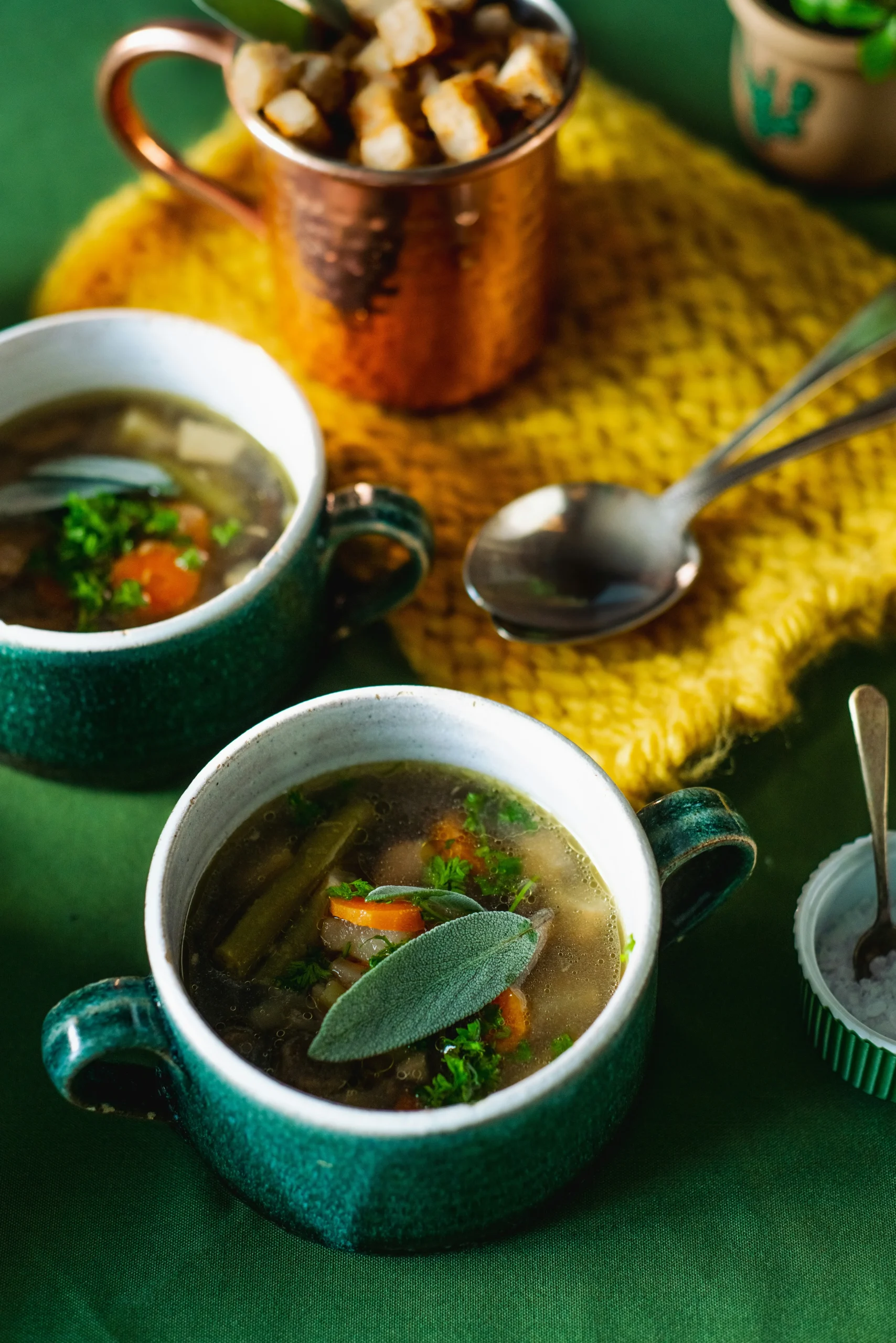
To create a comforting and flavorful Tripe Soup, several essential ingredients come together harmoniously. Here’s a breakdown of the typical components you will need:
- Tripe: The star ingredient, tripe comes primarily from the stomachs of cows, sheep, or pigs. The texture is essential for that classic feel.
- Broth: A rich and flavorful broth (beef or chicken) serves as the foundation. Homemade broth enhances the taste, but store-bought options can work too.
- Vegetables: Common additions include:
- Onions: For sweetness and depth of flavor.
- Carrots: For natural sweetness and color.
- Celery: Adds a refreshing crunch and aroma.
- Herbs and Spices:
- Bay leaves: Impart a subtle earthiness.
- Thyme: Adds a layer of aromatic flavor.
- Salt and pepper: Essential for seasoning.
- Acid: A splash of vinegar or lemon juice brightens the soup, balancing the richness of the tripe.
- Optional Ingredients:
- Potatoes: For a heartier texture.
- Red pepper flakes: For a little heat.
By combining these ingredients, you can make a delicious Tripe Soup that evokes warmth and comfort, offering a taste of tradition with each spoonful. Experiment with these components to customize your recipe, ensuring that your version reflects your unique culinary flair.
Step-by-Step Preparation Guide
Creating a delicious bowl of Tripe Soup requires attention to detail and a bit of patience. Follow these simple steps to prepare this hearty dish.
Ingredients Needed:
- 500g tripe, cleaned and cut into strips
- 1 onion, diced
- 2 cloves garlic, minced
- 2 carrots, sliced
- 2 celery stalks, chopped
- 1 large potato, diced
- 1 liter beef or chicken broth
- 1 bay leaf
- Salt and pepper, to taste
- Fresh herbs (like parsley or thyme), for garnish
Steps:
- Prepare the Tripe:
- Rinse the tripe thoroughly under cold water.
- In a pot, boil the tripe for about 15 minutes, then drain and set aside.
- Sauté Vegetables:
- In a large pot, heat a splash of oil over medium heat.
- Add diced onions and minced garlic; cook until translucent.
- Mix in carrots and celery, cooking until softened.
- Combine Ingredients:
- Add the pre-cooked tripe and diced potatoes to the pot.
- Pour in the broth, toss in the bay leaf, and season with salt and pepper.
- Simmer the Soup:
- Bring to a boil, then lower the heat to a simmer.
- Cover and let it cook for 1 to 2 hours, stirring occasionally, until the tripe is tender.
- Serve:
- Remove the bay leaf.
- Ladle into bowls, garnishing with fresh herbs.
Tips:
- Adjust seasoning at the end for optimal flavor.
- Pair with crusty bread or a side salad for a complete meal.
Enjoy your warm, comforting bowl of Tripe Soup!
Cooking Techniques for Perfect Tripe
To create the ultimate Tripe Soup, mastering the cooking techniques for tripe is essential. By following these methods, you can enhance the flavor and texture of your dish, ensuring a comforting experience for everyone.
Key Techniques:
- Cleaning:
- Rinse the tripe thoroughly under cold water.
- Use a mixture of vinegar and lemon juice to remove any unwanted smell and impurities.
- Blanching:
- Place cleaned tripe in boiling water for 5-10 minutes.
- This process helps to firm up the tripe and reduces any strong odors.
- Slow Cooking:
- Slow Cooker Method: Add tripe, broth, and seasonings. Cook on low for 6-8 hours.
- Stovetop Method: Simmer in a covered pot for 2-3 hours on low heat, allowing the flavors to meld beautifully.
- Flavor Infusion:
- Add aromatics like garlic, onion, bay leaves, or herbs during cooking to deepen the flavor profile of your Tripe Soup.
- Final Textural Touch:
- Cook until the tripe is tender but not mushy. Aim for a chewy texture that complements the soup.
Cooking Comparison:
| Technique | Benefits | Recommended Duration |
|---|---|---|
| Blanching | Cleans and firms tripe | 5-10 minutes |
| Slow Cooking | Deepens flavors | 2-3 hours or 6-8 hours |
| Stovetop | Quick access | 2-3 hours |
By applying these techniques, you can create a rich and satisfying Tripe Soup that will delight and comfort any palate.
Variations and Regional Twists on Tripe Soup
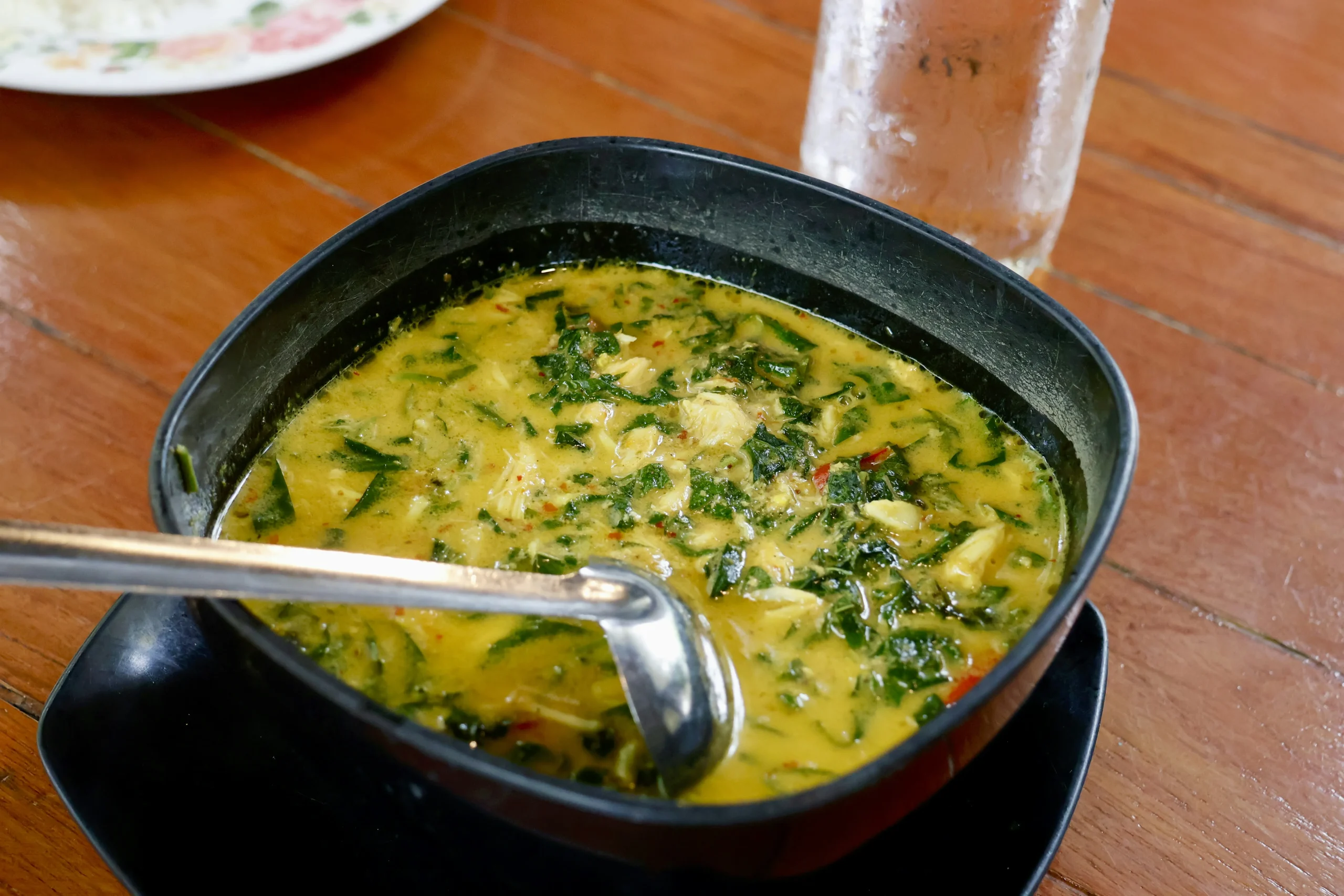
Tripe soup, a beloved dish across many cultures, showcases diverse flavors and ingredients, making it a delightful exploration for your taste buds. Each regional variation offers a unique twist, showcasing local ingredients and culinary traditions. Here are some notable adaptations:
- Italian-style Tripe Soup (Trippa alla Romana): Known for its robust tomato base, this version often includes herbs like oregano and a hint of parmesan, elevating the rich flavors of the tripe.
- Mexican Menudo: This spicy rendition features hominy, lime, and an array of spices, providing a celebratory and zesty experience. It’s typically served at family gatherings and special occasions.
- French Tripe Soup (Soupe de Tripes): This classic preparation emphasizes delicate flavors with the addition of white wine, leeks, and root vegetables, resulting in a comforting, fragrant dish.
- Eastern European Variants: Various Eastern European countries add their spin, often including smoked meats or sausage, which enhances the richness of theTripe Soup.
Comparison of Regional Variations
| Region | Base Flavor | Key Ingredients | Serving Style |
|---|---|---|---|
| Italy | Tomato-based | Oregano, Parmesan | Bowl with crusty bread |
| Mexico | Spicy and Zesty | Hominy, Lime, Cilantro | Served with tortillas |
| France | White Wine | Leeks, Root Vegetables | Accompanied by fresh herbs |
| Eastern Europe | Smoked Flavors | Sausage, Paprika | Often with rye bread |
Experimenting with these variations allows you to discover how versatile Tripe Soup can be, adapting it to your personal taste preferences and regional influences.
Serving Suggestions and Pairings
When it comes to enjoying Tripe Soup, the right serving suggestions and pairings can elevate this dish from comfort food to a culinary experience. Here are some delectable ideas to enhance your meal:
- Bread Options: Serve Tripe Soup with crusty baguettes, garlic bread, or buttery rolls. The bread acts as a perfect vessel for soaking up the rich, flavorful broth.
- Herb Garnishes: Fresh herbs such as parsley, cilantro, or green onions can add a burst of freshness. Simply sprinkle them on top just before serving to enhance flavor and presentation.
- Accompaniments:
- Chili Sauce: A drizzle of chili oil or hot sauce adds a delightful kick for those who enjoy heat.
- Lemon Wedges: Offering lemon slices allows diners to brighten the soup’s rich flavors with a splash of acidity.
- Side Dishes: Traditional side dishes that pair well include:
- Coleslaw: The crunchy texture contrasts with the soup’s smoothness.
- Pickled Vegetables: These offer a tangy flavor that complements the savory notes of Tripe Soup.
- Wine Pairings: A light white wine, such as Sauvignon Blanc, contrasts the hearty flavors beautifully.
These serving suggestions and pairings not only enhance the dish but also invite a communal dining experience where everyone can enjoy and customize their bowl of Tripe Soup!
Health Benefits and Nutritional Information
Tripe Soup not only satisfies your taste buds but also offers several health benefits. As a unique ingredient derived from the stomach lining of cows, tripe is rich in essential nutrients. Here’s a closer look at its health advantages:
Nutritional Profile of Tripe Soup
- Protein: Tripe provides a good source of protein, which is vital for muscle repair and growth.
- Vitamins: It contains B vitamins, particularly B12, which supports energy metabolism and brain health.
- Minerals: Tripe is rich in minerals like zinc, selenium, and iron, contributing to immune function and red blood cell production.
- Low in Calories: Compared to other meats, tripe is relatively low in calories, making it a great option for those managing their weight.
Health Benefits
- Digestive Health: The gelatin in tripe supports gut health by aiding digestion and reducing inflammation.
- Collagen Content: The high collagen content may benefit skin health and joint support.
- Immune Support: The combination of nutrients found in Tripe Soup enhances your body’s defenses, promoting overall well-being.
In comparison to more common soups, such as chicken or vegetable, Tripe Soup stands out for its unique nutritional benefits while offering a comforting and hearty meal. So next time you enjoy a bowl of Tripe Soup, not only relish the flavors but also appreciate its nourishing qualities!

Frequently Asked Questions
What ingredients do I need to make tripe soup?
To make tripe soup, you will need fresh tripe, which is the stomach lining of a cow, and a variety of other ingredients such as beef or chicken broth, onions, garlic, carrots, celery, and potatoes. Spices like black pepper, bay leaves, and parsley add flavor, and optional ingredients may include tomatoes or beans for added texture. Additionally, some recipes suggest using vinegar to help tenderize the tripe during cooking.
How long does it take to cook tripe soup?
Cooking tripe soup can vary depending on the method used. Typically, if you’re boiling the tripe, it can take around 2 to 3 hours to become tender. Slow cooking in a crockpot might take up to 8 hours on low heat. It’s essential to check periodically for tenderness because undercooked tripe can be chewy. The overall cooking time will also depend on the other ingredients you include, as they will also need adequate time to cook through.
Is tripe soup healthy?
Tripe soup can be a nutritious addition to your diet. Tripe is low in calories and rich in protein, which is beneficial for muscle health and repair. Additionally, it contains essential nutrients like vitamin B12, zinc, and selenium. However, the healthiness of the soup also depends on the ingredients used – for example, adding a lot of fatty meats or high-calorie ingredients can increase its calorie count. Opting for leaner meats and adding plenty of vegetables can enhance its health benefits.
Can I freeze tripe soup?
Yes, tripe soup can be frozen, which is a great way to preserve leftovers for future meals. To freeze, allow the soup to cool completely before transferring it to an airtight container or freezer-safe bag. It’s advisable to portion the soup into serving sizes for convenience. When ready to eat, simply thaw in the refrigerator overnight and reheat on the stove or in the microwave until hot. However, note that the texture of tripe may change slightly after freezing and thawing.
What can I serve with tripe soup?
Tripe soup is a hearty dish that pairs well with various accompaniments. Traditional options include crusty bread or rolls, which can be used to soak up the flavorful broth. You might also consider serving it alongside a fresh salad or some pickled vegetables to balance the richness of the soup. For an additional touch, a sprinkle of fresh herbs, such as parsley or cilantro, can brighten up the dish, making it an even more enjoyable meal experience.