
Exploring Tarhana Soup: A Traditional Turkish Comfort Recipe
Tarhana Soup is a beloved traditional Turkish dish that holds a special place in the hearts and kitchens of many. This comforting recipe, rich in history and flavor, combines fermented yogurt, grains, and vegetables, creating a nourishing bowl that is both hearty and healthy. Originating from the rural kitchens of...

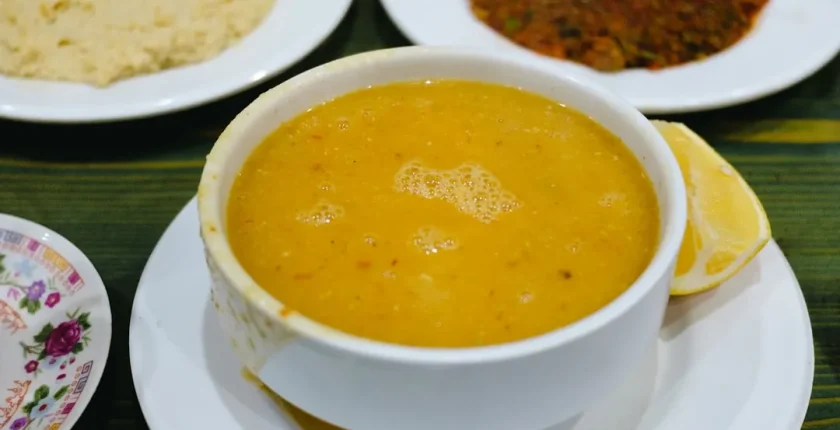
Tarhana Soup is a beloved traditional Turkish dish that holds a special place in the hearts and kitchens of many. This comforting recipe, rich in history and flavor, combines fermented yogurt, grains, and vegetables, creating a nourishing bowl that is both hearty and healthy. Originating from the rural kitchens of Turkey, Tarhana Soup not only fills the stomach but also embodies the essence of Turkish hospitality and culinary tradition. As we delve into this delectable soup, we’ll uncover its ingredients, preparation methods, and the delightful variations that make it a staple in many households.
- 1. History of Tarhana Soup
- 2. Ingredients for Tarhana Soup
- 2.1. Optional Add-Ins
- 3. The Preparation Process
- 3.1. Ingredients Needed:
- 3.2. Step-by-Step Preparation:
- 3.3. Final Touches:
- 4. Traditional Serving Suggestions
- 5. Health Benefits of Tarhana Soup
- 6. Variations and Regional Differences
- 7. Tips for Making Perfect Tarhana Soup
- 8. Frequently Asked Questions
- 8.1. What is Tarhana soup and what are its key ingredients?
- 8.2. How is Tarhana soup traditionally served?
- 8.3. Can Tarhana soup be made vegetarian or vegan?
- 8.4. How long does Tarhana soup last and how should it be stored?
- 8.5. What are some variations of Tarhana soup?
History of Tarhana Soup
Tarhana Soup boasts a rich and fascinating history, rooted deeply in Turkish culinary tradition. It originates from the early agricultural practices of Anatolia, where the need to preserve ingredients for long winters led to the development of this unique dish.
Here are some historical highlights:

- Ancient Origins: Tarhana’s history dates back to the Byzantine era, where similar fermented grain mixtures were created as a means of sustenance.
- Culinary Evolution: As time progressed, various Turkish regions adapted and modified the recipe, incorporating local ingredients and techniques. This evolution made Tarhana Soup a staple across many households.
- Preservation Method: The fermentation process involved in making Tarhana not only extended the shelf life of ingredients but also enhanced flavors and nutritional benefits, a practice still cherished today.
Interestingly, Tarhana Soup symbolizes comfort, often preparing it for sick family members or during colder seasons. Over generations, families have passed down their variations of Tarhana, each with its own unique twist.
Inspired by its historical significance and nutritional value, Tarhana Soup continues to be a beloved offering on Turkish tables. By exploring this dish, one can appreciate not just its flavor, but its cultural heritage that showcases the importance of food in community bonding and tradition.
Ingredients for Tarhana Soup
Creating a flavorful Tarhana Soup starts with fresh, quality ingredients. This traditional Turkish dish boasts a unique blend of components that provide rich flavors and nutritional value. Here’s a detailed list of the essential ingredients:
- Tarhana: The base ingredient, a fermented mixture of yogurt, flour, and vegetables. It comes in a dried form and is rehydrated during cooking.
- Water or Broth: Water or chicken/vegetable broth serves as the liquid for the soup, enriching its taste.
- Onion: Finely chopped onions contribute sweetness and depth. Typically, one medium onion suffices.
- Tomatoes: Fresh or canned tomatoes add a tangy flavor, with about one medium-sized tomato needed for a balanced taste.
- Bell Peppers: Use one chopped bell pepper for added sweetness and color.
- Garlic: Minced garlic enhances the soup’s aroma. Generally, 1-2 cloves are ideal.
- Spices: Common spices include salt, black pepper, and optionally, red pepper flakes or paprika for heat.
- Herbs: Fresh parsley or mint can provide a bright finish and freshness at the end of cooking.
Optional Add-Ins
- Chickpeas or Lentils: For added protein and texture, consider adding these legumes.
- Vegetables: Carrots, zucchini, or spinach can be incorporated for a more nutritious soup.
By using these ingredients, you’ll create a comforting Tarhana Soup that embodies the essence of Turkish cuisine. Enjoy experimenting with variations while maintaining the core elements of this beloved dish!
The Preparation Process
Creating a delicious Tarhana Soup involves a straightforward yet rewarding process. Here’s how you can prepare this traditional Turkish delight:
Ingredients Needed:
- Tarhana (dry fermented mixture)
- Water or broth (vegetable or chicken)
- Onion (finely chopped)
- Olive oil or butter
- Seasonings (salt, pepper, red pepper flakes)
Step-by-Step Preparation:
- Sauté the Onions:
- In a large pot, heat 2 tablespoons of olive oil or butter.
- Add the finely chopped onions and sauté until they become soft and translucent.
- Add Tarhana:
- Gradually stir in 1 cup of Tarhana Soup mixture.
- Cook for about 2 minutes, allowing the Tarhana to absorb the flavors.
- Incorporate Liquid:
- Pour in 4 cups of water or broth, mixing well to break up any clumps of Tarhana.
- Bring the mixture to a gentle boil.
- Simmer:
- Reduce the heat, cover, and let it simmer for 15-20 minutes. Stir occasionally to prevent sticking.
- The soup should thicken to a creamy consistency.
- Season:
- Add salt, pepper, and red pepper flakes to taste.
- Stir well before serving.
Final Touches:
Serve your Tarhana Soup hot, optionally garnishing with fresh herbs or a drizzle of olive oil. Enjoy this comforting meal that warms both body and soul!
Traditional Serving Suggestions
When it comes to enjoying Tarhana Soup, serving it in a traditional manner enhances the overall experience. Here are some classic ways to serve this comforting dish:
- Accompaniments: Serve Tarhana Soup with a side of crusty bread or fresh lavash to soak up the delicious broth. The combination provides a satisfying texture and taste contrast.
- Garnishes: Enhance the flavor by adding garnishes such as:
- Fresh Parsley: Chopped parsley adds a burst of freshness.
- Lemon Wedges: A squeeze of lemon juice brightens the soup.
- Chili Flakes: For those who enjoy some heat, a sprinkle of chili flakes can elevate the soup’s flavor profile.
- Serving Temperature: Traditional Tarhana Soup is best served hot. Ensure the soup simmers to an ideal serving temperature, allowing the flavors to meld beautifully.
- Bowls: Use traditional Turkish ceramic bowls for an authentic touch. The beautiful patterns of these bowls complement the bright colors of the soup.
- Pairing Beverages: Consider pairing with a glass of ayran (yogurt-based drink) or Turkish tea to complement the warmth of Tarhana Soup.
By adhering to these traditional serving suggestions, you can enjoy the full richness of Tarhana Soup, making every spoonful a delightful experience.
Health Benefits of Tarhana Soup
Tarhana Soup is not only a delicious traditional dish but also packed with health benefits. This unique blend of fermented yogurt, flour, and various vegetables contributes significantly to your well-being. Here’s a closer look at its nutritional advantages:
- Rich in Probiotics: The fermentation process in Tarhana Soup enhances gut health by introducing beneficial bacteria. This can aid digestion and boost the immune system.
- High in Nutrients: Made from vegetables and yogurt, Tarhana Soup is loaded with vitamins and minerals. Key nutrients include:
- Vitamin A: Supports vision and immune function.
- B Vitamins: Aid energy metabolism and reduce fatigue.
- Hydration: Being a soup, it helps keep you hydrated, which is crucial for overall health, especially during cold weather.
- Comforting and Satiating: The hearty nature of Tarhana Soup makes it comforting. It can curb hunger, aiding in weight management.
- Antioxidant Properties: Ingredients like tomatoes and peppers provide antioxidants, which fight free radicals and may reduce the risk of chronic diseases.
Incorporating Tarhana Soup into your diet not only offers a taste ofTurkey’s culinary heritage but also serves as a nutritious option to enhance your overall health. Enjoy this traditional dish seamlessly while reaping its many benefits!
Variations and Regional Differences
Tarhana Soup boasts numerous variations across Turkey, with each region imparting its unique twist to this beloved comfort dish. Here’s how regional influences shape this delightful soup:
- Central Anatolia: In this region, Tarhana Soup often includes a blend of yogurt and spices, creating a tangy and rich flavor that many locals cherish. The use of roasted red peppers adds a smoky touch as well.
- Eastern Turkey: This variation incorporates lentils, providing added protein and a heartier texture. Additionally, some eastern provinces add a dash of chili powder, elevating the spiciness, which contrasts beautifully with the soup’s creamy base.
- Mediterranean Region: Here, the soup frequently contains fresh herbs like parsley and mint, resulting in a refreshing taste. Some coastal areas also add a hint of seafood for a unique flavor profile.
- Black Sea Region: This version is known for its thicker consistency. Locals might include vegetables such as potatoes and carrots, making it a nutritious and filling option for winter months.
| Region | Key Ingredients | Unique Flavor Profile |
|---|---|---|
| Central Anatolia | Yogurt, roasted peppers | Tangy and smoky |
| Eastern Turkey | Lentils, chili powder | Hearty and spicy |
| Mediterranean | Fresh herbs, seafood | Refreshing and unique |
| Black Sea | Potatoes, carrots | Thick and nutritious |
Regardless of variations, Tarhana Soup remains a cherished dish across Turkey, embodying the warmth and comfort that traditional recipes offer.
Tips for Making Perfect Tarhana Soup
Creating a delicious bowl of Tarhana Soup requires a blend of skills and attention. Here are some essential tips to elevate your soup game:
- Quality Ingredients: Use high-quality dried tarhana mix. You can find traditional or homemade versions in Turkish markets. The fresher, the better!
- Soaking: Soak the tarhana overnight in water or broth. This enhances its flavor and ensures a smoother texture.
- Temperature Control: When cooking, maintain a medium heat to prevent the soup from boiling too rapidly. This allows the flavors to meld perfectly without scorching.
- Seasoning Wisely: Adjust spices and seasonings gradually. Start with basic salt and pepper. Tasting frequently allows you to achieve the desired flavor profile.
- Consistency Matters: For a creamier consistency, consider blending a portion of the soup before serving. This creates a nice balance between chunky and smooth.
- Garnish for Taste: Enhance your Tarhana Soup with garnishes like fresh herbs (parsley or cilantro) or a drizzle of olive oil for added richness.
- Serving Suggestions: Pair your soup with crusty bread or a side salad to round out the meal.
By following these tips, you’ll make a Tarhana Soup that comforts and delights, capturing the essence of this traditional Turkish dish. Enjoy your cooking journey!
Frequently Asked Questions
What is Tarhana soup and what are its key ingredients?
Tarhana soup is a traditional Turkish dish that is known for its rich flavor and nourishing qualities. It is made using a fermented mixture of dried yogurt, flour, and vegetables, such as tomatoes, peppers, and onions, which are first fermented and then dehydrated to create tarhana. When preparing the soup, this dried tarhana is rehydrated with water or broth, resulting in a hearty and wholesome dish that is often served with a drizzle of olive oil and a sprinkle of herbs. Its distinctive tangy flavor comes from the fermentation process, making it a beloved comfort food in Turkish cuisine.
How is Tarhana soup traditionally served?
Tarhana soup is typically served hot, making it a perfect dish for cold weather or when you need a comforting meal. It’s customary to pour the soup into bowls and drizzle a little olive oil on top for added richness. Some people like to garnish it with fresh herbs such as parsley or mint to enhance its flavor and presentation. Additionally, serving it alongside crusty bread or a side salad can make for a complete and satisfying meal, suitable for both everyday dining and special occasions.
Can Tarhana soup be made vegetarian or vegan?
Yes, Tarhana soup can easily be adapted to suit vegetarian or vegan diets. The base of the soup, which consists of dried tarhana, is typically plant-based, but you will want to ensure that the broth used is either vegetable broth or homemade stock free from animal products. Besides that, the soup can be flavored by adding various vegetables depending on personal preference or seasonal availability. For a complete vegan option, simply avoid adding any animal-derived toppings like yogurt or meat, allowing the natural flavors of the vegetables and spices to shine through.
How long does Tarhana soup last and how should it be stored?
Tarhana soup can be stored in an airtight container in the refrigerator for up to three days after cooking. To reheat, simply warm it on the stove over low heat, adding a bit of water or broth if necessary to achieve the desired consistency. If you want to keep the soup longer, consider freezing it. It can be frozen for up to three months, though it’s best to freeze it in portions to make reheating easier. Just ensure that you store it in freezer-safe containers to prevent freezer burn.
What are some variations of Tarhana soup?
Tarhana soup has various regional variations throughout Turkey, each with distinct ingredients and flavors. For instance, some regions might add lentils or chickpeas for additional protein, while others might include spices like cumin or paprika for more heat. Additionally, local vegetables such as spinach or carrots may be added to introduce different textures and tastes. Furthermore, some variations might balance the tanginess of the tarhana by including a touch of sweetness from a hint of sugar or carrots, showcasing the versatility of this traditional dish.