Secrets of the Turkish Kitchen: Traditional Recipes Revealed
The Turkish Kitchen is a vibrant tapestry woven from diverse historical influences, essential ingredients, and time-honored cooking techniques. This rich culinary tradition offers a delightful array of classic dishes that showcase the unique flavors of Turkey. From aromatic spices to fresh herbs, each recipe tells a story, reflecting the country’s...


The Turkish Kitchen is a vibrant tapestry woven from diverse historical influences, essential ingredients, and time-honored cooking techniques. This rich culinary tradition offers a delightful array of classic dishes that showcase the unique flavors of Turkey. From aromatic spices to fresh herbs, each recipe tells a story, reflecting the country’s culture and history. As we dive into the secrets of the Turkish Kitchen, you’ll discover traditional recipes that have stood the test of time, as well as modern twists that keep these beloved flavors alive.
- 1. Historical Influences on Turkish Cuisine
- 2. Essential Ingredients in Traditional Turkish Recipes
- 3. Classic Dishes You Must Try
- 3.1. 1. Kebab
- 3.2. 2. Meze
- 3.3. 3. Manti
- 3.4. 4. Pide
- 3.5. 5. Baklava
- 4. Cooking Techniques Unique to the Turkish Kitchen
- 5. Modern Twists on Traditional Recipes
- 5.1. Benefits of Modern Twists:
- 6. Frequently Asked Questions
- 6.1. What are some traditional Turkish dishes that are essential in the Turkish kitchen?
- 6.2. What spices and ingredients are commonly used in Turkish cooking?
- 6.3. What is the significance of bread in Turkish culture?
- 6.4. Are traditional Turkish recipes easy to replicate at home?
- 6.5. How does Turkish cuisine differ from other Mediterranean cuisines?
Historical Influences on Turkish Cuisine
The rich tapestry of the Turkish Kitchen is woven from a diverse array of historical influences. Throughout centuries, several civilizations left their mark, creating a unique culinary heritage that captivates food enthusiasts. Here are some key influences:
- Ottoman Empire: Spanning three continents, the Ottoman Empire enriched the Turkish Kitchen with spices, techniques, and ingredients from Europe, the Middle East, and North Africa. Dishes like kebabs and dolmas showcase this blend of flavors.
- Silk Road: As a central hub of trade, the Silk Road introduced exotic spices such as saffron, sumac, and cumin into Turkish dishes. These spices became integral to traditional recipes, enhancing flavors and aromas.
- Byzantine and Greek Influences: The remnants of Byzantine and Greek occupations are evident in classic meze platters and desserts like baklava. These societies emphasized fresh vegetables, seafood, and olives, staples still prevalent in the Turkish Kitchen today.
- Nomadic Tribes: The diets of ancient nomadic Turkish tribes contributed simplicity and improvisation to cooking methods. Ingredients were often preserved through drying or fermenting, techniques still used in contemporary Turkish meals.
Understanding these influences not only enhances appreciation for the Turkish Kitchen but also connects us to the stories and travels of past cultures, enriching each dish with history and tradition.

Essential Ingredients in Traditional Turkish Recipes
The Turkish Kitchen boasts a rich tapestry of flavors, colors, and textures, primarily due to its diverse ingredients. When it comes to traditional Turkish recipes, several key components define its unique profile. Here’s a breakdown of essential ingredients that stand out:
- Olive Oil: Used generously, olive oil is the cornerstone of many dishes, adding depth and flavor.
- Yogurt: A crucial ingredient in Turkish cuisine, yogurt enhances dishes like kebabs and is often served as a refreshing side.
- Lentils: Found in soups and salads, lentils provide protein and a hearty texture.
- Tomatoes: Fresh or canned, tomatoes are integral in sauces, stews, and salads. They bring acidity and sweetness.
- Spices: The Turkish Kitchen relies on spices like:
- Cumin: Adds warmth.
- Mint: Provides a refreshing note.
- Paprika: Offers color and mild heat.
- Grains: Bulgur rice, and durum wheat play a significant role, forming the base of many meals.
- Nuts: Walnuts and pistachios are commonly sprinkled over dishes or incorporated into desserts, adding crunch and richness.
- Fruits and Vegetables: Seasonal vegetables like eggplant, peppers, and zucchinis complement the core of traditional dishes.
Understanding these ingredients is essential for anyone eager to explore or recreate the authentic flavors of the Turkish Kitchen. These elements work in harmony, creating multifaceted dishes that highlight the artistry of Turkish culinary traditions.
Classic Dishes You Must Try
The Turkish Kitchen boasts a plethora of classic dishes that highlight its rich flavors and culinary traditions. Each dish tells a story, offering a fusion of cultural influences and regional ingredients. Here are some must-try classics:
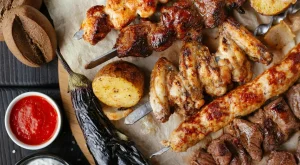
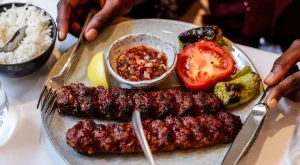
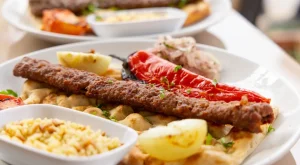
1. Kebab
- Types: Adana, Şiş, and Döner
- Description: Grilled meat, typically lamb or beef, seasoned with spices. Each type has its unique marinade and cooking method.
2. Meze
- Varieties: Hummus, Babaganoush, and Dolma
- Description: A selection of appetizers served cold or warm. Meze often includes vegetable dishes, cheeses, and dips, which set the stage for a hearty meal.
3. Manti
- Key Ingredients: Ground meat, yogurt, and spices
- Description: Turkish dumplings filled with spiced meat, served with garlic yogurt and melted butter. Manti showcases the artistry within the Turkish Kitchen.
4. Pide
- Characteristics: Boat-shaped flatbread topped with various ingredients
- Description: Often called Turkish pizza, Pide can feature meats, vegetables, and cheese, baked to perfection for a delightful taste experience.
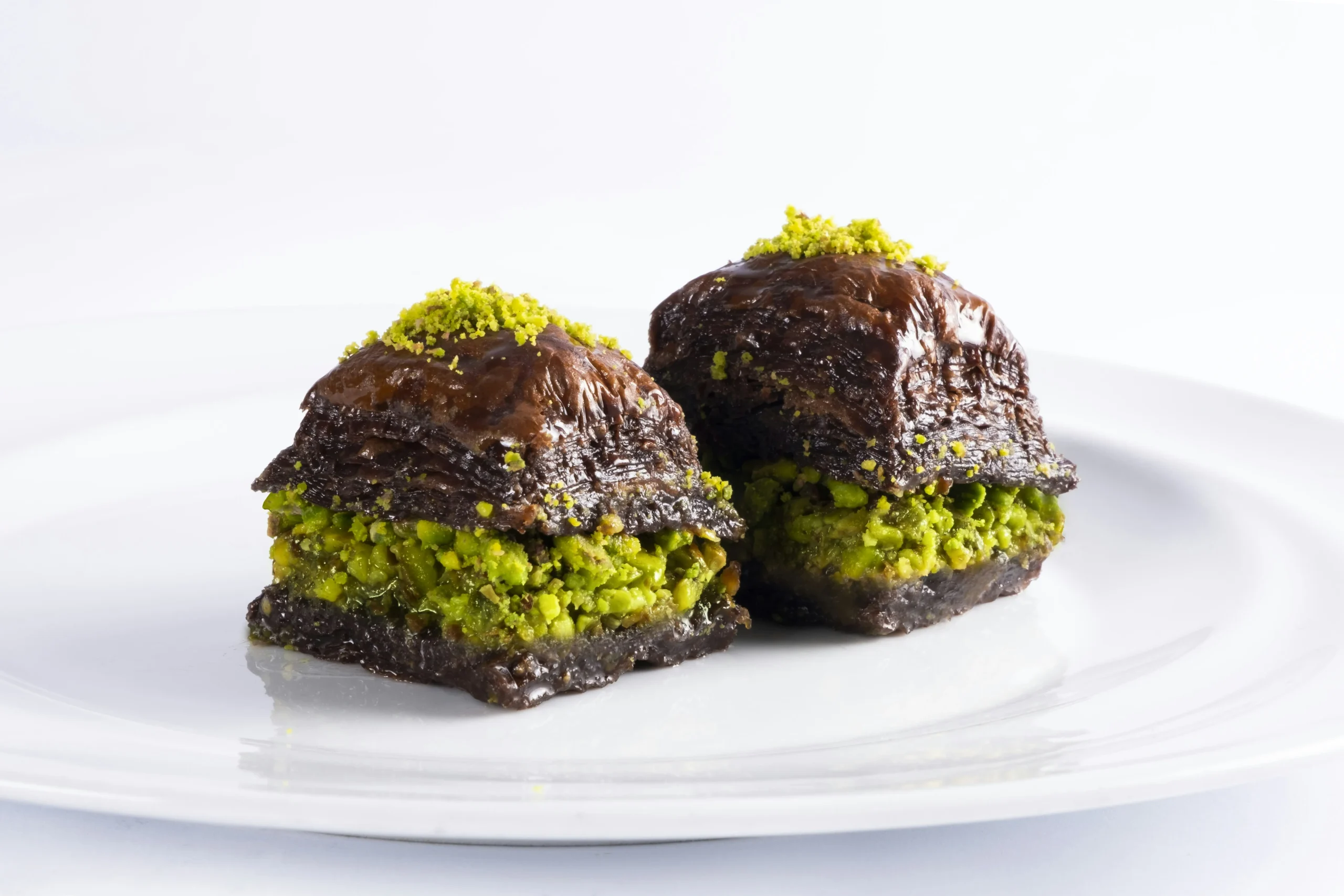
5. Baklava
- Components: Phyllo dough, nuts, and honey syrup
- Description: This famous dessert combines layers of pastry with ground nuts, creating a sweet delicacy that’s synonymous with the Turkish Kitchen.
Embark on a culinary journey through the Turkish Kitchen by savoring these classic dishes, each offering a unique and vibrant taste of Turkish culture.
Cooking Techniques Unique to the Turkish Kitchen
The Turkish Kitchen is renowned for its rich flavors and diverse textures, largely due to its unique cooking techniques. These methods, honed over centuries, reflect the cultural and historical influences on the cuisine. Here are some standout techniques that define traditional Turkish cooking:
- Slow Cooking: Many classic dishes, like kebabs and stews, utilize slow cooking methods to enrich flavors. This technique allows spices to infuse the meat and vegetables thoroughly.
- Grilling on Skewers: The art of grilling, especially meats like şiş kebab, highlights the Turkish approach to outdoor cooking. Charcoal grilling adds a smoky flavor that is quintessentially Turkish.
- Dolma and Sarma Preparation: Turkish cooks expertly wrap vine leaves and vegetables around rice and spices, showcasing their meticulous technique. This method emphasizes the balance of flavors and presentation.
- Baking in Clay Pots: Using traditional clay pots, or tandır, to bake dishes results in tender meats and aromatic rice. This technique retains moisture while enhancing the natural flavors of the ingredients.
- Sautéing: Quick sautéing, often used as a base for various dishes, brings out the sweetness in onions and garlic, building an aromatic foundation for many recipes in the Turkish Kitchen.
In summary, the cooking techniques unique to the Turkish Kitchen not only create delicious meals but also preserve the cultural heritage of Turkey. Each method contributes to the overall experience of diving into this vibrant culinary world.

Modern Twists on Traditional Recipes
The Turkish Kitchen has a rich history steeped in tradition, yet it continues to evolve with modern culinary trends. Chefs today are creatively blending classic recipes with contemporary techniques and flavors, offering delicious innovations. Here are some notable modern twists that accentuate the essence of the Turkish Kitchen:
- Cauliflower “Kebabs”: Instead of traditional meat kebabs, chefs use cauliflower for a vegetarian option, marinating the florets in spices and grilling for a smoky flavor.
- Zucchini “Börek”: Instead of the usual dough, innovative cooks use thinly sliced zucchini to create a gluten-free version of börek, filled with feta cheese and herbs.
- Pistachio Pesto: A twist on the traditional pesto, this variation incorporates Turkish pistachios, blending them with basil, garlic, and olive oil for a unique spread or pasta sauce.
- Baklava Cheesecake: Combining two beloved desserts, this cheesecake layers the classic flavors of baklava—honey, nuts, and phyllo dough—for a delightful fusion dessert.
Benefits of Modern Twists:
- Healthier Options: Many modern twists use fresh vegetables and alternative ingredients, making dishes lighter and more nutritious.
- Cultural Fusion: These recipes highlight the adaptability of the Turkish Kitchen, allowing for the incorporation of global ingredients and techniques.
Embracing modern twists while respecting traditional roots breathes new life into the Turkish Kitchen, ensuring its culinary legacy continues to thrive.
Frequently Asked Questions
What are some traditional Turkish dishes that are essential in the Turkish kitchen?
The Turkish kitchen is renowned for its diverse and flavorful dishes. Some essential traditional dishes include ‘Kebabs’ which can range from skewered meats to wraps, ‘Mezes’ which are small appetizers often served cold or hot like ‘Hummus’ or ‘Dolma’, and ‘Börek’, a flaky pastry filled with cheese, spinach, or meat. Another staple is ‘Lahmacun’, often referred to as Turkish pizza, topped with minced meat and spices. Lastly, ‘Baklava’ is a famous dessert made with layers of pastry, nuts, and honey syrup, embodying the rich culinary heritage of Turkey.
What spices and ingredients are commonly used in Turkish cooking?
Turkish cuisine utilizes a variety of spices and fresh ingredients that enhance its unique flavors. Commonly used spices include paprika, cumin, mint, and oregano. Fresh herbs such as parsley and dill are often added to dishes for both flavor and garnish. Olive oil is a key ingredient in many recipes, especially in the Aegean region, while yogurt is frequently used as a condiment or ingredient, adding creaminess to dishes. Additionally, ingredients like eggplants, tomatoes, and peppers serve as fundamental components in numerous traditional recipes.
What is the significance of bread in Turkish culture?
Bread holds a vital place in Turkish culture and cuisine, symbolizing sustenance and hospitality. ‘Yufka’, a flatbread, is commonly served with meals, including kebabs and mezes. Another popular type is ‘Pide’, a bread often topped with various ingredients and baked. Bread is not just an accompaniment; it is considered a core part of meals and represents nourishment and sharing in social gatherings. It is customary for Turkish families to have bread at every meal, showcasing its integral role in their culinary practices.
Are traditional Turkish recipes easy to replicate at home?
Many traditional Turkish recipes can indeed be replicated at home, though some dishes may require specific techniques or ingredients. For instance, making kebabs or mezes can be straightforward as they often involve marinating meats or preparing simple dips. However, dishes like ‘Baklava’ may require precision with layers and baking. With the right guidance and a willingness to experiment, cooking Turkish meals can be an enjoyable experience. Emphasis on quality ingredients and authentic spices enhances the authenticity of the dishes, making them delectable.
How does Turkish cuisine differ from other Mediterranean cuisines?
While Turkish cuisine shares similarities with other Mediterranean cuisines, it has unique characteristics that set it apart. The use of spices like sumac and allspice, along with diverse meat preparations such as slow-cooked stews and grilled meats, highlight its distinct flavor profile. Additionally, Turkish dishes often feature a variety of mezes, offering a communal dining experience that emphasizes sharing. Furthermore, the influence of Central Asian and Middle Eastern culinary traditions in Turkey results in a fusion of flavors and methods, making it a vibrant and diverse cuisine.