Exploring the Vibrant World of Turkish Food and Its Heritage
Turkish food offers a tantalizing glimpse into a rich culinary heritage shaped by centuries of diverse cultures and traditions. As we explore the historical roots of Turkish cuisine, we uncover key ingredients and traditional cooking techniques that create its unique flavor profiles. Each region contributes its own distinctive touch, reflecting...

Turkish food offers a tantalizing glimpse into a rich culinary heritage shaped by centuries of diverse cultures and traditions. As we explore the historical roots of Turkish cuisine, we uncover key ingredients and traditional cooking techniques that create its unique flavor profiles. Each region contributes its own distinctive touch, reflecting local resources and customs. Beyond the palate, Turkish food plays a vital role in social gatherings, fostering connections and community. Join us on a journey through the vibrant world of Turkish food and discover the stories behind each dish.
- 1. The Historical Roots of Turkish Cuisine
- 2. Key ingredients that define Turkish dishes
- 3. Traditional Cooking Techniques and Methods
- 4. Regional variations in Turkish food
- 4.1. 1. Aegean Region
- 4.2. 2. Central Anatolia
- 4.3. 3. Eastern Anatolia
- 4.4. 4. Southeastern Anatolia
- 4.5. 5. Black Sea Region
- 5. The cultural significance of Turkish food in social gatherings
- 6. Frequently Asked Questions
- 6.1. What are the traditional staples of Turkish cuisine?
- 6.2. How do spices and herbs influence Turkish food?
- 6.3. What role does meze play in Turkish dining culture?
- 6.4. Are there any unique cooking methods found in Turkish cuisine?
- 6.5. How does Turkish cuisine reflect cultural influences from other regions?
The Historical Roots of Turkish Cuisine
Turkish food is a rich tapestry woven from centuries of culinary traditions and cultural influences. The roots of Turkish cuisine can be traced back to the nomadic tribes of Central Asia, who relied heavily on meat, dairy, and grains. This nomadic lifestyle laid the foundation for many iconic Turkish dishes.
Key Historical Influences:

- Ottoman Empire: In the 15th century, the rise of the Ottoman Empire marked a significant evolution in Turkish food. The empire absorbed culinary practices from the regions it conquered, including the Middle East, North Africa, and the Balkans. As a result, Turkish food transformed to include a variety of spices, cooking techniques, and ingredients.
- Cultural Exchange: The interconnectedness of trade routes also brought new flavors to the Turkish kitchen. Ingredients like tomatoes, peppers, and potatoes, initially from the Americas, became staples in Turkish cuisine.
- Regional Diversity: Different regions in Turkey contributed to the culinary landscape. For example, coastal areas introduced seafood dishes, while the Anatolian heartland focused on robust meat-based meals.
Through history, Turkish food has maintained its essence while evolving with each new influence. Today, it embodies the spirit of hospitality, bringing people together and showcasing the country’s rich heritage. Whether it’s a simple kebab or a complex meze spread, each dish resonates with the history of Turkish food, making it a celebrated and vital part of Turkey’s cultural identity.
Key ingredients that define Turkish dishes
Turkish food boasts a rich tapestry of flavors and aromas, with its key ingredients playing a pivotal role in creating the distinctive tastes that define this cuisine. Here are some essential components:
- Grains: Bulgur and rice serve as staples in many Turkish dishes, forming the base for various meals. Bulgur, a cracked wheat product, is often preferred for its nuttiness and nutrition.
- Legumes: Lentils and chickpeas are vital in Turkish cooking, contributing protein and texture to soups, stews, and salads.
- Vegetables: Fresh produce like eggplant, tomatoes, and peppers feature prominently in Turkish food. For instance, dishes like Imam Bayildi showcase eggplant’s versatility when stuffed and baked.
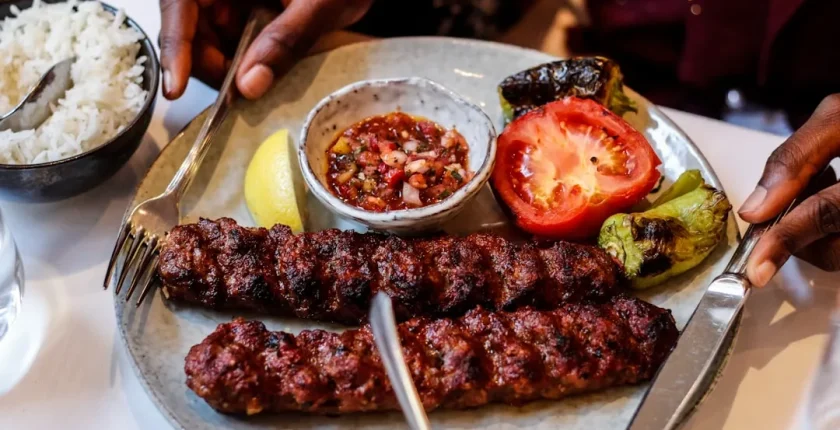
- Meats: Lamb and chicken are prevalent choices. Kebab, a famed Turkish dish, highlights the flavors of marinated grilled meat, often served with flatbreads or rice.
- Herbs and Spices: Parsley, mint, and cumin add depth and freshness to dishes. Turkish cooking frequently emphasizes a balanced blend between spices and herbs, enhancing the overall flavor.
- Dairy: Yogurt is a cornerstone of Turkish food, often used as a condiment or base for dishes like Cacık, a refreshing yogurt and cucumber dip.
In essence, these ingredients not only contribute to the unique palate of Turkish food but also reflect the country’s agricultural richness and culinary traditions, creating a delicious experience that’s both hearty and wholesome.
Traditional Cooking Techniques and Methods
Turkish food boasts a rich tapestry of traditional cooking techniques that reflect the country’s diverse culture and history. Master chefs and home cooks alike employ various methods to prepare dishes that are both flavorful and visually appealing. Here are some prominent techniques commonly used in Turkish cooking:
- Grilling (Mangal): Grilling is a staple in Turkish cuisine. Meat, vegetables, and fish are often marinated and cooked on an open flame, enhancing their natural flavors. Dishes like kebabs and köfte showcase this technique, offering a smoky taste that is hard to resist.
- Baking: Many Turkish dishes, such as pide and börek, involve baking. These dishes often feature fillings of cheese, meat, or vegetables wrapped in a flaky pastry, making for a delightful texture and flavor.
- Stewing (Tüfek): Slow-cooked stews are a hearty option in Turkish food. Utilizing a variety of meats and vegetables, this method allows flavors to meld beautifully. Dishes like hünkarbeğendi exemplify the richness achievable through stewing.
- Sautéing (Sote): Quick sautéing captures the freshness of ingredients. Cooking with olive oil and fresh herbs while maintaining crunch in vegetables is a signature style in many Turkish dishes.
In summary, these traditional cooking techniques contribute significantly to the flavor profiles and authenticity of Turkish food. Each method not only enhances the taste but also preserves the cultural heritage, making every meal a celebration of Turkey’s rich culinary tradition.
Regional variations in Turkish food
Turkish food richly reflects the diverse cultures and landscapes across Turkey. Each region offers unique ingredients and cooking methods, resulting in a variety of distinct flavors and dishes. Here’s a closer look at some of these regional specialties:
1. Aegean Region
- Key Ingredients: Olive oil, fresh vegetables, seafood.
- Notable Dishes:Zeytinyağlı enginar (artichokes in olive oil), Midye dolma (stuffed mussels).
2. Central Anatolia
- Key Ingredients: Wheat, meat (especially lamb), legumes.
- Notable Dishes:Testi kebabı (pottery kebab), Manti (Turkish dumplings).
3. Eastern Anatolia
- Key Ingredients: Spices, grains, and hearty meats.
- Notable Dishes:Kabab (skewered meat), Aşure (Noah’s pudding).
4. Southeastern Anatolia
- Key Ingredients: Spicy peppers, grains, dairy.
- Notable Dishes:Kebap (various meat dishes), Bulgur pilavı (bulgur pilaf).
5. Black Sea Region
- Key Ingredients: Corn, seafood, and herbs.
- Notable Dishes:Hamsi (anchovies), Mısır ekmeği (cornbread).
These regional variations not only highlight the ingredients unique to each area but also celebrate the vibrant culture and history of Turkish food. Whether you’re indulging in the olive oil-based dishes from the Aegean or the hearty meaty meals from Eastern Anatolia, the diversity of Turkish food presents an exploration of flavors that represent the heart of Turkish heritage.

The cultural significance of Turkish food in social gatherings
Turkish food plays a pivotal role in social gatherings, showcasing the rich heritage and hospitality of Turkey. The act of sharing meals transcends mere sustenance; it embodies community, tradition, and love. Here’s a closer look at how Turkish food enhances social interactions:
- Hospitality and Sharing: Offering food to guests is a fundamental aspect of Turkish culture. When friends or family gather, dishes like meze (appetizers) create a warm and inviting atmosphere that encourages conversation and bonding.
- Cultural Celebrations: Special occasions, such as weddings and religious holidays, prominently feature traditional Turkish dishes. For instance:
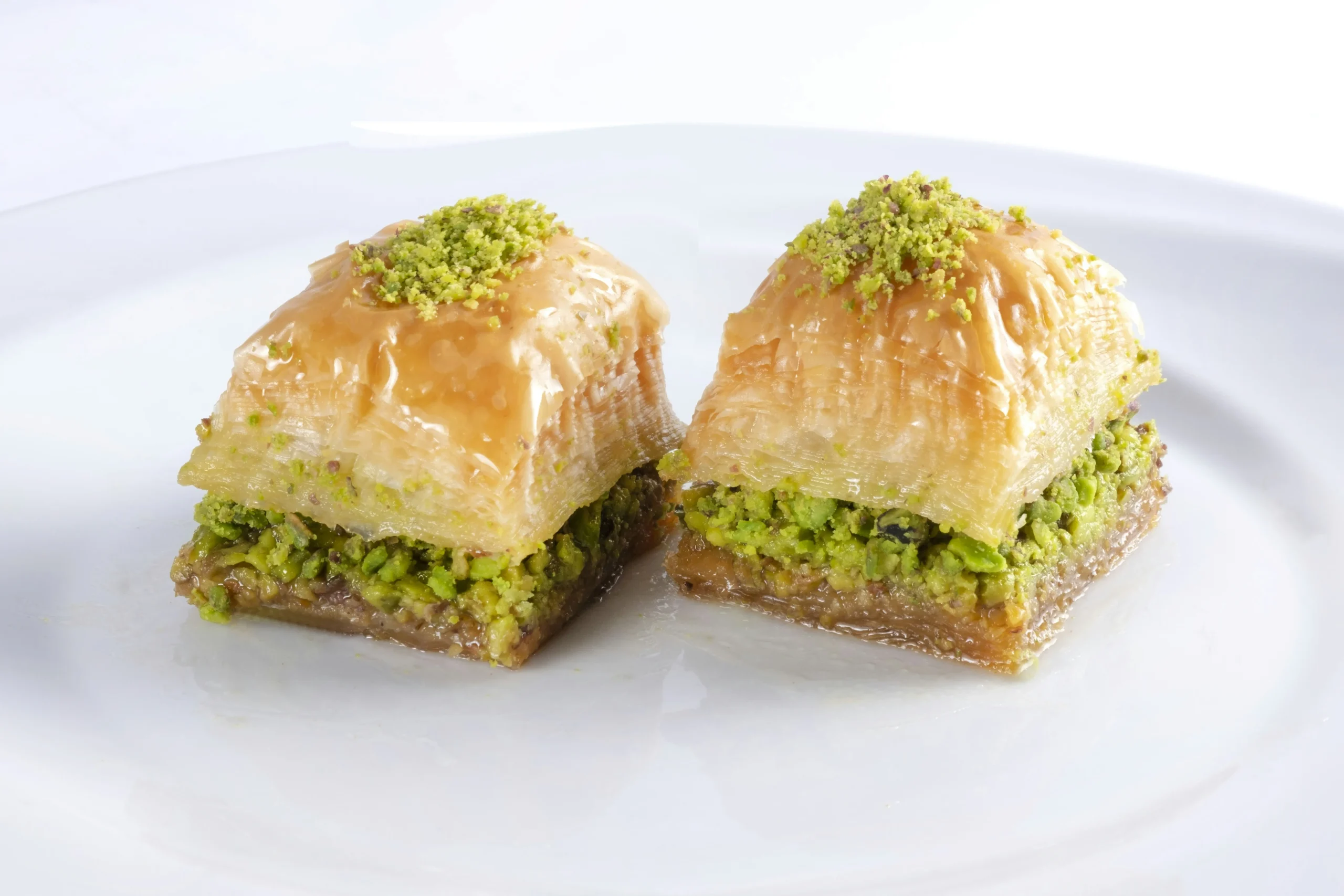
- Baklava for celebrations
- Kebabs during family feasts
- Dolma (stuffed vegetables) at gatherings
- Community Connection: Food brings people together. Family members often collaborate in preparing meals, fostering unity. Additionally, communal dining experiences, such as sharing a pide or lahmacun, reinforce relationships among diners.
- Rituals and Traditions: Specific food customs accompany various events. For example, during Ramadan, breaking the fast with a communal meal highlights the importance of Turkish food in spiritual practices.
In conclusion, Turkish food is more than just a series of dishes; it is a rich tapestry woven into the fabric of social gatherings, reflecting the warmth, unity, and culture of the Turkish people.
Frequently Asked Questions
What are the traditional staples of Turkish cuisine?
Turkish cuisine is diverse and includes various staples like bread, rice, and legumes. Common bread types include pide and lavash, while rice pilaf is a frequent side dish. Legumes such as lentils and chickpeas are also prevalent. These ingredients are often used in dishes like mezes, kebabs, and dolmas, showcasing the freshness and variety characteristic of Turkish gastronomic traditions.
How do spices and herbs influence Turkish food?
Spices and herbs play a crucial role in Turkish cuisine, contributing to its rich flavors and aromas. Commonly used spices include cumin, paprika, and black pepper, while herbs like parsley, mint, and dill are essential in both cooked dishes and salads. They enhance the taste, making the food vibrant and aromatic, and reflect the historical trade routes and cultural exchanges that have influenced Turkish cooking.
What role does meze play in Turkish dining culture?
Meze refers to a variety of small dishes served as appetizers in Turkish dining culture. These dishes, ranging from cold to hot, allow diners to sample diverse flavors before the main course. Meze reflects the communal nature of Turkish meals, encouraging sharing and conversation among guests. It often includes items like hummus, stuffed grape leaves, and various dips, showcasing the creativity and depth of Turkish culinary heritage.
Are there any unique cooking methods found in Turkish cuisine?
Yes, Turkish cuisine boasts unique cooking methods such as tandoor and wood-fired ovens, particularly in making breads and kebabs. The tandoor method involves cooking in a clay oven, which imparts a distinct smoky flavor to the food. Another method is slow-cooking stews and casseroles, resulting in tender, flavorful dishes. These traditional techniques highlight the deep cultural roots and regional influences present in Turkish cooking.
How does Turkish cuisine reflect cultural influences from other regions?
Turkish cuisine embodies a rich tapestry of cultural influences from the Mediterranean, Middle East, and Central Asia due to its historical connections. Dishes like kebabs and baklava demonstrate flavors and techniques brought by various cultures over centuries. The usage of diverse ingredients such as yogurt, olive oil, and nuts showcases a blend of traditions, making Turkish food a unique fusion of flavors that tells the story of its heritage.