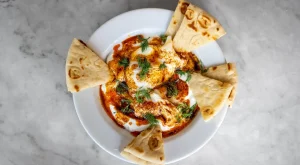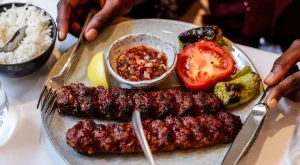
Discover the Rich Flavors of Turkish Food: A Culinary Journey
Embark on a culinary journey as we uncover the rich flavors of Turkish food, a vibrant mélange of history and tradition. Renowned for its unique ingredients and regional variations, Turkish cuisine boasts a tapestry of tastes that reflect the country’s diverse cultural heritage. From savory kebabs to sweet baklava, each...

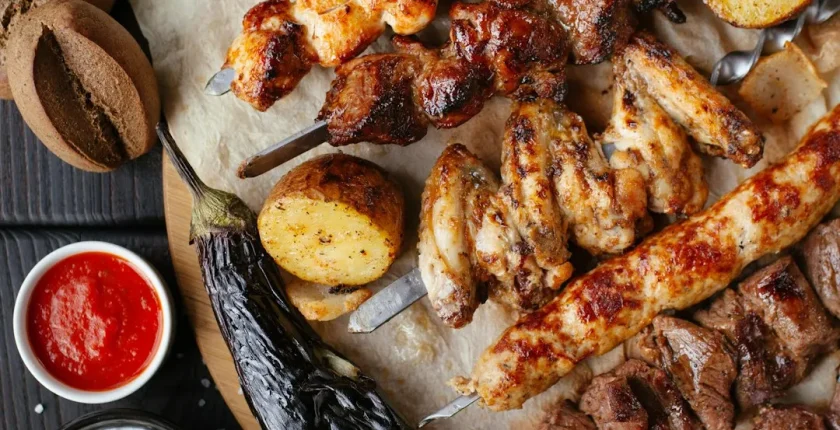
Embark on a culinary journey as we uncover the rich flavors of Turkish food, a vibrant mélange of history and tradition. Renowned for its unique ingredients and regional variations, Turkish cuisine boasts a tapestry of tastes that reflect the country’s diverse cultural heritage. From savory kebabs to sweet baklava, each dish tells a story deeply rooted in its origin. Join us as we explore the essential elements that define this exquisite cuisine and discover how to experience these flavors authentically in local restaurants and bustling markets.
- 1. The history and cultural significance of Turkish cuisine
- 2. Key ingredients that define Turkish dishes
- 3. Popular Traditional Turkish Dishes to Try
- 4. The influence of regional variations in Turkish food
- 5. Tips for Exploring Turkish Food in Local Restaurants and Markets
- 6. Frequently Asked Questions
- 6.1. What are the key ingredients commonly used in Turkish cuisine?
- 6.2. What are some must-try traditional dishes in Turkey?
- 6.3. How is Turkish food typically seasoned and flavored?
- 6.4. What makes Turkish breakfast unique compared to other cuisines?
- 6.5. Are there any regional specialties in Turkish cuisine?
The history and cultural significance of Turkish cuisine
Turkish food has a rich and diverse history that reflects the cultural tapestry of its people. Emerging from various influences, this cuisine combines elements from the Ottoman Empire, Middle Eastern and Mediterranean traditions. Here are key points that highlight its historical and cultural significance:
- Ottoman Heritage: The grandeur of the Ottoman Empire, which spanned three continents, greatly influenced Turkish food. Dishes like kebabs, pilafs, and stuffed vegetables were traditionally served in royal palaces, showcasing culinary art.
- Cultural Exchange: As a crossroads of civilizations, Turkey absorbed flavors, techniques, and ingredients from neighboring regions, such as Greece, Persia, and Arabia. This melding of cultures contributed to the versatile palate found in Turkish food.
- Regional Diversity: Each of Turkey’s regions boasts unique culinary traditions. For instance, coastal areas focus on seafood, while central Anatolia favors heartier grains and dairy. This regional diversity enriches the overall spectrum of Turkish cuisine.
- Social Bonds: Food has always played a crucial role in Turkish culture, symbolizing hospitality and togetherness. Family gatherings and festive occasions often revolve around sharing meals, emphasizing the importance of community.
In summary, the history and cultural significance of Turkish food are deeply intertwined with the country’s identity. Each dish tells a story, making its culinary journey an essential aspect of the Turkish experience.

Key ingredients that define Turkish dishes
Turkish food boasts a diverse array of ingredients, reflecting the country’s rich cultural history and regional influences. Here are some key ingredients that define Turkish cuisine:
- Grains: Wheat is fundamental; you will frequently encounter it in forms such as bulgur, rice, and delightful pide (Turkish flatbread).
- Legumes: Chickpeas and lentils are staples in various dishes, including the famous hummus and mercimek köftesi (lentil balls).
- Vegetables: Fresh vegetables like eggplant, peppers, and tomatoes elevate the flavor profile of many meals. Consider dishes like Imam Bayildi (stuffed eggplant) or Dolma (stuffed grape leaves).
- Meats: Lamb and chicken dominate the protein selection, with beloved dishes such as kebabs and kofta.
- Herbs and Spices: Turkish food incorporates a vibrant mix of herbs and spices, including parsley, mint, and sumac, which add freshness and depth.
- Dairy: Yogurt is a versatile component, often used in sauces or as a cooling side to spicy dishes.
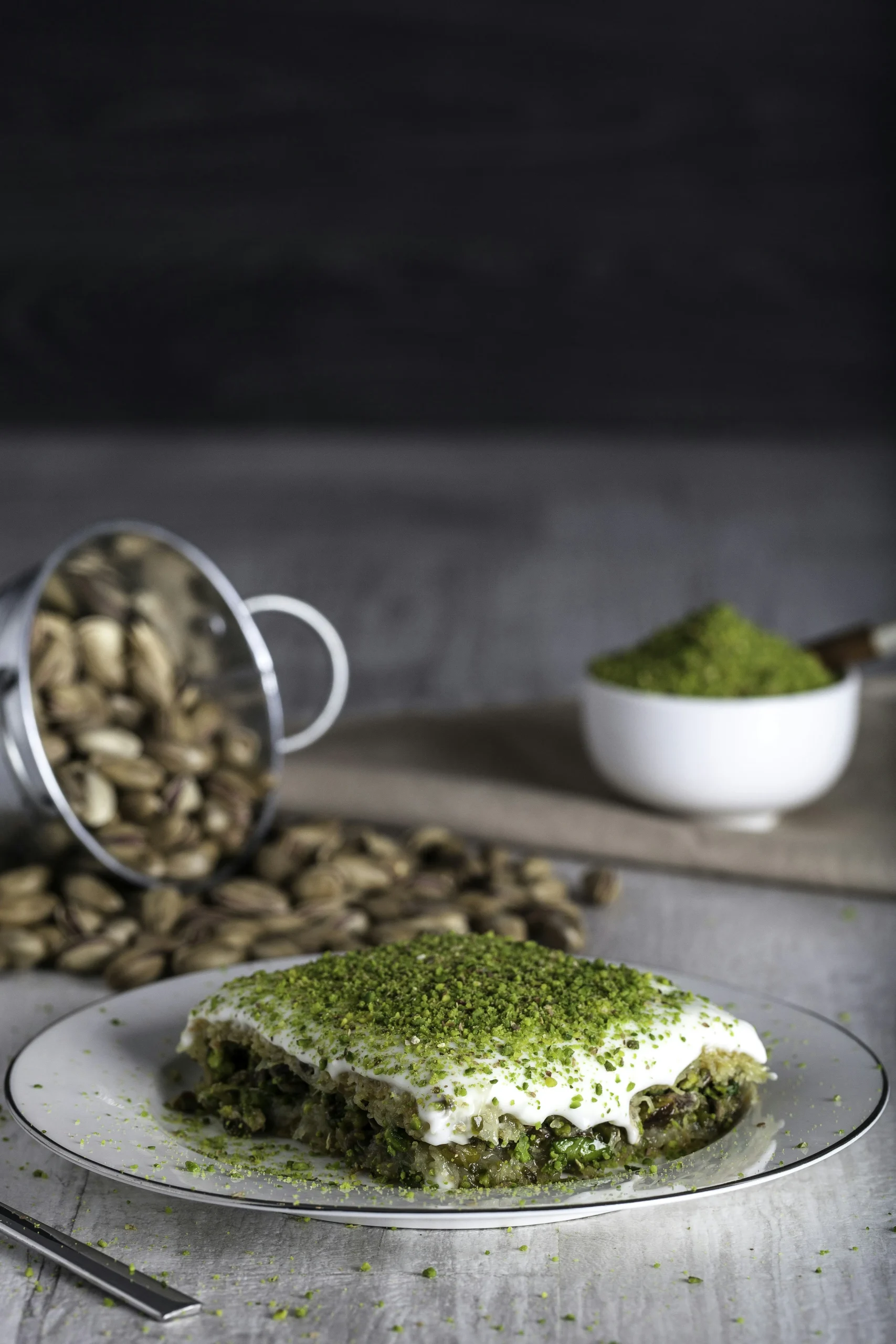
- Nuts: Pistachios, walnuts, and pine nuts frequently appear in desserts like baklava, enhancing both texture and flavor.
These ingredients not only define Turkish food but also create an inviting and flavorful tapestry that will surely delight your palate. Exploring the balance of these components helps you appreciate the culinary artistry of Turkish dishes.
Popular Traditional Turkish Dishes to Try
Exploring Turkish Food means diving into a delightful array of flavors, textures, and aromas. Here are some must-try traditional dishes that showcase the culinary richness of Turkey:
- Kebabs: This iconic dish comes in various forms, including döner (rotating meat), şiş (skewered meat), and Adana kebab (spicy minced lamb). Each region boasts its unique twist on this classic.
- Meze: A selection of small dishes perfect for sharing, meze includes items like hummus, stuffed grape leaves (dolma), and eggplant dip (babaganoush). It’s an excellent way to sample a variety of flavors.
- Pide: Often referred to as Turkish pizza, pide features a thin crust topped with ingredients like cheese, minced meat, or vegetables, baked to perfection.
- Lahmacun: A favorite street food, this crispy flatbread is topped with a mixture of minced meat, herbs, and spices, delivering a punch of flavor in every bite.
- Baklava: For dessert, try this sweet treat made of layers of filo pastry, walnuts or pistachios, and honey syrup. It perfectly balances the sweetness and crunchiness.
- Çorba: This traditional soup often includes lentils or wheat and is a warming staple in Turkish homes, embodying comfort and culinary tradition.
Sampling these dishes will give you a true taste of Turkish Food and enrich your dining experience.
The influence of regional variations in Turkish food
Turkish food offers a fascinating tapestry of flavors shaped by its diverse regions. Each area boasts unique ingredients and cooking methods that contribute to the country’s rich culinary heritage. Here’s how regional variations influence Turkish food:
- Marmara Region: Known for its seafood, especially in cities like Istanbul, this area integrates fresh fish and rich olive oil into its dishes. Try balık ekmek (fish sandwich) for a taste of the sea.
- Aegean Region: Focused on fresh vegetables and herbs, dishes like zeytinyağlılar (olive oil dishes) highlight the use of local olives, fava beans, and artichokes. The emphasis on healthfulness is prevalent here.
- Central Anatolia: This region thrives on hearty grains and legumes, with manti (Turkish dumplings) being a staple. Here, the use of yogurt is prominent for rich flavor.
- Southeast Anatolia: Known for bold flavors, this region uses spices like cumin and paprika extensively. Dishes like kebap and meze showcase the love for grilling and spiced additions.
- Black Sea Region: Unlike the rest of Turkey, this area embraces a seafood-centered diet. Hamsi (anchovies) and corn-based dishes reflect the unique climatic conditions impacting ingredient availability.
Understanding these regional differences enriches your experience of Turkish food. Whether savoring savory kebaps in the east or fresh mezes in the west, each bite reveals a story steeped in culture and tradition.
Tips for Exploring Turkish Food in Local Restaurants and Markets
Embarking on a culinary journey through Turkish food can be truly exhilarating. To enhance your experience in local restaurants and markets, consider the following tips:
- Research Ahead: Look up popular Turkish restaurants and markets in the area. Reading reviews can help you find hidden gems that offer authentic flavors.
- Ask Locals for Recommendations: Don’t hesitate to chat with locals. They often know the best spots for enjoying traditional Turkish food that may not be featured in tourist guides.
- Try Meze: Before your main course, indulge in meze, a selection of small dishes that showcase various flavors. This allows you to taste a range of appetizers and get to know diverse ingredients.
- Experience Fresh Ingredients: Visit local markets where you can see vibrant produce, spices, and freshly baked bread. Engaging with vendors can also provide valuable insights into the cultural significance of certain foods.
- Pair with Raki: When dining, consider pairing your dishes with raki, the traditional Turkish anise-flavored spirit. It complements many dishes beautifully.
- Be Adventurous: Embrace flavors you might not typically try. Turkish food features diverse ingredients; for example, dishes like kebabs, dolmas, and baklava might surprise you with their rich tastes.
Exploring Turkish food isn’t just a meal; it’s a journey through culture and tradition!
Frequently Asked Questions
What are the key ingredients commonly used in Turkish cuisine?
Turkish cuisine is renowned for its rich and diverse flavors, relying heavily on fresh ingredients. Key components include meats such as lamb and chicken, various types of bread, a variety of vegetables like eggplants and peppers, and legumes such as lentils and chickpeas. Spices like cumin, paprika, and sumac are extensively used to enhance flavors. Furthermore, olive oil, yogurt, and fresh herbs like parsley and dill are staples in many traditional dishes.
What are some must-try traditional dishes in Turkey?
When exploring Turkish cuisine, don’t miss dishes such as ‘kebabs’, which are grilled or skewered meats, and ‘mezes’, a variety of appetizers served alongside a meal. ‘Baklava’, a sweet pastry made of layers of filo dough, nuts, and honey, is a dessert that epitomizes Turkish sweets. Other iconic dishes include ‘mantı’ (Turkish dumplings), ‘dolma’ (stuffed grape leaves), and ‘pide’ (Turkish pizza), each showcasing the diverse gastronomic heritage of Turkey.
How is Turkish food typically seasoned and flavored?
Turkish food is seasoned with a variety of herbs and spices, creating layers of flavors that are both vibrant and aromatic. Common seasonings include red pepper flakes, mint, and mild spices like coriander and cumin. Olive oil is frequently used in dressings and cooking, enhancing the natural flavors of vegetables and legumes. Citrus, particularly lemon, adds brightness to dishes, while sweet and sour flavors are often balanced in both savory and sweet preparations, making the cuisine uniquely pleasant.
What makes Turkish breakfast unique compared to other cuisines?
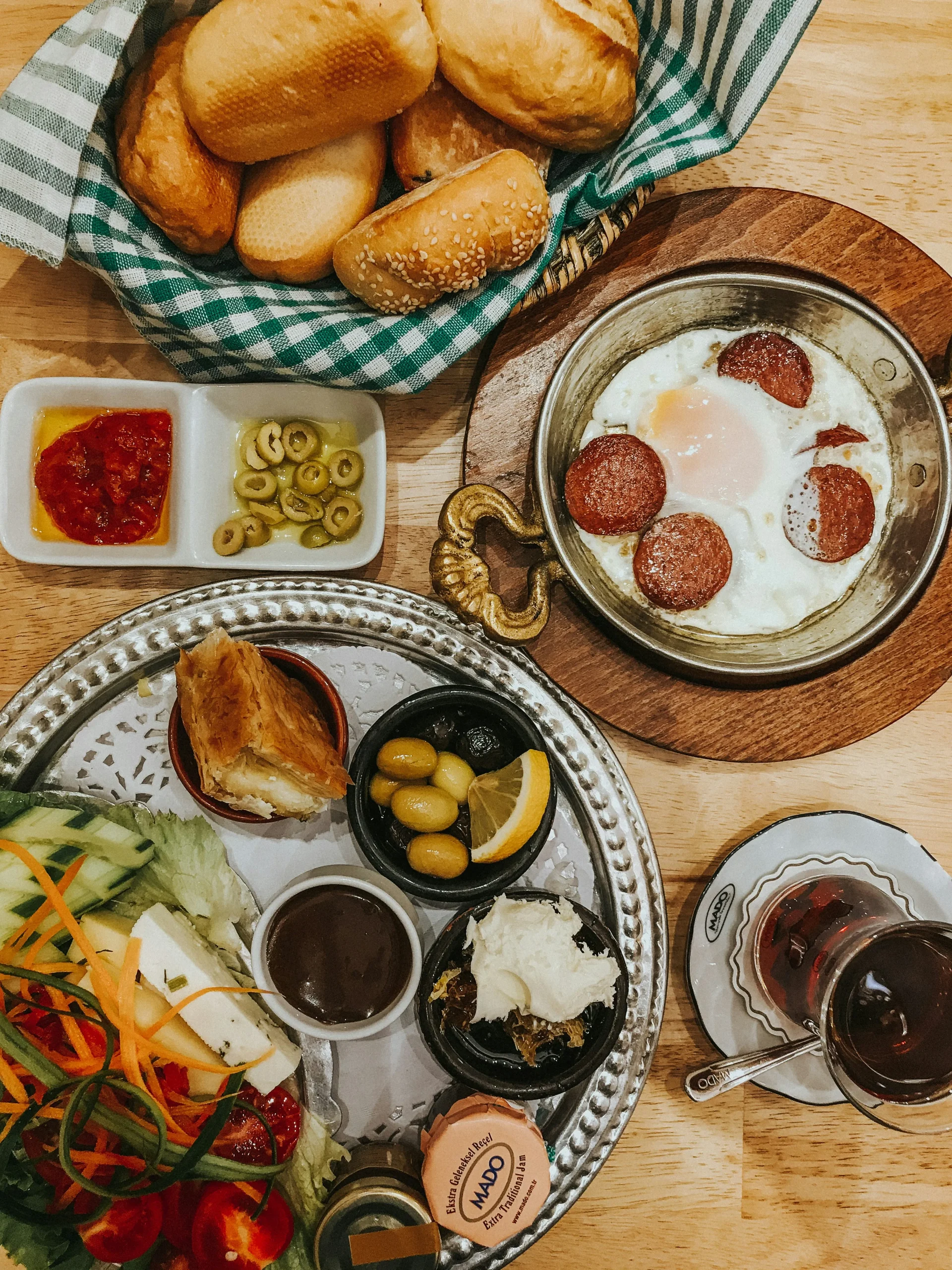
Turkish breakfast, known as ‘kahvaltı’, is quite elaborate and is often regarded as a significant meal of the day. It typically features a spread of various cheeses, olives, tomatoes, cucumbers, and eggs, sometimes prepared as ‘menemen’ (scrambled eggs with tomatoes and peppers). Breads like simit (sesame bagels) or pide are common accompaniments. The inclusion of honey, jam, and yogurt along with strong Turkish tea creates a hearty and refreshing experience, distinguishing it from lighter breakfast traditions.
Are there any regional specialties in Turkish cuisine?
Yes, Turkey’s vast geography comprises several distinct regions, each boasting unique culinary specialties. For instance, the southeastern region is famous for its spicy kebabs and mezes, while the Aegean coast is known for its vegetable-based dishes and seafood. The Black Sea region offers dishes like ‘hamsi’ (anchovy) and ‘muhlama’ (a cheese and cornmeal dish). Each region’s ingredients influenced by local climate and agriculture contribute to the incredible diversity found in Turkish cuisine.