Discover the Magic of Borek: A Delicious Turkish Pastry
Borek, a delightful Turkish pastry, holds a rich history that traces back to ancient culinary traditions. Known for its flaky layers and savory fillings, this dish has evolved through centuries, showcasing regional variations and unique ingredients. Whether enjoyed as a snack or a main course, Borek is not just food;...

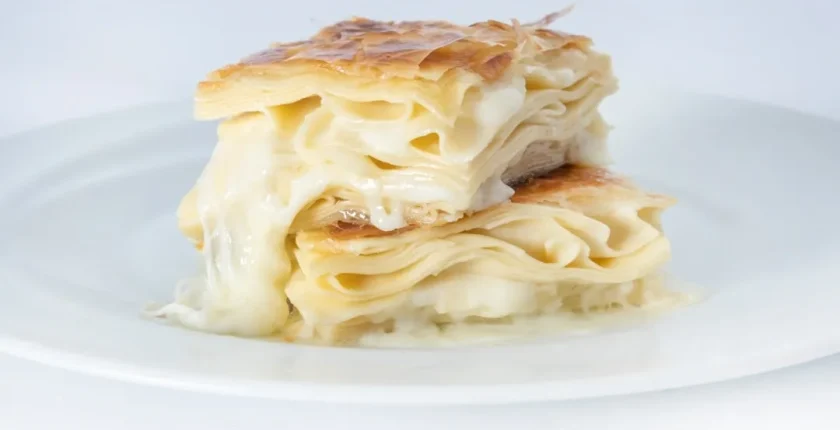
Borek, a delightful Turkish pastry, holds a rich history that traces back to ancient culinary traditions. Known for its flaky layers and savory fillings, this dish has evolved through centuries, showcasing regional variations and unique ingredients. Whether enjoyed as a snack or a main course, Borek is not just food; it represents a significant part of Turkish culture and hospitality. In this article, we will delve into the enchanting world of Borek, exploring its origins, types, and even how to recreate it at home for an authentic experience.
- 1. History of Borek and its Origins
- 2. Types of Borek: Exploring Regional Variations
- 3. Traditional Ingredients Used in Borek
- 4. Step-by-Step Guide to Making Borek at Home
- 4.1. Ingredients you’ll need:
- 4.2. Step-by-step instructions:
- 5. Serving Suggestions and Pairings for Borek
- 6. Cultural Significance of Borek in Turkish Cuisine
- 7. Where to Find Authentic Borek Restaurants
- 7.1. 1. Look for Turkish Neighborhoods
- 7.2. 2. Check Online Reviews
- 7.3. 3. Attend Food Festivals
- 7.4. 4. Visit Turkish Restaurants with Strong Focus on Bakeries
- 8. Frequently Asked Questions
- 8.1. What is borek and what are its main ingredients?
- 8.2. How is borek typically served in Turkish cuisine?
- 8.3. What are the different types of borek?
- 8.4. Can borek be made in advance and frozen?
- 8.5. What is the nutritional value of borek?
History of Borek and its Origins
Borek boasts a rich history that dates back centuries, showcasing its significance in Turkish cuisine and culture. Originating from the Ottoman Empire, this delightful pastry has traveled across continents, adapting various regional influences along the way.
- Ancient Beginnings: The earliest roots of Borek can be traced to the Turkish nomadic lifestyle, where simple meat and vegetable fillings were wrapped in thin layers of dough. Over time, it evolved into the flaky pastry we enjoy today.
- Culinary Spread: As the Ottoman Empire expanded, Borek made its way into many Balkan, Middle Eastern, and Mediterranean cuisines. Each region developed its own twist, leading to diverse variations.
| Region | Popular Variation | Key Ingredients |
|---|---|---|
| Turkey | Su Böreği (water borek) | Feta cheese, spinach, phyllo |
| Greece | Bougatsa | Custard, sweet cheese |
| Bosnia | Burek | Ground meat, onions, dough |
| Lebanon | Fatayer | Spinach, sumac, dough |
- Cultural Symbol: In Turkey, Borek is not merely a pastry; it’s a symbol of hospitality and celebration. Families often prepare them during festive occasions, showcasing the artistry involved in creating this delectable dish.
In summary, Borek represents a delightful fusion of history and culture, embodying the essence of Turkish and regional cuisines. Its evolution reflects the interconnectedness of different cultures, making it a timeless favorite.


Types of Borek: Exploring Regional Variations
Borek, a beloved Turkish pastry, showcases incredible regional diversity across Turkey and beyond. Each variation offers a unique taste and texture, reflecting local ingredients and culinary traditions. Let’s explore some of the most popular types of Borek:
- İçli Köfte: While primarily a meat-stuffed variant, it features a unique, firmer dough, more akin to a dumpling, often served in Çanakkale.
- Saray Borek: This elegant Borek, stuffed with a combination of minced meat, onions, and spices, stands out due to its flaky and rich pastry. Originating from Istanbul, it’s often found in gourmet restaurants.
- Kıymalı Borek: A classic variant filled with minced meat and spices, this Borek is well-loved across Turkey, especially in homes and local eateries.
- Peynirli Borek: Cheese lovers rejoice! This variant includes various regional cheeses, such as feta or beyaz peynir, making it a popular choice in the Aegean region.
- Patatesli Borek: Featuring a scrumptious filling of mashed potatoes and herbs, this vegetarian option is most popular in rural Turkey.
Here’s a quick comparison of these types:
| Borek Type | Main Filling | Popular Regions |
|---|---|---|
| İçli Köfte | Minced Meat | Çanakkale |
| Saray Borek | Minced Meat & Onions | Istanbul |
| Kıymalı Borek | Minced Meat | Nationwide |
| Peynirli Borek | Cheese | Aegean |
| Patatesli Borek | Potatoes | Rural Turkey |
In conclusion, the variations of Borek not only satisfy diverse palates but also connect people to their cultural roots. Each bite is a delicious link to Turkey’s rich culinary tapestry!
Traditional Ingredients Used in Borek
Borek is not only delicious but also a wonderful exploration of flavors and textures. The traditional ingredients used in Borek vary by region and personal preferences, but certain staples remain consistent across various recipes. Here’s a closer look at what goes into making this delightful pastry:
- Phyllo Dough: The foundation of Borek, phyllo dough is thin, flaky, and creates a crispy exterior. It’s essential for achieving the perfect crunch.
- Filling Options: Borek can feature a variety of fillings, including:
- Cheese: Feta or labneh mixed with fresh herbs like dill or parsley creates a savory option.
- Spinach: Often paired with cheese, spinach adds a nutritious and flavorful component.
- Meat: Ground lamb or beef seasoned with spices offers a heartier version, commonly enjoyed in many Middle Eastern regions.
- Spices and Herbs: Simple spices such as salt and black pepper, along with herbs like thyme or mint, elevate the flavor of the filling.
- Egg: A beaten egg can be brushed on top for a golden, shiny finish. Some recipes also incorporate eggs into the filling for richness.
- Oil or Butter: Coating the phyllo sheets with melted butter or oil ensures the Borek turns out beautifully crispy and golden.
In summary, the choice of ingredients significantly impacts the taste and texture of Borek, making it a versatile dish suited for any palate!
Step-by-Step Guide to Making Borek at Home
Making Borek at home is a rewarding experience that allows you to savor this delightful pastry fresh out of the oven. Follow these simple steps to create your own delicious Borek:
Ingredients you’ll need:
- Filo pastry (or yufka if available)
- Filling options:
- Spinach and feta cheese
- Ground meat (beef or lamb)
- Potatoes
- Mixed herbs
- Butter or olive oil (for brushing)
- Egg wash (1 egg mixed with a splash of milk)
Step-by-step instructions:
- Preheat your oven to 375°F (190°C). This ensures even baking.
- Prepare the filling:
- Cook spinach and drain excess water, then mix with feta cheese for a classic filling.
- For meat filling, sauté ground meat until browned, adding spices to enhance flavor.
- Layer the filo pastry:
- Brush a baking dish with melted butter or olive oil.
- Place one layer of filo pastry, and brush it again. Repeat this for 3-4 layers.
- Add the filling:
- Spread your desired filling evenly over the layered pastry.
- Fold and shape:
- Roll or fold the pastry to encase the filling. You can also create spirals or triangles based on your preference.
- Bake the Borek:
- Brush the top with egg wash for a golden finish. Bake for 30-35 minutes or until crispy and golden brown.
- Serve and enjoy:
- Allow the Borek to cool slightly, then cut into pieces. Pair it with yogurt or a fresh salad for a complete meal.
By making your own Borek, you not only enjoy a delicious treat but also connect with the rich culinary traditions of Turkish cuisine.

Serving Suggestions and Pairings for Borek
When it comes to serving Borek, the options are as diverse as the variations of the pastry itself. This beloved Turkish dish can be enjoyed in various delightful ways, making it a versatile addition to any meal. Here are some scrumptious serving suggestions and perfect pairings for Borek:
- Accompaniments: Serve Borek alongside a refreshing yogurt sauce or a tangy salad. These help to balance the rich flavors of the pastry, enhancing the overall dining experience.
- Dips: Consider pairing Borek with dips like hummus or tzatziki. The creaminess of these dips complements the flaky texture of the Borek perfectly.
- Beverage Suggestions:
- Turkish Tea: A common pairing that enhances the traditional experience.
- Ayran: This yogurt-based drink refreshes the palate and pairs beautifully with savory Borek varieties.
- Meal Ideas:
- Breakfast: Serve Borek as part of a Turkish breakfast spread, accompanied by olives, tomatoes, and feta cheese.
- Lunch/Dinner: Enjoy Borek as a main course with a side of roasted vegetables or a light soup.
By exploring these serving suggestions and pairings, you elevate the Borek experience, allowing you to savor its rich cultural importance while enjoying its delectable taste. Whether it’s a festive gathering or a simple snack, Borek never fails to delight!
Cultural Significance of Borek in Turkish Cuisine
Borek is much more than just a delightful pastry; it represents a significant aspect of Turkish cultural identity. This savory treat has woven itself into the fabric of everyday life, celebrations, and culinary traditions.
- Symbol of Hospitality: Serving Borek often signifies welcome and generosity. In Turkey, offering this dish to guests showcases the host’s culinary skills and warmth, making it a staple at gatherings.
- Celebratory Dish: During special occasions such as weddings, holidays, and family celebrations, Borek plays a central role. Variants are often prepared to suit the festive atmosphere, showcasing the diversity of flavors.
- Regional Variations: The cultural significance of Borek extends across different regions, where variations reflect local customs and ingredients. For example:
- Istanbul: Features flaky pastries filled with cheese and herbs.
- Anatolia: Often includes minced meat and spices, emphasizing robust flavors.
- Western Turkey: May incorporate honey and nuts for a sweet twist.
- Culinary Tradition: Making Borek is often a communal activity. Families gather to prepare and share recipes, passing down techniques through generations, thereby preserving a rich culinary heritage.
In summary, Borek serves not only as a culinary delight in Turkish cuisine but also as a medium for cultural expression, community bonding, and celebration.
Where to Find Authentic Borek Restaurants
Finding authentic Borek restaurants can be an exciting culinary adventure. With its rich history and regional variations, Borek deserves to be enjoyed in the right setting. Here are some tips to help you discover these gems:
1. Look for Turkish Neighborhoods
- Cultural Hub: Areas with a significant Turkish population often boast the best traditional dishes.
- Family-Owned Outlets: Search for family-run bakeries or cafes known for making home-style Borek.
2. Check Online Reviews
- Local Guides: Websites like Yelp or Google Maps can reveal popular spots.
- Food Blogs: Follow food bloggers who specialize in Turkish cuisine for personal recommendations.
3. Attend Food Festivals
- Culinary Events: These occasions usually feature authentic Borek and other regional dishes, giving you a chance to sample a variety.
4. Visit Turkish Restaurants with Strong Focus on Bakeries
- Specialized Menus: Look for eateries that have dedicated sections for Borek on their menus.
- Authentic Recipes: Choose places that use traditional recipes handed down through generations.
By following these tips, you can find and enjoy the most exquisite Borek the culinary world has to offer. Take the time to explore, and you might uncover unique regional twists that make this beloved pastry even more special!

Frequently Asked Questions
What is borek and what are its main ingredients?
Borek is a traditional Turkish pastry made with thin layers of dough, known as yufka or phyllo, which are filled with a variety of ingredients such as cheese, minced meat, spinach, or potatoes. The dough is rolled out into thin sheets and typically layered, making it flaky and crisp when baked. The fillings can vary widely depending on regional variations and personal preferences, making borek a versatile dish enjoyed by many.
How is borek typically served in Turkish cuisine?
In Turkish cuisine, borek is often served as a snack or appetizer and can be accompanied by yogurt, salad, or pickles to enhance its flavors. It may be offered at breakfast, lunch, or as part of a meze platter. Borek can be enjoyed hot straight from the oven or at room temperature, making it ideal for sharing at gatherings or festive occasions. Some people enjoy adding a squeeze of lemon for added zest.
What are the different types of borek?
There are numerous types of borek, which can be categorized by their shape and filling. Some common varieties include ‘Sigara Borek’, which are rolled and shaped like cigars, ‘Tepsi Borek’, a large, tray-baked version, and ‘Saray Borek’, which features multiple layers of dough and fillings. Additionally, fillings can range from savory to sweet, incorporating ingredients like nuts and fruits, allowing for countless adaptations of this beloved pastry.
Can borek be made in advance and frozen?
Yes, borek can be prepared in advance and is an excellent candidate for freezing. Once assembled, you can freeze uncooked borek by wrapping it tightly in plastic wrap and placing it in an airtight container. When you’re ready to eat, simply bake directly from the freezer, adding a few extra minutes to the cooking time. This makes borek a convenient option for meal prep or last-minute entertaining.
What is the nutritional value of borek?
The nutritional value of borek varies greatly depending on its ingredients and size. A typical serving of cheese-filled borek can provide a good source of protein and carbohydrates, but it may also be high in calories and fat due to the pastry dough and added oils. For a healthier option, consider using whole grain phyllo dough or packing the filling with vegetables. As with any dish, moderation is key to maintaining a balanced diet.