Manti: The Irresistible Turkish Dumplings You’ll Love
Manti, the beloved Turkish dumplings, offer a delightful combination of history, culture, and flavor. Originating from the nomadic lifestyles of Central Asian Turks, these tiny parcels of goodness have evolved into a cherished dish enjoyed across Turkey and beyond. With a variety of regional adaptations, preparing Manti often involves age-old...

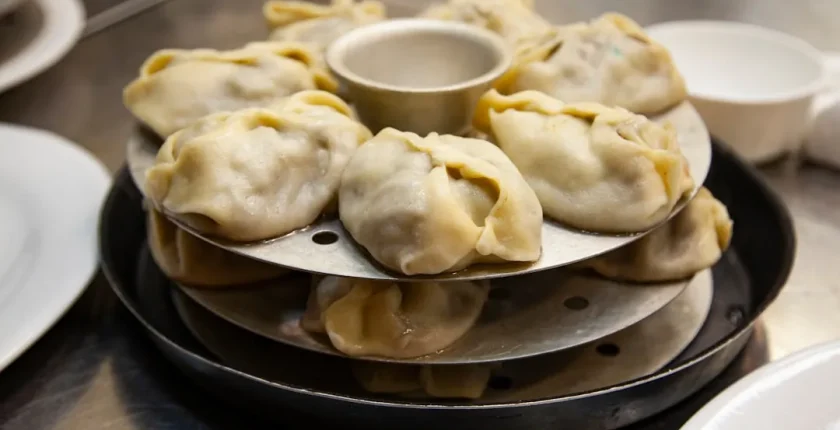
Manti, the beloved Turkish dumplings, offer a delightful combination of history, culture, and flavor. Originating from the nomadic lifestyles of Central Asian Turks, these tiny parcels of goodness have evolved into a cherished dish enjoyed across Turkey and beyond. With a variety of regional adaptations, preparing Manti often involves age-old techniques that enhance its savory fillings. Whether served traditionally with garlic yogurt and spiced butter or paired with a modern twist, Manti is a culinary experience that promises to tantalize your taste buds.
- 1. History and Origins of Manti
- 2. Types of Manti and Their Regional Variations
- 3. Traditional Manti Preparation Techniques
- 4. Serving Suggestions and Accompaniments for Manti
- 5. Frequently Asked Questions
- 5.1. What are Manti and what distinguishes them from other dumplings?
- 5.2. How are Manti traditionally served?
- 5.3. Can Manti be made vegetarian or vegan?
- 5.4. Where can I find authentic Manti outside of Turkey?
History and Origins of Manti
Manti, the delightful Turkish dumplings, have a rich history that traces back to Central Asia. Believed to have been introduced by the Turkic nomadic tribes, Manti spread across various regions, evolving along the way. Here are some key points about their origins:
- Central Asian Roots: Manti originated in the Turkic regions, particularly among the Uighurs and Mongols, where they made dumplings stuffed with meat.
- Cultural Spread: As the Turkic tribes migrated, they brought Manti with them. Each culture added its unique touch, leading to the diverse types of Manti we see today.
- Ottoman Influence: During the Ottoman Empire, Manti gained immense popularity. The dish became a staple in Istanbul and spread to neighboring countries, each adding regional flavors.
- Modern-Day Variations: Today, you can find numerous variations of Manti in Turkey, including the iconic Kayseri Manti, known for its distinctive shape and seasoning.
Manti is not just a dish; it represents the intertwining of history and culinary traditions across cultures. Each serving tells a story of migration, adaptation, and culinary creativity.


Types of Manti and Their Regional Variations
Manti is not just a single dish; it encompasses a delightful variety of styles and flavors across different regions of Turkey and beyond. Each type of Manti offers a unique taste experience, making it a beloved staple. Here’s a look at some notable variations:
- Kayseri Manti: Originating from Kayseri, this style features small dumplings filled with ground meat, finely chopped onion, and spices. They are traditionally served with garlic yogurt and a drizzle of spicy butter.
- Bolu Manti: In Bolu, Manti comes in larger pieces, often stuffed with a mix of minced meat and herbs. This variant frequently includes a rich tomato sauce, making it heartier.
- Istanbul Manti: Istanbul’s Manti are typically fancier, often topped with a more elaborate yogurt and sauce combination, sometimes incorporating various spices like sumac.
- Plov Manti: Unique to the region of Central Asia, this style combines the concept of Manti with pilaf, integrating rice within the dumpling, resulting in a fulfilling meal.
No matter the type, Manti showcases the rich culinary heritage of Turkey, highlighting the diverse flavors and traditions that vary from region to region. Enjoying Manti allows you to experience a part of this delicious history!
Traditional Manti Preparation Techniques
Preparing Manti involves several traditional techniques that ensure each dumpling is bursting with flavor. Here’s a breakdown of the process:
- Dough Making:
- Combine flour, water, and salt to create a soft, pliable dough.
- Knead until smooth, then let it rest for at least 30 minutes.
- Filling Preparation:
- Mix minced meat (usually lamb or beef) with finely chopped onions, salt, and spices.
- For vegetarian options, use a filling of mashed potatoes or cheeses with herbs.
- Dumpling Assembly:
- Roll out the rested dough into thin sheets.
- Cut into small squares (about 2 inches).
- Place a spoonful of the filling in the center of each square and fold them into triangular or tortellini shapes, sealing the edges well.
- Cooking Methods:
- Boiling: Cook in salted water for about 10 minutes until they float.
- Steaming: Place in a steamer for a tender texture.
- Baking: For a twist, try baking them until golden brown.
By mastering these traditional techniques, you can create Manti that captures the essence of this beloved Turkish dish, making it irresistible to all who try it!
Serving Suggestions and Accompaniments for Manti
Manti, the delectable Turkish dumplings, shine in a variety of serving styles and can be paired with diverse accompaniments to elevate their flavor profile. Here are some tasty suggestions to enhance your Manti experience:
- Sauces:
- Yogurt Sauce: A creamy mix of yogurt, garlic, and herbs brings a refreshing tang.
- Tomato Sauce: A simple herb-infused tomato sauce adds a rich, savory element.
- Garnishes:
- Chili Oil: Drizzle some homemade chili oil for heat.
- Mint and Parsley: Fresh herbs complement the Manti beautifully.
- Sides:
- Salad: A crisp side salad with cherry tomatoes and cucumbers balances the richness.
- Pide: A Turkish flatbread can act as a perfect vessel for extra sauce.
- Serving Style:
- Present Manti in a deep dish, and layer with sauces and garnishes for an inviting display.
With these serving suggestions, Manti can easily transform any meal into a delightful experience. Try different combinations to find your personal favorites!

Frequently Asked Questions
What are Manti and what distinguishes them from other dumplings?
Manti are traditional Turkish dumplings that stand out for their unique shape and flavor. Typically filled with spiced meat, often lamb or beef, they are pinched at the top to create a small pocket resembling a hat. Unlike many other dumpling varieties, Manti are usually smaller and served in specific sauces, such as a garlicky yogurt or a spicy tomato sauce, which adds an extra layer of taste to this delightful dish.
How are Manti traditionally served?
Traditionally, Manti are served steaming hot and garnished with various toppings that enhance their delicious flavors. Common accompaniments include a drizzle of melted butter infused with spices, a dollop of yogurt, and sometimes a sprinkle of paprika or sumac. The combination of the rich sauces and the dumplings creates an irresistible dish that appeals to both food lovers and newcomers to Turkish cuisine.
Can Manti be made vegetarian or vegan?
Yes, Manti can easily be adapted for vegetarian or vegan diets by altering the filling. Instead of meat, you can use a mixture of vegetables like mushrooms, spinach, and potatoes, seasoned with herbs and spices to keep the flavor profile exciting. Additionally, making the dough without eggs will allow you to create a completely vegan version, ensuring that everyone can enjoy this iconic dish.
Where can I find authentic Manti outside of Turkey?
Finding authentic Manti outside of Turkey can be an adventure, as these dumplings are best enjoyed freshly made. Look for Turkish restaurants or Middle Eastern eateries in your area that offer Manti on their menus. You may also find them at food festivals or local markets featuring international cuisine. For those who enjoy cooking, many recipes are available online that allow you to create Manti in the comfort of your own kitchen.