Exploring the Tradition of Stuffed Grape Leaves in Turkey
Stuffed Grape Leaves are a beloved culinary tradition in Turkey, steeped in rich history and cultural significance. These delightful bites, filled with a mixture of rice, herbs, and spices, showcase the country’s diverse agricultural heritage and regional flavors. Exploring the preparation techniques and variations across Turkey reveals how different communities...

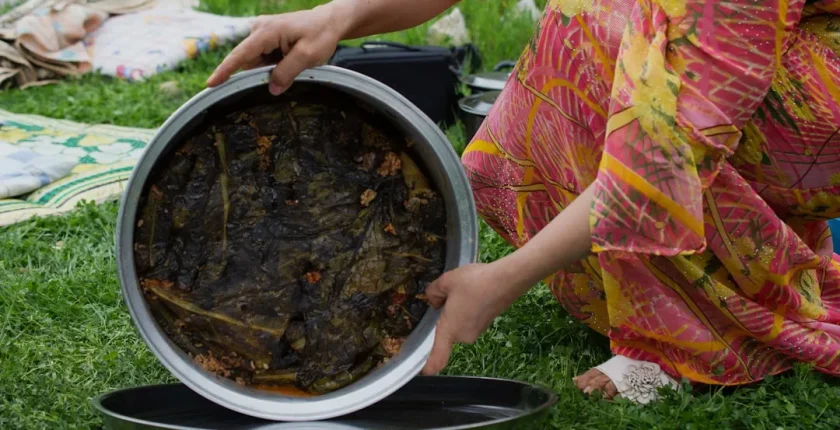
Stuffed Grape Leaves are a beloved culinary tradition in Turkey, steeped in rich history and cultural significance. These delightful bites, filled with a mixture of rice, herbs, and spices, showcase the country’s diverse agricultural heritage and regional flavors. Exploring the preparation techniques and variations across Turkey reveals how different communities have adapted this dish over time. Join us as we delve into the fascinating world of Stuffed Grape Leaves, uncovering their historical roots and the joy they bring to dining tables across the nation.
- 1. History of Stuffed Grape Leaves in Turkey
- 2. Ingredients and Preparation Techniques
- 2.1. Core Ingredients:
- 2.2. Preparation Techniques:
- 3. Cultural Significance and Regional Variations
- 3.1. Regional Variations
- 4. Serving and Enjoying Stuffed Grape Leaves
- 5. Frequently Asked Questions
- 5.1. What are stuffed grape leaves called in Turkey?
- 5.2. What ingredients are typically used in stuffed grape leaves?
- 5.3. How are stuffed grape leaves prepared and served?
- 5.4. What is the significance of stuffed grape leaves in Turkish culture?
History of Stuffed Grape Leaves in Turkey
Stuffed Grape Leaves, or “Yaprak Sarma,” possess a rich history that dates back centuries in Turkey. This beloved dish exemplifies the country’s agricultural heritage and culinary evolution.
- Origins: Historical evidence suggests that stuffed grape leaves may have originated in ancient Mesopotamia, with variations appearing across the Mediterranean. By the time of the Ottoman Empire, they had become a staple in Turkish cuisine.
- Culinary Evolution: Initially, grape leaves were often filled with meat and grains. Over the years, regional variations emerged, adapting to local tastes and available ingredients. Today, vegetarian options with rice, herbs, and spices are equally popular.
- Cultural Significance: Stuffed Grape Leaves symbolize hospitality and community in Turkish culture. Families prepare large quantities for gatherings, reinforcing social bonds.
- Festivals and Celebrations: This dish frequently appears in festive meals, showcasing its significance in Turkish celebrations and gatherings.
In summary, Stuffed Grape Leaves serve not only as a delicious dish but also as an important cultural symbol reflecting Turkey’s rich culinary heritage.


Ingredients and Preparation Techniques
Stuffed Grape Leaves, known as “Yaprak Sarma” in Turkey, feature a delightful combination of flavors and textures. The preparation process involves selecting the right ingredients and mastering various techniques.
Core Ingredients:
- Grape Leaves: Fresh or preserved, they provide the perfect wrap.
- Filling: Typically includes a mixture of:
- Rice: The base of the filling, often mixed with spices.
- Ground Meat: Lamb or beef adds richness (optional).
- Herbs: Fresh dill, parsley, and mint enhance flavor.
- Spices: Cinnamon and allspice offer a unique taste.
- Acid: Lemon juice or tomato paste contributes tanginess.
Preparation Techniques:
- Washing and Soaking: Rinse fresh grape leaves; soak preserved ones in warm water to soften.
- Making the Filling: Cook rice partially and mix with ground meat, herbs, and spices.
- Rolling: Place a spoonful of filling on a leaf, fold sides in, and roll tightly.
- Cooking: Layer stuffed grape leaves in a pot, add water and lemon, then simmer until cooked through.
These techniques result in luscious Stuffed Grape Leaves, embodying the rich culinary heritage of Turkey.
Cultural Significance and Regional Variations
Stuffed grape leaves, or yaprak sarma, hold a cherished place in Turkish culture, symbolizing hospitality and community. Traditionally, families prepare these delectable dishes together, reinforcing bonds and passing down culinary skills through generations.
Regional Variations
Various regions in Turkey offer their unique twists on stuffed grape leaves, showcasing local ingredients and tastes:
- Aegean Region: Typically uses olive oil and herbs, creating a light, vegetarian option.
- Marmara Region: Includes minced meat, rice, and spices, resulting in heartier versions.
- Southeastern Anatolia: Often features spicy ground meat and a blend of regional spices, giving a robust flavor.
These regional distinctions reflect local agricultural practices and historical influences. As such, stuffed grape leaves become much more than a dish—they serve as a tapestry of Turkey’s rich culinary heritage, inviting everyone to savor the diversity of flavors that each region has to offer.
In gatherings and celebrations, stuffed grape leaves often take center stage, uniting family and friends around the table, further emphasizing their role in Turkish culture.
Serving and Enjoying Stuffed Grape Leaves
Stuffed grape leaves not only tantalize the taste buds but also serve as a delightful centerpiece in various dining settings. Here’s how to enjoy this traditional dish:
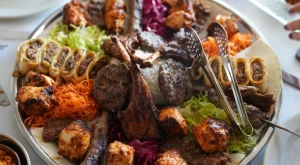
- Presentation: Serve stuffed grape leaves on a large platter, garnished with fresh herbs like dill or parsley. A drizzle of olive oil and a squeeze of lemon enhances their appeal and flavor.
- Accompaniments:
- Pair with yoghurt for creamy contrast.
- Serve with pita bread to add a pleasing texture.
- Use lemons for a zesty kick.
- Serving Styles:
- Appetizer: Enjoy cold or at room temperature as a meze.
- Main Course: Offer warm stuffed grape leaves alongside rice or a fresh salad.
- Cultural Occasions: In Turkey, these delightful bites grace family gatherings, weddings, and festive holidays, symbolizing hospitality and unity.
Overall, stuffed grape leaves carry a rich flavor and a hearty tradition, making them a beloved dish to savor and share with loved ones.

Frequently Asked Questions
What are stuffed grape leaves called in Turkey?
In Turkey, stuffed grape leaves are commonly referred to as ‘dolma’. This term broadly refers to any vegetable that is stuffed, but specifically, when it comes to grape leaves, they are called ‘yaprak sarma’. They are a popular dish in Turkish cuisine and are often served as an appetizer or side dish.
What ingredients are typically used in stuffed grape leaves?
The traditional filling for Turkish stuffed grape leaves usually consists of rice, pine nuts, and various spices like dill and mint. Ground meat, such as lamb or beef, may also be included for a non-vegetarian version. The combination of these ingredients creates a rich and flavorful filling, encapsulated by the tender, slightly tangy grape leaves.
How are stuffed grape leaves prepared and served?
Preparing stuffed grape leaves involves blanching the grape leaves to soften them, preparing the filling separately, and then carefully rolling the leaves around the filling. They are placed in a pot, often layered with slices of lemon for added flavor, and cooked slowly with water or broth. Stuffed grape leaves are typically served warm or at room temperature, often accompanied by yogurt or a lemon wedge.
What is the significance of stuffed grape leaves in Turkish culture?
Stuffed grape leaves hold cultural significance in Turkey, as they are often prepared for special occasions, family gatherings, and celebrations. They embody the spirit of sharing and hospitality that is central to Turkish culture. Additionally, they reflect the agricultural practices of the region, showcasing the use of locally sourced ingredients and traditional cooking methods.