
Discover Authentic Turkish Pasta Recipes for Every Occasion
Unleash your culinary creativity with authentic Turkish pasta recipes that blend rich history and delightful flavors. From traditional to innovative dishes, learn how to create mouth-watering plates perfect for any occasion, including hosting an unforgettable dinner party....

- 1. Exploring the Rich History of Turkish Pasta
- 2. Essential Ingredients for Authentic Turkish Pasta Dishes
- 2.1. Common Add-ins:
- 2.2. Comparison of Pasta Types:
- 3. Step-by-Step Recipes for Traditional Turkish Pasta
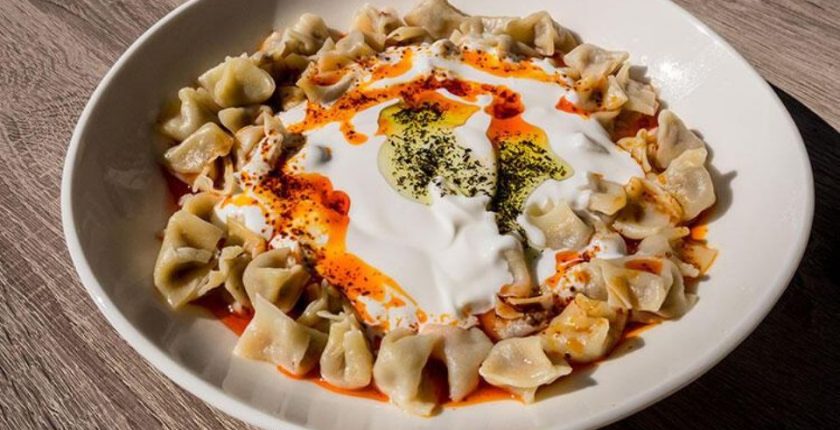
- 3.1. 1. Manti (Turkish Dumplings)
- 3.2. 2. Kesme (Turkish Noodle Dish)
- 4. Creative Twists on Classic Turkish Pasta
- 4.1. Fusion Flavors
- 4.2. Unique Sauces
- 4.3. Ingredient Substitutions
- 5. Hosting the Perfect Turkish Pasta Dinner Party
- 5.1. 1. Create a Warm Ambiance
- 5.2. 2. Select Your Menu
- 5.3. 3. Beverage Pairings
- 5.4. 4. Engage Your Guests
- 5.5. 5. End with Sweetness
- 6. Frequently Asked Questions
- 6.1. What are the key ingredients used in authentic Turkish pasta recipes?
- 6.2. How do I make Turkish pasta from scratch?
- 6.3. Can I find Turkish pasta recipes suitable for vegetarian or vegan diets?
- 6.4. What dishes pair well with Turkish pasta?
- 6.5. Are there regional variations in Turkish pasta recipes?
Turkish cuisine is a vibrant tapestry of flavors and traditions, inviting culinary enthusiasts to explore its depths. Among its many treasures, Turkish pasta recipes stand out, offering a delightful fusion of authentic ingredients and age-old techniques. These dishes not only celebrate the rich history of Turkey but also inspire creativity in the kitchen. Whether you’re preparing for a family gathering or a cozy dinner party, the world of Turkish pasta is sure to impress and satisfy every palate. Join us on this delicious journey as we uncover the secrets behind these beloved recipes.
Exploring the Rich History of Turkish Pasta
Turkish pasta recipes are a delightful blend of history, culture, and innovation. The story of these unique dishes dates back centuries, influenced by diverse culinary traditions that have graced the Anatolian Peninsula. Here’s an inspiring journey through the rich history of Turkish pasta:
- Origins in Central Asia: The roots of pasta in Turkey trace back to nomadic tribes who crafted simple wheat-based noodles. This ancient knowledge gradually spread and evolved into more complex dishes.
- Influence of the Ottoman Empire: The Ottoman Empire played a significant role in shaping Turkish cuisine. As it expanded, it absorbed flavors from Mediterranean and Middle Eastern kitchens, leading to the creation of mouth-watering pasta dishes that showcased local ingredients.
- Regional Variations: Different regions of Turkey have embraced unique styles of pasta. For example, manti from Central Anatolia are small dumplings filled with spiced meat, while erişte—a kind of flat noodle—originates from the Black Sea region.
- Culinary Evolution: Today, Turkish pasta recipes reflect both tradition and modernity. Chefs creatively twist these historical recipes, introducing international flavors while maintaining authenticity.
By exploring these fascinating historical elements, you can deepen your appreciation for Turkish pasta recipes and savor the rich tapestry of culture they represent. So, grab your apron and dive into the delicious world of pasta!

Essential Ingredients for Authentic Turkish Pasta Dishes
To create mouthwatering Turkish Pasta Recipes, selecting high-quality ingredients is paramount. Each component plays a crucial role in capturing the essence of traditional flavors, ensuring every dish is a true reflection of Turkish culinary art. Here’s a closer look at the essential ingredients:
- Flour: Use strong bread flour or durum wheat flour for a chewy texture.
- Eggs: Fresh eggs add richness and color, making your pasta not only tasty but visually appealing.
- Salt: A fundamental seasoning that elevates the pasta flavor. Use it sparingly but effectively.
- Olive Oil: This enhances dough elasticity and contributes a subtle flavor.
Common Add-ins:
- Spinach or Beetroot: For colored pasta, blend these into the dough.
- Tomato Paste: For rich, savory flavors in sauces.
- Spices: Sumac, paprika, and black pepper can add depth to dishes.
Comparison of Pasta Types:
| Pasta Type | Texture | Cooking Time | Best With |
|---|---|---|---|
| Manti | Soft & Tender | 10 minutes | Yogurt sauce, herbs |
| Ravioli | Chewy | 15 minutes | Creamy mushroom sauce |
| Noodles (Erişte) | Light & Airy | 5 minutes | Tomato sauce, vegetables |
Embrace the passion of Turkish Pasta Recipes, and let these essential ingredients guide you toward delicious creations full of authentic character. Each dish you prepare will tell a story, connecting you with the rich history of Turkish cuisine. 🌟
Step-by-Step Recipes for Traditional Turkish Pasta
Unleash the flavors of Turkish cuisine by crafting traditional Turkish pasta recipes that celebrate its rich heritage. Here are two delightful recipes you can easily make at home:
1. Manti (Turkish Dumplings)
Ingredients:
- 2 cups all-purpose flour
- 1 egg
- 1/2 cup water
- 1 cup minced meat (lamb or beef)
- 1 onion, finely chopped
- Salt and pepper to taste
- Yogurt and melted butter for serving
Instructions:
- Make the Dough: Mix flour, egg, and water in a bowl. Knead the dough for about 5-10 minutes until smooth. Cover and let it rest for 30 minutes.
- Prepare the Filling: Combine minced meat, onion, salt, and pepper. Mix thoroughly.
- Shape the Dumplings: Roll out the dough into thin sheets. Cut into squares. Place a teaspoon of filling in each square and fold to shape. Pinch the edges to seal.
- Cook: Boil water in a pot and cook the manti for about 10 minutes until they float.
- Serve: Drizzle with melted butter and a dollop of yogurt.
2. Kesme (Turkish Noodle Dish)
Ingredients:
- 2 cups semolina flour
- 1 egg
- 1/4 cup water
- Chicken or beef for broth
- Fresh herbs for garnish
Instructions:
- Prepare Noodles: Mix flour, egg, and water. Roll out and cut into strips.
- Cook Noodles: Boil in broth until al dente.
- Serve: Garnish with fresh herbs for a burst of flavor.
These step-by-step recipes showcase the simplicity and richness of Turkish pasta recipes, perfect for any culinary occasion. Dive in and enjoy the traditions of Turkish cuisine!
Creative Twists on Classic Turkish Pasta
When it comes to Turkish Pasta Recipes, creativity knows no bounds! While traditional dishes hold a special place in our hearts, adding a modern twist can make your meals even more exciting. Here’s how to reinvent classic Turkish pasta with flair:
Fusion Flavors
- Spicy Cheese Manti: Elevate this traditional dumpling by incorporating jalapeños and a blend of cheddar and mozzarella. The heat complements the savory filling beautifully.
- Mediterranean Veggie Tortellini: Incorporate sun-dried tomatoes, olives, and feta cheese into your filling. This refreshing combo bursts with flavors reminiscent of a Mediterranean escape.
Unique Sauces
- Avocado Yogurt Sauce: Blend ripe avocados with yogurt, garlic, and lemon juice for a creamy, healthy alternative to classic sauces—perfect for topping your Turkish Pasta Recipes!
- Cilantro Pesto: Swap basil for cilantro to create a zesty pesto. Mix it with walnuts and olive oil for a fresh, herbaceous sauce that enhances the dish.
Ingredient Substitutions
- Whole Wheat or Lentil Pasta: Choose whole wheat or lentil-based pasta for a healthier dish loaded with fiber and protein.
- Veggie-Loaded Sauce: Blend sautéed zucchini, peppers, and spinach into your tomato sauce to elevate its nutritional profile and taste.
By experimenting with these innovative ideas, you’ll open new culinary doors while honoring the essence of Turkish Pasta Recipes. Embrace the adventure of cooking and surprise your family and friends with delightful flavors!
Hosting the Perfect Turkish Pasta Dinner Party
Hosting a dinner party featuring Turkish Pasta Recipes is not just about the food; it’s about creating an experience that celebrates the rich flavors and rich culture of Turkey. Here’s how to set the stage for a memorable evening:
1. Create a Warm Ambiance
- Lighting: Use soft, warm lighting. Candles can add a romantic touch.
- Decor: Opt for traditional Turkish textiles or simple white tableware with colorful accents.
2. Select Your Menu
- Choose a variety of Turkish Pasta Recipes. Here are a few crowd-pleasers:
- Manti: Tiny dumplings with lamb or beef, served with yogurt and garlic.
- Börek: Crispy pastry filled with cheese or spinach.
- Fettucine in Tomato Sauce: A twist with Turkish spice notes.
- Consider incorporating side dishes like a fresh salad or grilled vegetables.
3. Beverage Pairings
- Serve Turkish tea or Rakı, a traditional Turkish drink that pairs well with many pasta dishes.
4. Engage Your Guests
- Encourage guests to help with cooking or serve dishes; this involvement makes the evening even more enjoyable.
5. End with Sweetness
- Finish off on a sweet note with Baklava or a classic Turkish delight, ensuring the evening ends on a high.
By following these tips, you’ll create an enchanting atmosphere where Turkish Pasta Recipes shine, and your guests leave with lasting memories. Happy hosting!
Frequently Asked Questions
What are the key ingredients used in authentic Turkish pasta recipes?
Turkish pasta, known as “makarna”, boasts a variety of key ingredients that bring authenticity to the dishes. Commonly, you’ll find flour, eggs, and water as the foundational components. However, regional variations might include unique spices and herbs like thyme or dill, which enhance the flavor profile. Additionally, you can incorporate local vegetables, meats, and cheeses, making each dish a delicious reflection of Turkish culinary traditions.
How do I make Turkish pasta from scratch?
Making Turkish pasta from scratch is a fulfilling experience that connects you to a rich cultural heritage. Begin by creating a well with flour on a clean surface, adding in eggs and a pinch of salt. Gradually mix the flour into the eggs until a dough forms. Knead the dough until it is smooth and elastic, letting it rest for at least half an hour. Roll it out, cut it into your desired shape, and then you can cook it in boiling water to create a delightful meal that celebrates your culinary skills!
Can I find Turkish pasta recipes suitable for vegetarian or vegan diets?
Absolutely! Turkish cuisine offers a marvelous array of pasta recipes that can easily be adapted to suit vegetarian or vegan diets. From simple vegetable-based sauces featuring eggplant, zucchini, or bell peppers, to heartier dishes utilizing lentils and chickpeas, there’s something for everyone. Many recipes allow for the omission of dairy while still delivering a flavor-packed experience. Don’t hesitate to experiment with plant-based ingredients to make a delightful Turkish meal!
What dishes pair well with Turkish pasta?
Turkish pasta presents a versatile canvas, welcoming a spectrum of delightful pairings. Consider serving it alongside a vibrant tomato-based sauce, infused with garlic, onions, and a medley of herbs. Additionally, grilled meats marinated in Turkish spices or a fresh, zesty salad made of cucumbers, tomatoes, and onions complement the pasta beautifully. For a richer experience, a dollop of yogurt or a sprinkling of feta cheese creates a luscious contrast with every bite.
Are there regional variations in Turkish pasta recipes?
Yes, Turkish pasta has a rich tapestry of regional variations that reflect local ingredients and cooking techniques. For instance, in the southeastern region of Gaziantep, you’ll find dishes featuring spicy meat sauces, while areas like Aegean coastal regions focus on lighter, vegetable-based pastas. Each region brings its own flair, influenced by cultural traditions and available resources, allowing you to explore a diverse range of flavors and textures in Turkish pasta recipes!