A Guide to Authentic Turkish Cuisine: Tips and Recipes
Immerse yourself in the rich and diverse world of Turkish cuisine, a culinary tradition that has captivated food lovers across the globe. Known for its vibrant flavors and unique combinations of spices, Turkish cuisine offers a delightful journey through essential ingredients, traditional cooking methods, and a variety of popular dishes....


Immerse yourself in the rich and diverse world of Turkish cuisine, a culinary tradition that has captivated food lovers across the globe. Known for its vibrant flavors and unique combinations of spices, Turkish cuisine offers a delightful journey through essential ingredients, traditional cooking methods, and a variety of popular dishes. In this guide, we will explore the art of preparing authentic meals, from savory main courses to irresistible desserts and beverages, ensuring you bring the true essence of Turkish cuisine into your kitchen.
- 1. Essential Ingredients in Turkish Cooking
- 1.1. Comparison of Key Ingredients
- 2. Traditional Cooking Methods
- 3. Popular Turkish Dishes to Try
- 4. Tips for Preparing Authentic Turkish Meals
- 5. Must-Try Turkish Desserts and Beverages
- 5.1. Desserts
- 5.2. Beverages
- 6. Frequently Asked Questions
- 6.1. What are some essential ingredients in Turkish cuisine?
- 6.2. What are traditional Turkish dishes one should try?
- 6.3. How can I ensure the authenticity of a Turkish recipe?
- 6.4. Is Turkish cuisine healthy?
- 6.5. Can I find Turkish cooking classes to improve my skills?
Essential Ingredients in Turkish Cooking
To truly appreciate Turkish Cuisine, one must understand its essential ingredients, which reflect the region’s history and agricultural richness. Here are some key components that define authentic Turkish cooking:
- Olive Oil: A staple fat used for sautéing and drizzling, olive oil enhances the flavors of many dishes.
- Yogurt: Creamy and tangy, yogurt is often served as a side dish or used as a marinade, making it an indispensable ingredient in Turkish Cuisine.
- Tomatoes: Fresh or sun-dried, tomatoes add a burst of flavor to salads, stews, and sauces.
- Spices: Spices like cumin, paprika, and sumac bring warmth and depth to dishes, while a mix of herbs such as parsley and dill adds freshness.
- Rice and Bulgur: These grains serve as a base for many dishes, with bulgur often used in pilafs and salads, showcasing the flexibility of Turkish Cuisine.
Comparison of Key Ingredients
| Ingredient | Use in Turkish Cuisine | Flavor Profile |
|---|---|---|
| Olive Oil | Frying, drizzling | Smooth, fruity |
| Yogurt | Dipping, marinating | Tangy, creamy |
| Tomatoes | Sauces, salads | Sweet, acidic |
| Spices | Seasoning, flavor enhancer | Earthy, aromatic |
| Rice and Bulgur | Main dishes, side dishes | Neutral, subtly nutty |
In conclusion, these essential ingredients form the backbone of Turkish Cuisine, making it rich, diverse, and unforgettable.

Traditional Cooking Methods
Turkish Cuisine boasts a rich history that reflects its diverse cultural influences and regional variations. Understanding the traditional cooking methods essential to Turkish cooking can greatly enhance your culinary experience. Here are some of the most common techniques used in preparing Turkish dishes:
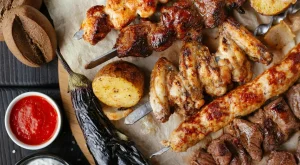
- Grilling (Mangal): Grilling is a popular method in Turkish Cuisine, especially for meats. Known as “mangal,” this technique imparts a smoky flavor that is cherished in kebabs, lamb, and chicken dishes.
- Baking (Fırında): Many Turkish dishes are prepared in the oven. Bread, pastries, and various casseroles, such as börek and kumpir, are often baked to create crispy textures and robust flavors.
- Stewing (Tandır): Slow-cooking in a tandır oven delivers tender and flavorful results. This method is often used for meat dishes, allowing flavors to meld beautifully over several hours.
- Boiling (Kaynatma): This method is common for legumes, soups, and stews. Ingredients such as lentils, rice, and vegetables are boiled to achieve the desired consistency and flavor.
- Sautéing (Sote): Sautéing vegetables and spices in olive oil is a fundamental step in many Turkish recipes. This technique enhances flavors and brings out the natural aromas of the ingredients.
Incorporating these traditional cooking methods into your dishes allows you to experience the essence of Turkish Cuisine authentically. The blending of flavors and techniques makes every meal a delectable journey through Turkey’s culinary landscape.
Popular Turkish Dishes to Try
Turkish Cuisine boasts a diverse selection of flavorful dishes that reflect the rich cultural heritage of the region. Here are some must-try dishes that will transport your taste buds to Turkey:
- Kebabs: A staple of Turkish cuisine, kebabs come in various forms, such as:
- Adana Kebab: Spicy minced meat skewered and grilled, originating from the city of Adana.
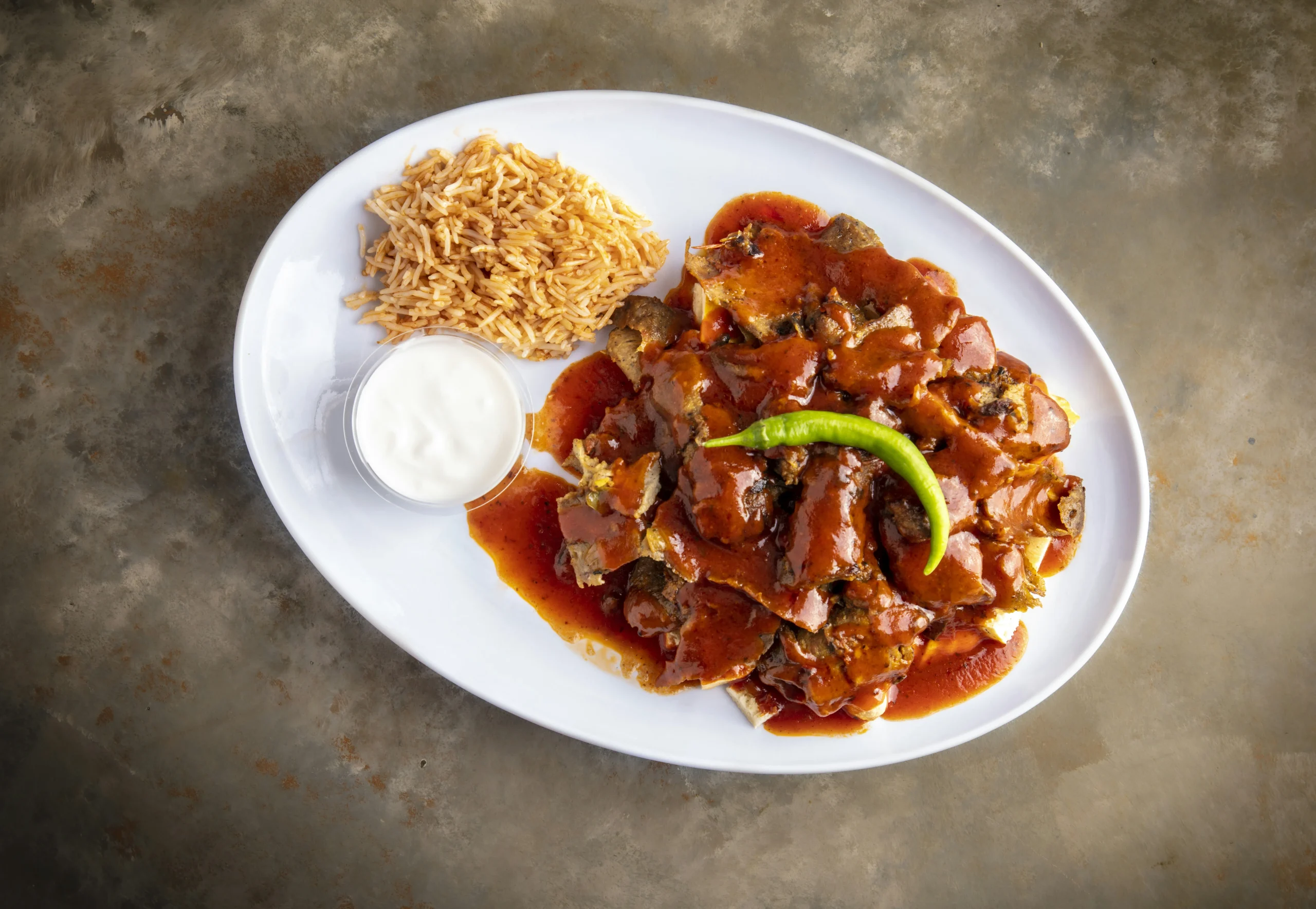
- Döner Kebab: Slices of marinated meat, usually lamb or chicken, cooked on a vertical rotisserie.
- Mezes: Perfect for sharing, mezes are small dishes served as appetizers. Popular choices include:
- Hummus: A creamy chickpea dip, often garnished with olive oil and paprika.
- Haydari: A yogurt-based dip seasoned with garlic and herbs.
- Pide: Often referred to as Turkish pizza, pide features a boat-shaped flatbread topped with various ingredients, such as minced meat, cheese, or vegetables.
- Börek: A delightful pastry made from layers of thin dough and filled with ingredients like spinach, cheese, or minced meat, börek is perfect for any meal.
- Lahmacun: Sometimes called Turkish flatbread, it consists of a thin crust topped with minced meat, tomatoes, and spices.
Exploring these dishes captures the essence of Turkish cuisine and offers a taste of the country’s culinary traditions. Enjoying authentic Turkish meals allows you to appreciate the unique flavors and techniques that make this cuisine truly special.
Tips for Preparing Authentic Turkish Meals
Preparing authentic Turkish Cuisine offers a delicious blend of flavors and traditions. Follow these practical tips to enhance your cooking experience:
- Use Fresh Ingredients: Select fresh vegetables, herbs, and spices. Authentic Turkish meals rely on the freshness of ingredients such as tomatoes, bell peppers, parsley, and mint.
- Incorporate Regional Spices: Utilize spices like cumin, paprika, and sumac to bring out the unique flavors of Turkish Cuisine. These spices serve as the backbone of many traditional dishes.
- Utilize Cooking Techniques: Embrace traditional cooking methods such as grilling, braising, and frying. For instance, kebabs benefit significantly from being grilled over an open flame, which imparts a smoky flavor.
- Take Time to Marinate: Marinate meats and vegetables to enhance tenderness and flavor. Popular marinades often include yogurt, lemon juice, and olive oil, which are staples in Turkish Cuisine.
- Present Beautifully: Turkish meals are often served family-style. Arrange dishes in vibrant colors to create a visually appealing presentation that reflects the richness of Turkish Cuisine.
- Experiment with Meze: Start with small plates called meze, which heartily enjoy sharing with friends and family. This encourages a communal dining experience, central to Turkish dining culture.
By implementing these tips, you’ll bring authenticity and depth to your Turkish meals, sharing a piece of Turkey with every bite.

Must-Try Turkish Desserts and Beverages
Turkish Cuisine is renowned not only for its savory dishes but also for its delightful desserts and beverages. These sweet treats and drinks offer a glimpse into the rich culinary heritage of Turkey. Here are some must-try items that will surely satisfy your cravings:
Desserts
- Baklava: Layers of flaky pastry filled with nuts and drizzled with honey syrup. This classic dish is a highlight of Turkish Cuisine.
- Kunefe: A delicious dessert made from shredded pastry soaked in syrup and layered with cheese. It’s warm, sweet, and utterly delectable.
- Sütlaç: Turkish rice pudding, creamy and often dusted with cinnamon. This comforting dessert appeals to all ages.
Beverages
- Turkish Coffee: Strong and aromatic, served in small cups. The preparation method involves finely ground coffee simmered with water and sugar, embodying the essence of Turkish hospitality.
- Ayran: A refreshing yogurt drink that balances the richness of Turkish Cuisine. It pairs perfectly with spicy dishes.
- Şalgam: A unique turnip juice, often enjoyed with kebabs, providing a tangy contrast to the flavors of traditional meals.
In summary, indulging in these desserts and beverages is a delightful way to experience the sweetness of Turkish Cuisine. So, do not miss out on these culinary treasures when exploring Turkish food culture!
Frequently Asked Questions
What are some essential ingredients in Turkish cuisine?
Turkish cuisine is known for its diverse and rich flavors, featuring a variety of essential ingredients. Key staples include olive oil, rice, bulgur, and fresh herbs such as parsley and dill. Vegetables like eggplant, peppers, and tomatoes are commonly used, alongside proteins such as lamb, chicken, and seafood. Additionally, spices like cumin, paprika, and sumac play a vital role in elevating the flavors of Turkish dishes, making these ingredients fundamental for anyone looking to recreate authentic Turkish cuisine.
What are traditional Turkish dishes one should try?
When exploring Turkish cuisine, there are numerous traditional dishes that should not be missed. Some iconic dishes include Kebabs, which consist of marinated meats skewered and grilled to perfection, and Dolma, which refers to grape leaves stuffed with rice, pine nuts, and spices. Another must-try is Meze, a selection of small dishes served as appetizers, often including hummus, baba ganoush, and assorted salads. Furthermore, don’t forget to sample the popular dessert Baklava, a sweet pastry made of layers of phyllo dough filled with nuts and honey syrup.
How can I ensure the authenticity of a Turkish recipe?
To ensure the authenticity of a Turkish recipe, focus on using traditional ingredients and cooking techniques that have been passed down through generations. Research is key; look for recipes from reputable sources or genuine Turkish cookbooks. Pay attention to the regional variations of dishes, as Turkey’s diverse geography influences its cuisine. Additionally, if possible, consult with native Turkish cooks or food enthusiasts who can provide insights and tips on preserving the cultural integrity of the recipes you endeavor to try.
Is Turkish cuisine healthy?
Turkish cuisine offers a variety of healthy options, emphasizing fresh vegetables, lean meats, and whole grains. Dishes often feature an abundance of salads and mezes made with seasonal ingredients. Healthy fats, such as olive oil, are commonly used in preparation, supporting heart health. Furthermore, the use of spices not only adds flavor but also comes with various health benefits. While some dishes, like pastries, can be indulgent, the overall balance of ingredients in Turkish cuisine contributes to a wholesome diet when enjoyed in moderation.
Can I find Turkish cooking classes to improve my skills?
Yes, there are numerous options for Turkish cooking classes available worldwide, both in-person and online. Many cooking schools and cultural centers host workshops focused on authentic Turkish cuisine, where participants can learn about traditional recipes and cooking methods. Additionally, various culinary websites and platforms offer virtual classes hosted by experienced chefs from Turkey. Engaging in these classes not only enhances your cooking skills but also deepens your understanding of Turkish culture and culinary heritage.