Unveiling the Delights of Turkish Food: More Than Just Kebabs
Turkish food is a vibrant tapestry woven from centuries of cultural influences, making it far more than just kebabs. This cuisine boasts a rich history, essential ingredients, and a variety of traditional dishes that reflect the diverse heritage of Turkey. From the communal experience of meze to mouthwatering desserts, exploring...


Turkish food is a vibrant tapestry woven from centuries of cultural influences, making it far more than just kebabs. This cuisine boasts a rich history, essential ingredients, and a variety of traditional dishes that reflect the diverse heritage of Turkey. From the communal experience of meze to mouthwatering desserts, exploring the delights of Turkish food reveals a culinary world full of flavors and textures waiting to be discovered. Join us on a journey to unveil the true essence of this remarkable cuisine.
- 1. A Brief History of Turkish Cuisine
- 2. Essential Ingredients in Turkish Cooking
- 3. Popular Traditional Dishes Beyond Kebabs
- 4. The Role of Meze in Turkish Dining
- 4.1. Characteristics of Meze
- 4.2. Popular Meze Dishes
- 5. Sweet Delicacies: Desserts You Must Try
- 6. Frequently Asked Questions
- 6.1. What are some traditional Turkish dishes to try besides kebabs?
- 6.2. What beverages pair well with Turkish food?
- 6.3. How are Turkish desserts different from those in other cultures?
- 6.4. Is Turkish food healthy, and what are its nutritional benefits?
- 6.5. How can I experience authentic Turkish food at home?
A Brief History of Turkish Cuisine
Turkish food boasts a rich history that reflects the diverse cultures and traditions that shaped Turkey. Influences from various regions have contributed to the unique flavors and dishes characteristic of Turkish cuisine today. Here’s a closer look at the evolution of Turkish food:
- Ottoman Empire Influence: The Ottoman Empire (1299-1922) significantly impacted Turkish food, incorporating ingredients from different cultures across Europe, Asia, and the Middle East. This integration led to a refined cooking style that emphasized the use of spices and herbs.
- Regional Diversity: Each region in Turkey brings its own distinctive flavors. For instance:
- Aegean Region: Known for its olive oil-based dishes and fresh vegetables.
- Marmara Region: Famed for seafood and a combination of both Asian and European flavors.
- Southeast Anatolia: Rich in spices, this area emphasizes meat dishes like kebabs and stews.
- Traditional Influences: Despite modernization, traditional cooking methods remain central. Home-cooked meals emphasize fresh ingredients, seasonal produce, and family recipes passed down through generations.
Thus, Turkish food is more than just kebabs; it encapsulates centuries of history, tradition, and regional diversity. Each bite tells a story of the culture and peoples who have contributed to this vibrant culinary landscape.

Essential Ingredients in Turkish Cooking
Turkish food is a rich tapestry woven from diverse ingredients that reflect the country’s geography and history. At the heart of Turkish cooking lies a variety of essential ingredients, each bringing unique flavors and textures to the table. Here are some key components that define this vibrant cuisine:
- Olive Oil: Used extensively in cooking and dressings, high-quality olive oil adds a rich flavor base to many dishes.
- Fresh Herbs: Parsley, dill, mint, and thyme are staples in Turkish food, enhancing dishes with fresh and aromatic notes.
- Tomatoes: Both fresh and sun-dried, tomatoes serve as a primary ingredient in sauces, stews, and salads, providing a tangy sweetness.
- Yogurt: This creamy staple accompanies many Turkish dishes. It serves as a cooling agent alongside spicy meals or as a base in sauces.
- Spices: Common spices include cumin, paprika, and sumac, which add depth and character to various recipes.
- Grains: Bulgur and rice form the backbone of many dishes, providing a hearty and satisfying component.
The combination of these ingredients allows Turkish food to stand out not only for its flavors but also for its nutritional value. Exploring these essential elements provides a gateway to understanding the beauty of Turkish culinary traditions. As you delve into this cuisine, you’ll discover that each ingredient serves a purpose, enhancing the experience of every meal enjoyed.
Popular Traditional Dishes Beyond Kebabs
Turkish food offers a rich tapestry of flavors and textures, far beyond the well-known kebabs. Here are some traditional dishes that highlight the diversity and depth of Turkish cuisine:
- Meze Plates: Small appetizers served cold or hot, mezes include dishes like hummus, dolmas (stuffed grape leaves), and fava (pureed broad beans). Mezes encourage sharing, making them a delightful addition to any meal.
- Pide: Often referred to as Turkish pizza, pide consists of a boat-shaped dough filled with various ingredients such as spicy minced meat, cheese, or vegetables. Each region boasts its style, offering unique toppings.
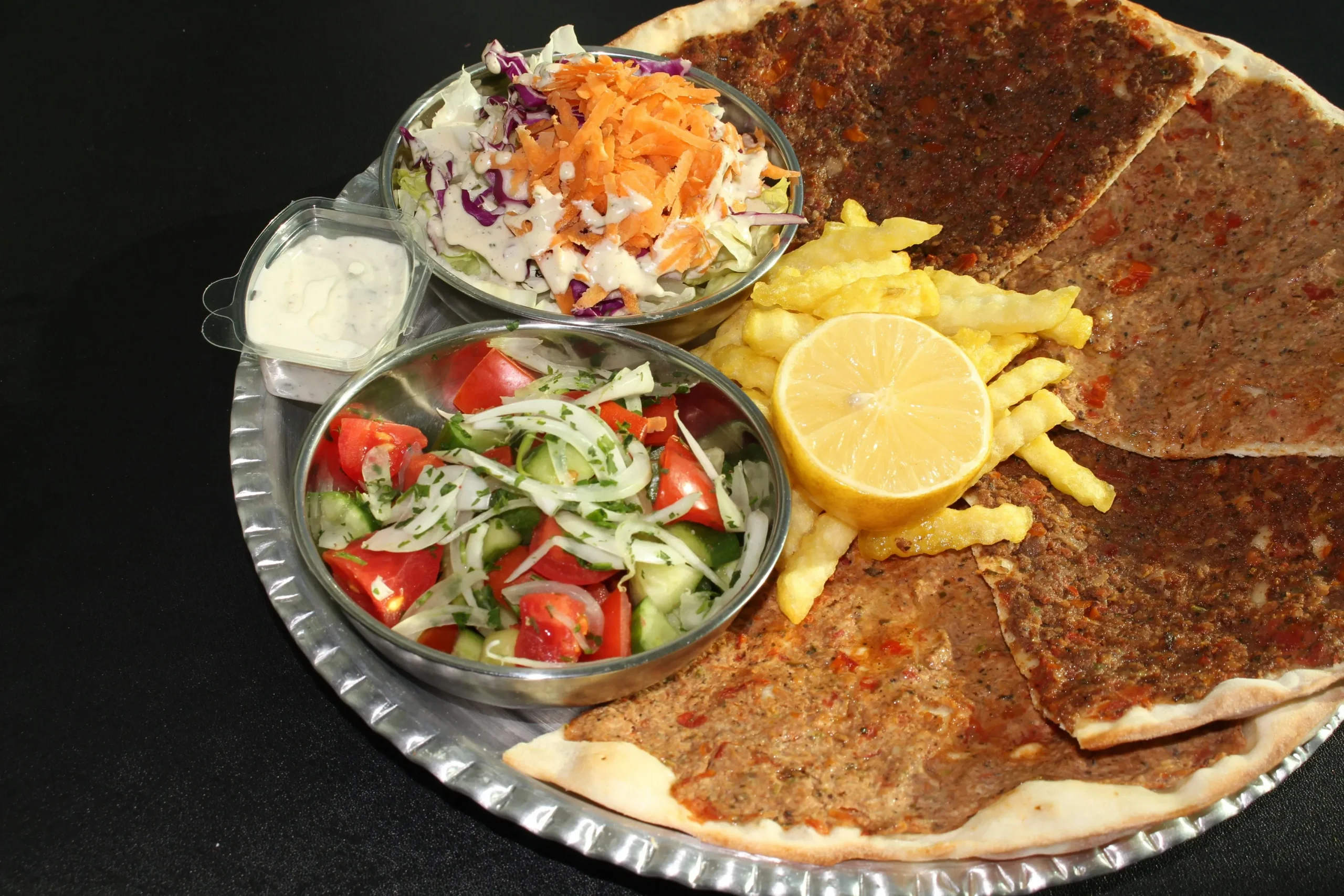
- Lahmacun: A thin pastry topped with a mixture of minced meat, vegetables, and spices. Lahmacun is often rolled up and served with fresh herbs and lemon, providing a refreshing contrast to the savory flavors.
- Manti: These Turkish dumplings resemble Chinese dumplings but have their own unique twist. Stuffed with spiced meat and served with yogurt and garlic sauce, manti are a warm and comforting dish.
- Börek: Made with thin layers of dough, börek is filled with ingredients such as cheese, spinach, or minced meat. Each bite offers a satisfying crunch followed by delightful flavors.
While kebabs are iconic, exploring these dishes reveals the true essence of Turkish food and its ability to impress taste buds around the world. Enjoy diving into this culinary adventure!
The Role of Meze in Turkish Dining
Meze, a cornerstone of Turkish food culture, serves as an appetizer or a small dish that delights the senses and sets the stage for the main course. Traditionally, meze consists of various cold or hot dishes, showcasing the rich flavors and diversity of Turkish cuisine.
Characteristics of Meze
- Variety: Meze includes a wide selection of dishes such as hummus, baba ghanoush, olives, and stuffed grape leaves. These small plates offer a glimpse into the region’s culinary mastery.
- Social Dining: Sharing meze among friends or family promotes a communal atmosphere. It allows diners to sample multiple flavors, enhancing the overall dining experience.
- Seasonal Ingredients: Turkish food emphasizes fresh ingredients. Mezes often use seasonal vegetables, herbs, and spices, which contribute to their vibrant taste.
Popular Meze Dishes
| Dish | Description |
|---|---|
| Hummus | Creamy chickpea dip |
| Ezme | Spicy tomato and pepper salad |
| Muhammara | Walnut and red pepper spread |
| Dolma | Rice-stuffed grape leaves |
In essence, meze establishes an inviting dining ritual, bridging the gap between individual dishes and the communal joy of sharing Turkish food. Each bite provides not only nourishment but a cultural experience steeped in tradition.
Sweet Delicacies: Desserts You Must Try
Turkish food is renowned for its savory dishes, but its desserts are equally delightful and worth exploring. Here are some must-try sweet treats that beautifully represent the richness of Turkish cuisine:
- Baklava: This iconic pastry layers phyllo dough with chopped nuts, typically pistachios or walnuts, and sweetened with honey or syrup. Each bite offers a perfect balance of crunchy and chewy textures.
- Künefe: A decadent dessert made with thinly shredded dough known as kataifi, filled with melted cheese, and soaked in sweet syrup. Traditionally served hot, künefe dazzles with its crispy exterior and gooey interior.
- Turkish Delight (Lokum): A chewy confectionery flavored with rosewater, lemon, or pomegranate. These delightful cubes are often dusted with powdered sugar or coconut, making them perfect to share after a meal.
- Sütlaç: A creamy rice pudding, sütlaç features a delicate hint of vanilla, slightly charred on top to add a smoky flavor. It’s a comforting dessert enjoyed by many.
- Revani: A semolina sponge cake soaked in syrup and often garnished with coconut or nuts. Its fluffy texture and sweet flavor make revani a crowd favorite.
These sweet delicacies not only satisfy your cravings but also showcase the diversity within Turkish food. Don’t miss the chance to indulge in these treats during your culinary journey through Turkey!
Frequently Asked Questions
What are some traditional Turkish dishes to try besides kebabs?
Turkish cuisine offers a plethora of traditional dishes that extend far beyond kebabs. For example, you should try ‘Meze’, a selection of small dishes served as appetizers, which can include items such as ‘Dolma’ (stuffed grape leaves), ‘Baba Ghanoush’ (smoky eggplant dip), and various cheeses. Another must-try is ‘Manti’, which are Turkish dumplings typically filled with spiced meat and served with yogurt and garlic sauce. Additionally, dishes like ‘Pide’, a Turkish pizza with various toppings, and ‘Börek’, flaky pastry filled with cheese, spinach, or meat, highlight the rich culinary diversity of Turkey.
What beverages pair well with Turkish food?
To complement the flavors of Turkish cuisine, traditional beverages play a key role. ‘Ayran’, a refreshing yogurt-based drink, is commonly enjoyed with meals, particularly grilled meats. For those looking for something sweeter, ‘Şalgam’, a fermented drink made from turnips, adds a unique tanginess. Moreover, ‘Rakı’, an anise-flavored alcoholic drink, is a classic choice, often sipped alongside meals and particularly popular during social gatherings. For dessert, pairing Turkish coffee or ‘Çay’ (tea) enhances the dining experience, providing a warm and aromatic finish to the meal.
How are Turkish desserts different from those in other cultures?
Turkish desserts are distinctively rich and often incorporate unique ingredients such as nuts, syrup, and yogurt. Traditional sweets like ‘Baklava’ feature layers of phyllo pastry filled with crushed nuts and sweetened with honey or syrup, offering a delightful combination of textures. Another favorite is ‘Künefe’, a sweet cheese pastry soaked in syrup, which is garnished with pistachios. Unlike many Western desserts that may focus on cakes or cookies, Turkish desserts frequently highlight fresh ingredients and aromatic spices, reflecting the cultural heritage and culinary diversity of the region.
Is Turkish food healthy, and what are its nutritional benefits?
Turkish cuisine can be healthy as it often emphasizes fresh, seasonal ingredients such as vegetables, legumes, and whole grains. Frequently used vegetation includes tomatoes, eggplants, and peppers, which provide essential vitamins and minerals. Dishes such as ‘Lentil Soup’ and salads, particularly ‘Çoban Salata’, offer balanced nutrition and are rich in fiber. Moreover, the use of olive oil as a primary fat source contributes to heart health due to its monounsaturated fats. While some dishes are rich and indulgent, the balance of ingredients and the prevalence of lean meats and greens in Turkish cooking lend themselves to a healthy diet.
How can I experience authentic Turkish food at home?
Experiencing authentic Turkish cuisine at home can be achieved through several methods. First, consider sourcing quality ingredients such as Turkish spices, olive oil, and fresh produce, which you can find at local Middle Eastern or Mediterranean markets. You can explore various recipes for traditional dishes like ‘Lahmacun’ (Turkish flatbread with meat topping) or ‘Köfte’ (meatballs) to recreate authentic meals. Watching online cooking classes or tutorials can enhance your skills and knowledge about techniques and flavor profiles typical in Turkish cooking. Lastly, inviting friends or family for a Turkish dinner night, complete with meze and desserts, can further immerse you in the culinary experience.