Mastering Turkish Rice Pilav: Secrets for Fluffy Perfection
Turkish Rice Pilav is a beloved staple in Turkish cuisine, known for its fluffy texture and rich flavor. Mastering this dish involves understanding the essential techniques and ingredients that elevate it from ordinary to extraordinary. From selecting the right type of rice to the importance of soaking and rinsing, each...

Turkish Rice Pilav is a beloved staple in Turkish cuisine, known for its fluffy texture and rich flavor. Mastering this dish involves understanding the essential techniques and ingredients that elevate it from ordinary to extraordinary. From selecting the right type of rice to the importance of soaking and rinsing, each step plays a crucial role in achieving that perfect consistency. Whether you’re preparing it for a special occasion or a delightful everyday meal, these secrets of Turkish Rice Pilav will guide you toward creating a comforting and delicious dish that impresses every palate.
- 1. Understanding Turkish Rice Pilav
- 1.1. Key Characteristics:
- 1.2. Cultural Significance:
- 1.3. Why It Stands Out:
- 2. Essential Ingredients for the Perfect Rice
- 2.1. Comparison of Fat Options:
- 3. Choosing the Right Type of Rice
- 4. The Importance of Soaking and Rinsing
- 4.1. Why Soak?
- 4.2. Why Rinse?
- 4.3. Steps to Rinse and Soak:
- 5. Step-by-Step Cooking Techniques
- 6. Flavor Enhancements and Variations
- 6.1. Popular Variations
- 7. Tips for Serving and Storing Rice Pilav
- 7.1. Serving Tips
- 7.2. Storing Tips
- 8. Frequently Asked Questions
- 8.1. What type of rice is best for making Turkish rice pilav?
- 8.2. How do I achieve the ideal fluffiness in my rice pilav?
- 8.3. Can I add vegetables or meat to my Turkish rice pilav?
- 8.4. What is the best way to store leftover Turkish rice pilav?
- 8.5. How can I enhance the flavor of my Turkish pilav?
Understanding Turkish Rice Pilav
Turkish Rice Pilav stands as a beloved staple in Turkish cuisine, celebrated for its fluffy texture and rich flavors. Unlike other rice dishes, the secret to achieving the perfect Turkish Rice Pilav lies in its preparation and careful selection of ingredients.
Key Characteristics:
- Texture: Fluffiness is paramount. Each grain should remain separate, creating a light and airy dish.
- Flavor: Traditional Turkish Rice Pilav often incorporates butter or olive oil, enhancing its richness.
- Aroma: Incorporating spices and aromatics, such as onions or bay leaves, adds an enticing fragrance.
Cultural Significance:
Turkish Rice Pilav holds cultural importance in Turkey, typically served alongside meats and stews, making it a versatile companion to many meals. It often appears during special celebrations, symbolizing hospitality and abundance.

Why It Stands Out:
What differentiates Turkish Rice Pilav from other rice dishes is its cooking method. The usage of broth, along with the sautéing of rice before boiling, contributes to its unique flavor profile and sumptuous texture.
In summary, mastering the art of Turkish Rice Pilav requires understanding its foundational elements, ensuring a delightful experience with every serving. By focusing on quality ingredients and the right techniques, anyone can create this exquisite dish that completes a perfect Turkish meal.
Essential Ingredients for the Perfect Rice
To master Turkish Rice Pilav, selecting the right ingredients is crucial for achieving that fluffy, aromatic texture. Here’s what you need:
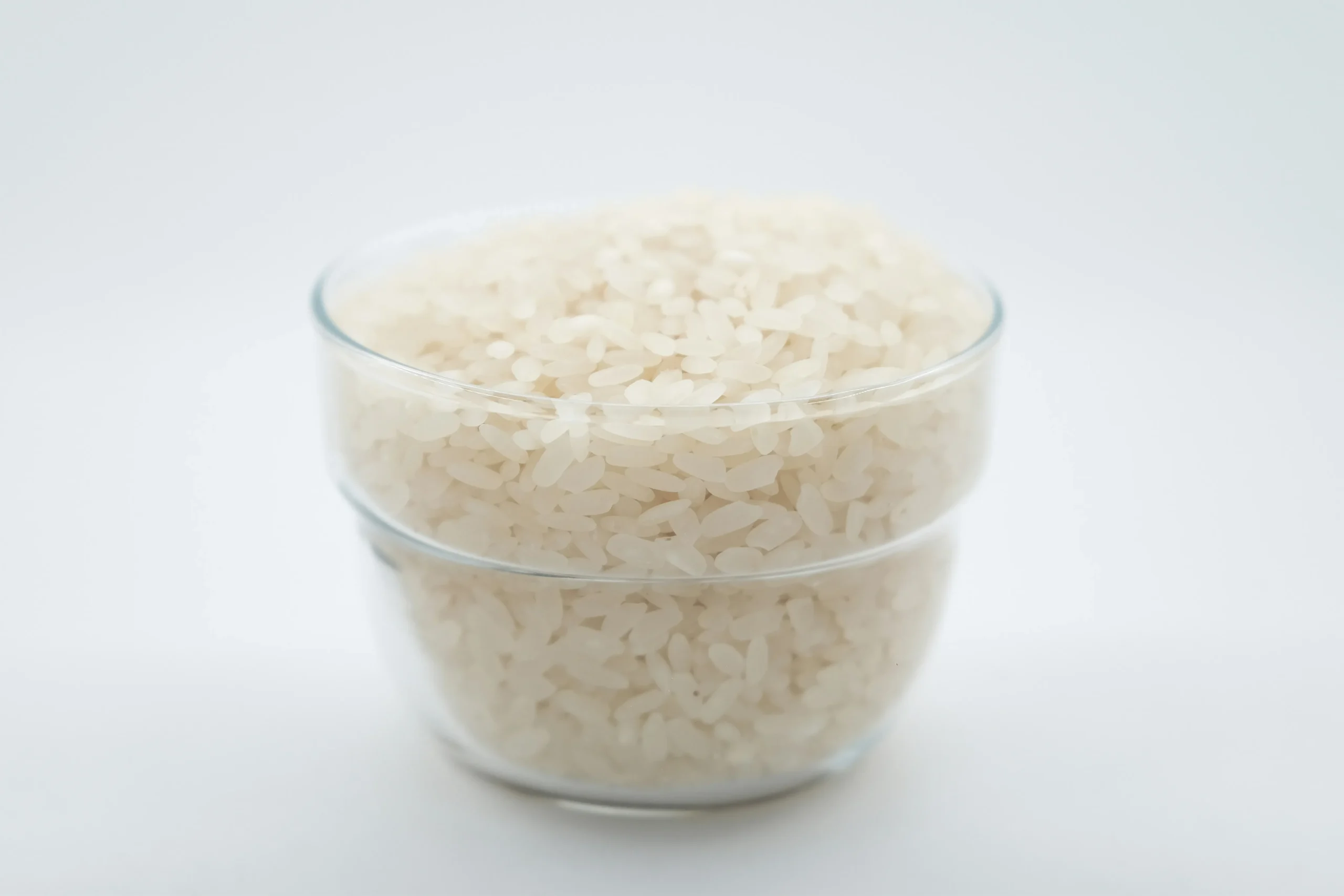
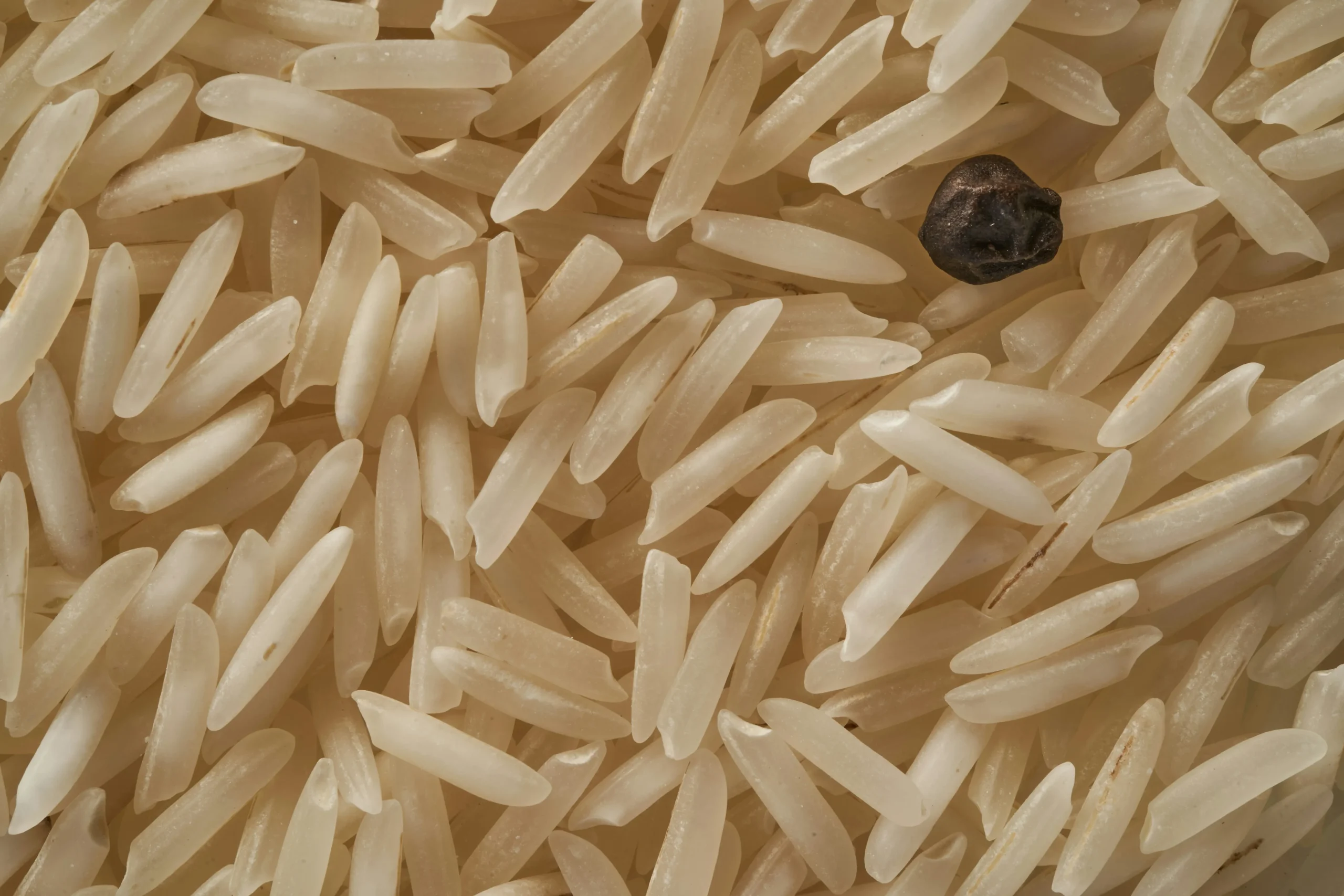
- Rice: Long-grain rice, such as Basmati or Jasmine, works best. They remain separate and fluffy after cooking, which is essential for traditional Turkish Rice Pilav.
- Fat: Choose between olive oil or butter. Both add richness, but butter imparts a slightly nutty flavor that complements the rice.
- Onion: Finely chopped onions add sweetness. Sautéing them in fat before adding rice enhances the flavor profile significantly.
- Broth: Using chicken or vegetable broth instead of water infuses the rice with depth. Homemade stock offers the best results, but store-bought is convenient.
- Salt: Essential for seasoning, it should be adjusted based on the saltiness of the broth used.
- Pine Nuts or Vermicelli (optional): Sautéed pine nuts add a crunch, while vermicelli offers a unique texture, making your Turkish Rice Pilav even more delightful.
Comparison of Fat Options:
| Ingredient | Flavor | Health Aspect |
|---|---|---|
| Olive Oil | Light, fruity | Heart-healthy fats |
| Butter | Rich, nutty | High in saturated fat, but adds flavor |
Choosing the right combination of these ingredients will elevate your Turkish Rice Pilav to new heights, ensuring it is both delicious and visually appealing.
Choosing the Right Type of Rice
Selecting the appropriate rice is crucial for achieving the perfect Turkish Rice Pilav. The type of rice will significantly influence the dish’s texture and flavor. Here’s a breakdown of the best options:
- Long-Grain Rice:
- Basmati: Known for its nutty aroma and fluffy texture. It’s a traditional choice for Turkish Rice Pilav, helping to achieve a light, airy consistency.
- Jasmine: Offers a delicate floral note and sticky texture. It’s a great alternative if you’re looking for a softer rice.
- Medium-Grain Rice:
- Calrose: This rice absorbs flavors well and creates a slightly moister pilav. Perfect for making a heartier Turkish Rice Pilav.
- Short-Grain Rice:
- Sushi Rice: While usually sticky, it can be used for a creamier pilav. It’s not the most traditional choice but can create a unique twist.
| Rice Type | Aroma | Texture | Best For |
|---|---|---|---|
| Basmati | Nutty | Fluffy | Classic Turkish Rice Pilav |
| Jasmine | Floral | Soft & Sticky | Alternative to Basmati |
| Calrose | Mild | Moist & Creamy | Hearty variations |
| Sushi Rice | Neutral | Sticky | Creative twists |
Ultimately, the choice of rice depends on personal preference and the texture you desire in your Turkish Rice Pilav. Make sure to select high-quality rice, as it lays the foundation for a delicious dish!
The Importance of Soaking and Rinsing
When it comes to Turkish Rice Pilav, the preparation process significantly influences the final texture and flavor. Soaking and rinsing the rice are two crucial steps that many cooks often overlook, yet they can make a remarkable difference.
Why Soak?
Soaking your rice offers several benefits:
- Reduces Cooking Time: Soaked rice cooks faster, helping you achieve that fluffy consistency more efficiently.
- Prevents Stickiness: By hydrating the grains, soaking reduces the chances of clumping, resulting in separate, fluffy grains rather than a sticky mass.
Soaking Time: Ideally, soak the rice for 30 minutes to 1 hour before cooking. This duration helps the grains absorb enough water without becoming overly saturated.
Why Rinse?
Rinsing the rice prior to cooking is equally essential. Here’s why:
- Removes Excess Starch: Rinsing eliminates surface starch, which contributes to stickiness. This is particularly important for achieving the light, fluffy style associated with Turkish Rice Pilav.
- Clears Impurities: Rinsing helps remove any dust or debris, ensuring that the rice is clean and ready to cook.
Steps to Rinse and Soak:
- Measure the amount of rice.
- Rinse thoroughly under cold water until the water runs clear.
- Soak in fresh water for the designated time.
- Drain before cooking to ensure optimal texture.
By incorporating these steps, you will significantly enhance the quality of your Turkish Rice Pilav, making it a delightful addition to any meal.
Step-by-Step Cooking Techniques
Creating a flawless Turkish Rice Pilav involves precise cooking techniques that ensure each grain remains separate and fluffy. Here’s a step-by-step guide to help you master this traditional dish:
- Sauté the Rice:
- Heat a few tablespoons of olive oil or butter in a heavy-bottomed pot over medium heat.
- Add the soaked and drained rice, stirring gently for about 3-4 minutes until it becomes slightly translucent. This step enhances the nutty flavor of the Turkish Rice Pilav.
- Add Liquid:
- Carefully pour in your pre-measured broth or water. Typically, the liquid-to-rice ratio is 2:1, but this can slightly vary based on the rice type.
- Bring it to a boil. Tip: The addition of well-seasoned broth adds depth to the flavor.
- Simmer and Cover:
- Reduce heat to low and cover the pot tightly with a lid. Allow the rice to simmer for around 15-20 minutes, or until all the liquid is absorbed. Avoid lifting the lid during this time to trap steam.
- Fluffing:
- Once cooked, remove the pot from heat. Let it sit covered for an additional 10 minutes. Then, fluff the rice gently with a fork to separate the grains.
- Serving:
- Transfer your prepared Turkish Rice Pilav to a serving dish. Optionally, garnish with sautéed nuts or herbs for an elegant presentation.
By following these techniques, you’ll achieve a light, fluffy Turkish Rice Pilav that’s not only delicious but also visually appealing.
Flavor Enhancements and Variations
Elevating your Turkish Rice Pilav goes beyond the basic recipe. With a few thoughtful additions, you can create a symphony of flavors that will delight your taste buds. Here are some delicious enhancements and variations to consider:
- Broth instead of Water: Use chicken, vegetable, or beef broth instead of water to infuse the rice with rich flavors.
- Herbs and Spices: Incorporate herbs like dill, cumin, or bay leaves during cooking to add depth. A pinch of saffron can also impart a luxurious taste and beautiful color.
- Nuts and Dried Fruits: Toss in slivered almonds, pine nuts, or raisins for a delightful crunch and sweetness that complement the rice’s texture.
- Vegetable Additions: Sauté finely chopped onions, carrots, or bell peppers in olive oil before adding rice. These vegetables bring additional flavor and nutritional value.
- Citrus Zest: A sprinkle of lemon or orange zest just before serving brightens up the dish and adds a refreshing aroma.
Popular Variations
| Variation Name | Ingredients | Flavor Profile |
|---|---|---|
| Persian Style | Saffron, barberries, nuts | Rich and aromatic |
| Mediterranean Style | Olives, tomatoes, feta cheese | Savory and tangy |
| Pilaf with Meat | Ground lamb or beef, spices | Hearty and robust |
Experimenting with these flavor enhancements allows you to personalize your Turkish Rice Pilav while staying true to its traditional roots. Happy cooking!
Tips for Serving and Storing Rice Pilav
When it comes to serving and storing Turkish Rice Pilav, ensuring it retains its fluffy texture and rich flavors is essential. Here are some practical tips to help you showcase this dish and extend its freshness.
Serving Tips
- Accompany with Sauces: Pair your Turkish Rice Pilav with delicious yogurt sauce or a tangy tomato salsa to enhance its flavors.
- Garnish Creatively: Elevate presentation by garnishing with freshly chopped parsley, toasted pine nuts, or dried fruits like raisins or apricots.
- Serve Warm: For the best taste, serve the pilav warm, right after cooking. If it’s been prepared in advance, gently reheat it on low heat to maintain its fluffiness.
Storing Tips
- Short-Term Storage: If you plan to enjoy leftovers, store them in an airtight container in the refrigerator for up to 3 days.
- Long-Term Freezing: For longer storage, freeze Turkish Rice Pilav in freezer-safe bags or containers. This can prolong its lifespan up to 3 months.
- Reheating: To regain the original texture, add a splash of water while reheating in a saucepan or microwaving. Cover with a lid to steam and fluff the rice.
By following these serving and storing tips, you can enjoy delicious Turkish Rice Pilav whenever the craving strikes!
Frequently Asked Questions
What type of rice is best for making Turkish rice pilav?
For the perfect Turkish rice pilav, the best choice is medium-grain rice, particularly ‘baldo’ rice, known for its high starch content which contributes to that desirable fluffy texture. You can also opt for basmati rice, which, although not traditional, provides a lovely aroma and separates well during cooking. It’s important to rinse the rice thoroughly before cooking to remove excess starch and prevent clumping.
How do I achieve the ideal fluffiness in my rice pilav?
To achieve that ideal fluffiness in your rice pilav, it’s crucial to use the right water-to-rice ratio and cooking technique. Typically, a 1:1.5 ratio of rice to water is a good starting point. After briefly sautéing the rice in butter or olive oil to coat the grains, add the water, bring it to a boil, then lower the heat to simmer. Once cooked, let the pilav rest for about 10 minutes before fluffing it with a fork, allowing steam to escape and the grains to separate.
Can I add vegetables or meat to my Turkish rice pilav?
Absolutely! Adding vegetables or meat can elevate your Turkish rice pilav into a complete meal. Common additions include sautéed onions, bell peppers, or carrots for vegetables. For a heartier dish, you can stir in pieces of chicken, lamb, or beef, which lend flavor and texture. However, if adding raw meat, ensure to adjust the cooking time accordingly to ensure everything is cooked perfectly together.
What is the best way to store leftover Turkish rice pilav?
To store leftover Turkish rice pilav, allow it to cool completely before transferring it to an airtight container. You can refrigerate it for up to 3-4 days or freeze it for up to 2 months. When reheating, add a sprinkle of water to prevent drying out, and cover the dish to maintain moisture while warming it in the microwave or on the stovetop.
How can I enhance the flavor of my Turkish pilav?
Enhancing the flavor of your Turkish pilav can be achieved through various methods like using broth instead of water for cooking, incorporating spices such as cumin, and adding bay leaves or a few cardamom pods during the cooking process. Also, toasting the rice before adding any liquid will infuse a nutty flavor that complements the dish beautifully.