The Secrets to Crafting Delicious Turkish Meatballs
Discovering the secrets to crafting delicious Turkish meatballs opens the door to a rich culinary tradition. These flavorful treasures blend aromatic spices, fresh herbs, and quality ingredients to create a dish that tantalizes the taste buds. With the perfect techniques for preparation and cooking, you can elevate your meatballs to...

Discovering the secrets to crafting delicious Turkish meatballs opens the door to a rich culinary tradition. These flavorful treasures blend aromatic spices, fresh herbs, and quality ingredients to create a dish that tantalizes the taste buds. With the perfect techniques for preparation and cooking, you can elevate your meatballs to a whole new level. Whether served alone or accompanied by various side dishes, understanding the nuances of Turkish meatballs can transform your dining experience into an authentic feast filled with warmth and flavor.
- 1. Ingredients for Authentic Turkish Meatballs
- 2. Preparation Techniques for Perfect Flavor
- 3. Cooking Methods to Enhance Texture
- 4. Serving Suggestions and Accompaniments
- 5. Frequently Asked Questions
- 5.1. What ingredients are essential for making authentic Turkish meatballs?
- 5.2. Is there a secret to keeping Turkish meatballs juicy and tender?
- 5.3. What sauces or sides pair well with Turkish meatballs?
- 5.4. Can Turkish meatballs be prepared in advance and frozen?
Ingredients for Authentic Turkish Meatballs
Crafting mouth-watering Turkish Meatballs starts with choosing the right ingredients. These essentials create the rich flavor and delightful texture characteristic of this popular dish. Here’s a breakdown of what you’ll need:
- Ground Meat: Traditionally, a mix of lamb and beef works best for authentic taste.
- Onions: Finely grated or chopped onions add moisture and sweetness.
- Garlic: Minced garlic enhances the overall flavor.
- Breadcrumbs: Use fresh breadcrumbs for a light and airy texture.
- Eggs: They bind the mixture together and add richness.
- Herbs and Spices:
- Parsley: Fresh parsley adds brightness and flavor.
- Cumin: Ground cumin offers an earthy undertone.
- Black Pepper: Freshly ground black pepper boosts the meatball’s savoriness.
Optional ingredients may include:

- Red Pepper Flakes: For a spicy kick.
- Pine Nuts: Toasted pine nuts lend a delightful crunch.
Combining these ingredients thoughtfully ensures your Turkish Meatballs will impress everyone at the table!
Preparation Techniques for Perfect Flavor
Achieving the perfect flavor in Turkish Meatballs begins with careful preparation. Here are some essential techniques to elevate your dish:
- Mix the Ingredients Thoroughly: Combine ground meat (usually lamb or beef) with finely chopped onions, garlic, and fresh herbs like parsley and mint. Ensure even distribution for consistent flavor.
- Incorporate Spices: Add spices such as cumin, paprika, and black pepper. These elements not only enhance taste but also infuse aromatic notes into the meatballs.
- Use Soaked Bread: To maintain moisture, soak bread in water or milk, then squeeze out excess liquid before mixing it with the meat. This technique creates a softer texture while adding depth to the flavor.
- Rest the Mixture: Let the meat mixture rest for at least 30 minutes in the refrigerator. This allows the flavors to meld and intensify, resulting in richer Turkish Meatballs.
- Shape with Care: Gently form the meatballs without overhandling, preserving their tenderness. This step significantly impacts the overall texture and taste in the final dish.
By following these preparation techniques, you’ll set a solid foundation for delicious Turkish Meatballs that impress at any dinner table.
Cooking Methods to Enhance Texture
When it comes to succulent Turkish meatballs, the cooking method plays a crucial role in achieving a delightful texture. Here are some effective techniques:
- Grilling: Grilling adds a smoky flavor while creating a crispy exterior. It helps seal in the juices, making Turkish meatballs tender and succulent.
- Baking: Baking allows for even cooking without excessive oil. By placing the meatballs on a rack, you can achieve a slightly crisp outside while keeping the inside moist.
- Frying: For those who crave a rich, golden crust, frying is ideal. Sear the meatballs in hot oil until they develop a crunchy surface.
- Simmering: Cooking Turkish meatballs in a sauce not only infuses them with flavor but also keeps them moist. Simmering in a rich tomato sauce is a popular option.
By selecting the right cooking method, you can enhance the textural experience of your Turkish meatballs, creating a balance of crispy, juicy, and flavorful bites that everyone will love!
Serving Suggestions and Accompaniments
When it comes to enjoying Turkish meatballs, the right accompaniments can elevate your meal to new heights. Here are some fantastic serving suggestions:
- Mezze Platter: Serve your Turkish meatballs alongside classic mezze such as hummus, baba ghanoush, and stuffed grape leaves. This combination creates a delightful spread that allows guests to enjoy various flavors.
- Rice or Bulgur Pilaf: Pairing Turkish meatballs with rice or bulgur pilaf enhances the overall meal. The grains soak up the savory juices, creating a satisfying dish.
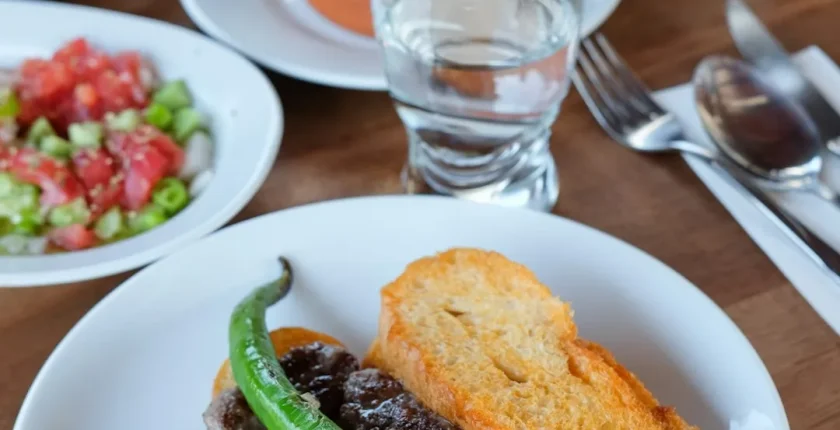
- Fresh Salad: A crisp salad featuring cucumbers, tomatoes, and parsley balances the richness of the meatballs. Drizzle with a light lemon vinaigrette for added freshness.
- Yogurt Sauce: A tangy yogurt sauce, often flavored with garlic and mint, complements Turkish meatballs perfectly. Just a dollop on top can bring out their rich flavors.
- Pita Bread: Wrap the meatballs in warm pita bread for a handheld delight. Add fresh veggies and sauce for a complete meal.
By incorporating these accompaniments, you not only enhance the flavor of the Turkish meatballs but also create a beautiful dining experience that celebrates the essence of Turkish cuisine.

Frequently Asked Questions
What ingredients are essential for making authentic Turkish meatballs?
To create authentic Turkish meatballs, also known as köfte, you’ll typically need ground beef or lamb, breadcrumbs, finely chopped onions, garlic, fresh parsley, and a mix of spices such as cumin, paprika, and black pepper. Some recipes may also incorporate grated zucchini or potatoes for added moisture and texture. Ensure that you balance spices well to achieve that authentic Turkish flavor profile.
Is there a secret to keeping Turkish meatballs juicy and tender?
Yes, a key secret to ensuring your Turkish meatballs remain juicy and tender lies in the moisture content of your ingredients. Incorporating wet ingredients, such as finely grated onion and herbs, helps to maintain juiciness. Additionally, avoid overmixing the meat; this can make them tough. Instead, gently combine all ingredients and let the meatballs rest in the fridge for a short period before cooking, which helps distribute moisture evenly.
What sauces or sides pair well with Turkish meatballs?
Turkish meatballs can be delightedly complemented by various sauces and sides. A classic option is a tangy yogurt sauce, often with garlic and cucumber, which adds a refreshing contrast. Alternatively, a rich tomato sauce or zesty pomegranate molasses can enhance their flavor. As for sides, serving meatballs alongside rice pilaf, grilled vegetables, or a fresh salad can make for a hearty and satisfying meal.
Can Turkish meatballs be prepared in advance and frozen?
Absolutely! Turkish meatballs are great for meal prep. You can shape the meatballs and freeze them uncooked. Just place them on a baking sheet in a single layer until frozen, then transfer them to a freezer bag. When you’re ready to cook, you can bake or pan-fry them straight from the freezer without needing to thaw, making dinner preparation quick and easy.