The Art of Cooking in a Turkish Kitchen: Techniques and Traditions
The essence of a Turkish kitchen goes beyond just the tools and ingredients; it embodies a rich tapestry of techniques and traditions that have been passed down through generations. From the essential equipment that shapes culinary creations to the vibrant regional variations found across Turkey, each element plays a crucial...


The essence of a Turkish kitchen goes beyond just the tools and ingredients; it embodies a rich tapestry of techniques and traditions that have been passed down through generations. From the essential equipment that shapes culinary creations to the vibrant regional variations found across Turkey, each element plays a crucial role in defining the art of cooking in this culturally significant setting. As we explore the depths of Turkish cuisine, we will uncover common ingredients, cooking methods, and the modern trends that continue to evolve within the beloved Turkish kitchen.
- 1. Essential Tools and Equipment in a Turkish Kitchen
- 1.1. Comparison Table: Essential Tools
- 2. Traditional Cooking Techniques in Turkish Cuisine
- 3. Common Ingredients and Their Uses
- 4. Regional Cuisines and Variations Across Turkey
- 4.1. 1. Aegean Region
- 4.2. 2. Marmara Region
- 4.3. 3. Central Anatolia
- 4.4. 4. Eastern Anatolia
- 4.5. 5. Southeastern Anatolia
- 5. Cultural Significance and Modern Trends in Turkish Cooking
- 5.1. Key Aspects of Cultural Significance:
- 5.2. Modern Trends in Turkish Cooking:
- 6. Frequently Asked Questions
- 6.1. What are the essential tools needed for Turkish cooking?
- 6.2. What key ingredients are commonly used in Turkish dishes?
- 6.3. How does traditional Turkish cooking differ from modern approaches?
- 6.4. What are some popular dishes to try in Turkish cuisine?
- 6.5. What customs and traditions surround cooking and dining in Turkey?
Essential Tools and Equipment in a Turkish Kitchen
A well-equipped Turkish kitchen plays a vital role in preparing authentic dishes that reflect the rich culinary heritage of Turkey. The right tools enhance efficiency and ensure you achieve the traditional flavors everyone loves. Here’s a breakdown of essential tools and equipment commonly found in a Turkish kitchen:
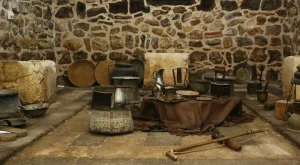
- Kazan (Cauldron): Ideal for stewing and cooking large quantities of food, particularly in festive gatherings.
- Tava (Frying Pan): Used for sautéing vegetables and frying meats; often made from copper or cast iron for even heat distribution.
- Çömlek (Clay Pot): Perfect for slow-cooking stews like “Testi Kebabı”, where the clay enhances flavor and moisture retention.
- Sarımsak Ezici (Garlic Press): A handy tool to crush garlic, essential in many Turkish dishes.
- Mutfak Tartısı (Kitchen Scale): For accurate measuring, especially important in baking traditional pastries.
- Bıçak Seti (Knife Set): A collection of sharp knives for peeling, slicing, and dicing ingredients with precision.
- Spice Grinder: Essential for grinding spices fresh, enhancing the depth of flavors in dishes.
- Börek Mould: For creating beautifully shaped pastries that are a staple in Turkish cuisine.
Comparison Table: Essential Tools
| Tool | Primary Use | Importance |
|---|---|---|
| Kazan | Stews & Large Meals | Ideal for family gatherings and traditional dishes |
| Tava | Frying & Sautéing | Versatile for various cooking methods |
| Çömlek | Slow-cooking Stews | Enhances flavor through clay cooking |
| Garlic Press | Crushing Garlic | Saves time and enhances flavor |
| Kitchen Scale | Accurate Measuring | Essential for baking and precision |
Having the right tools in your Turkish kitchen elevates your cooking experience, allowing you to create delicious, authentic dishes that resonate with tradition. Embrace these essentials to master the art of Turkish cooking!

Traditional Cooking Techniques in Turkish Cuisine
The Turkish Kitchen is renowned for its diverse cooking techniques that reflect the rich cultural heritage of Turkey. These methods enhance the flavors and textures of the ingredients, particularly when used in traditional recipes. Here are some key techniques commonly practiced in Turkish cuisine:
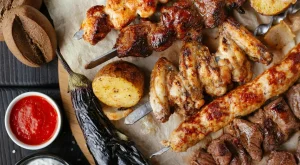
- Grilling (Izgara): Whether it’s kebabs or fish, grilling over charcoal adds a unique smoky flavor. This technique captures the essence of outdoor cooking, making it a favorite for Turkish gatherings.
- Baking (Fırınlama): Many Turkish dishes, such as pide and borek, rely on baking. The use of a traditional tandır (clay oven) helps achieve exceptional crusts and flavors.
- Stewing (Haşlama): Stewing combines meats and vegetables with spices over low heat, allowing flavors to meld beautifully. Classic dishes like stewed lamb and vegetables exemplify this technique.
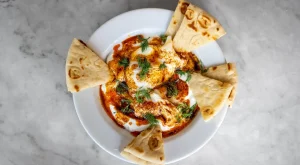
- Sautéing (Soteleme): This quick method is essential for dishes like menemen (scrambled eggs with vegetables) and helps preserve the vibrant colors and nutrition of the ingredients.
- Stuffing (Doldurma): This technique involves filling vegetables like grape leaves or peppers with rice, herbs, and often meat. Stuffed dishes hold a special place in Turkish meals and celebrations.
Understanding these traditional techniques not only elevates your cooking but also brings the essence of the Turkish Kitchen into your home. Try incorporating these methods for a more authentic Turkish culinary experience!
Common Ingredients and Their Uses
In a traditional Turkish Kitchen, ingredients play a pivotal role in defining the flavors and aromas that characterize Turkish cuisine. Here’s a look at some key ingredients and their culinary uses:
- Olive Oil: A staple in many Turkish dishes, olive oil is used for cooking, marinating, and dressing salads. It enhances the flavors of vegetables, meats, and even desserts.
- Rice: Essential for many meals, particularly pilaf, rice acts as a versatile base. Turkish rice dishes often incorporate spices, herbs, and vegetables.
- Eggplant (Aubergine): Popular in various forms, eggplant is grilled, roasted, or fried. It is the star ingredient in dishes like İslım Kebabı and Baba Ghanoush, adding rich flavor and texture.
- Yogurt: This creamy staple isn’t just a side; it’s also a key component in dishes like Cacık and Kebabs, adding a cooling contrast to spicy foods.
- Spices: Notably cumin, paprika, and sumac, these spices infuse depth into dishes. For example, sumac adds a tangy flavor to salads and grilled meats.
- Legumes: Lentils and chickpeas are primary sources of protein. Dishes like Mercimek Köftesi showcase their versatility in vegetarian forms.
These ingredients not only embody the essence of the Turkish Kitchen but also highlight the rich tapestry of flavors emerging from Turkey’s diverse regional cuisines. Understanding these common ingredients is vital in mastering Turkish cooking techniques and honoring its culinary traditions.
Regional Cuisines and Variations Across Turkey
The Turkish Kitchen is a vibrant tapestry woven with regional specialties and unique flavors. Turkey’s diverse landscapes contribute to this rich culinary heritage. Here’s an overview of the prominent regions and their distinctive dishes:
1. Aegean Region
- Ingredients: Olive oil, fresh vegetables, herbs
- Notable Dishes:
- Zeytinyağlı Enginar (Artichokes in olive oil)
- Biber Dolması (Stuffed peppers)
2. Marmara Region
- Ingredients: Meat, seafood, various spices
- Notable Dishes:
- İstanbul Köftesi (Istanbul meatballs)
- Midye Dolma (Stuffed mussels)
3. Central Anatolia
- Ingredients: Grains, legumes, meat
- Notable Dishes:
- Testi Kebabı (Pottery kebab)
- Manti (Turkish dumplings)
4. Eastern Anatolia
- Ingredients: Game meat, dairy, grains
- Notable Dishes:
- Kufta (meatballs)
- Aşure (Noah’s pudding)
5. Southeastern Anatolia
- Ingredients: Spices, grains, vegetables
- Notable Dishes:
- Kebabs (various types)
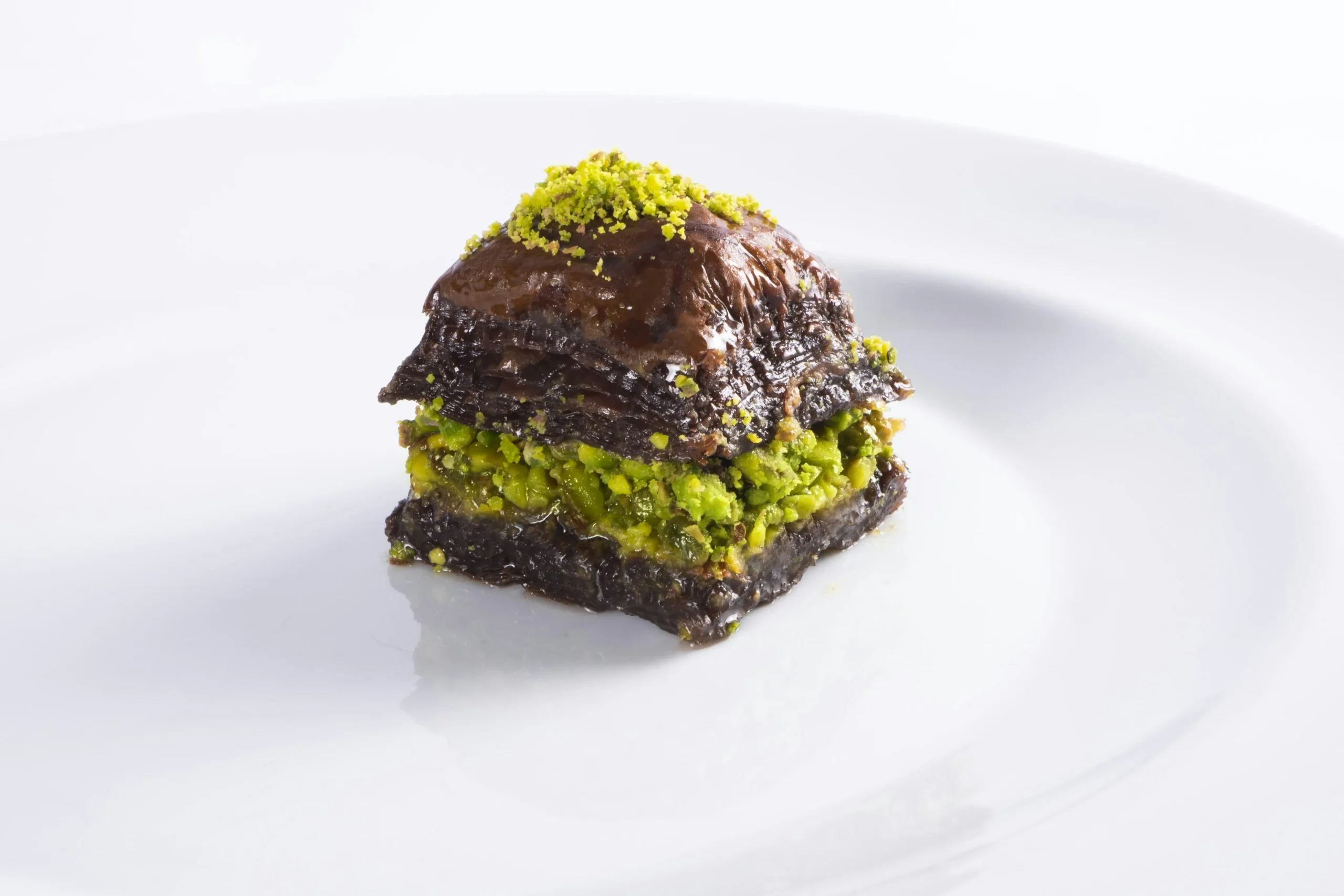
- Baklava (sweet pastry)
In each region, the Turkish Kitchen not only reflects local ingredients but also showcases cultural influences, historical interactions, and traditional cooking methods, making every bite a flavorful journey through Turkey’s extensive heritage. This diversity enriches the Turkish Kitchen, emphasizing the importance of locality and tradition in every dish.
Cultural Significance and Modern Trends in Turkish Cooking
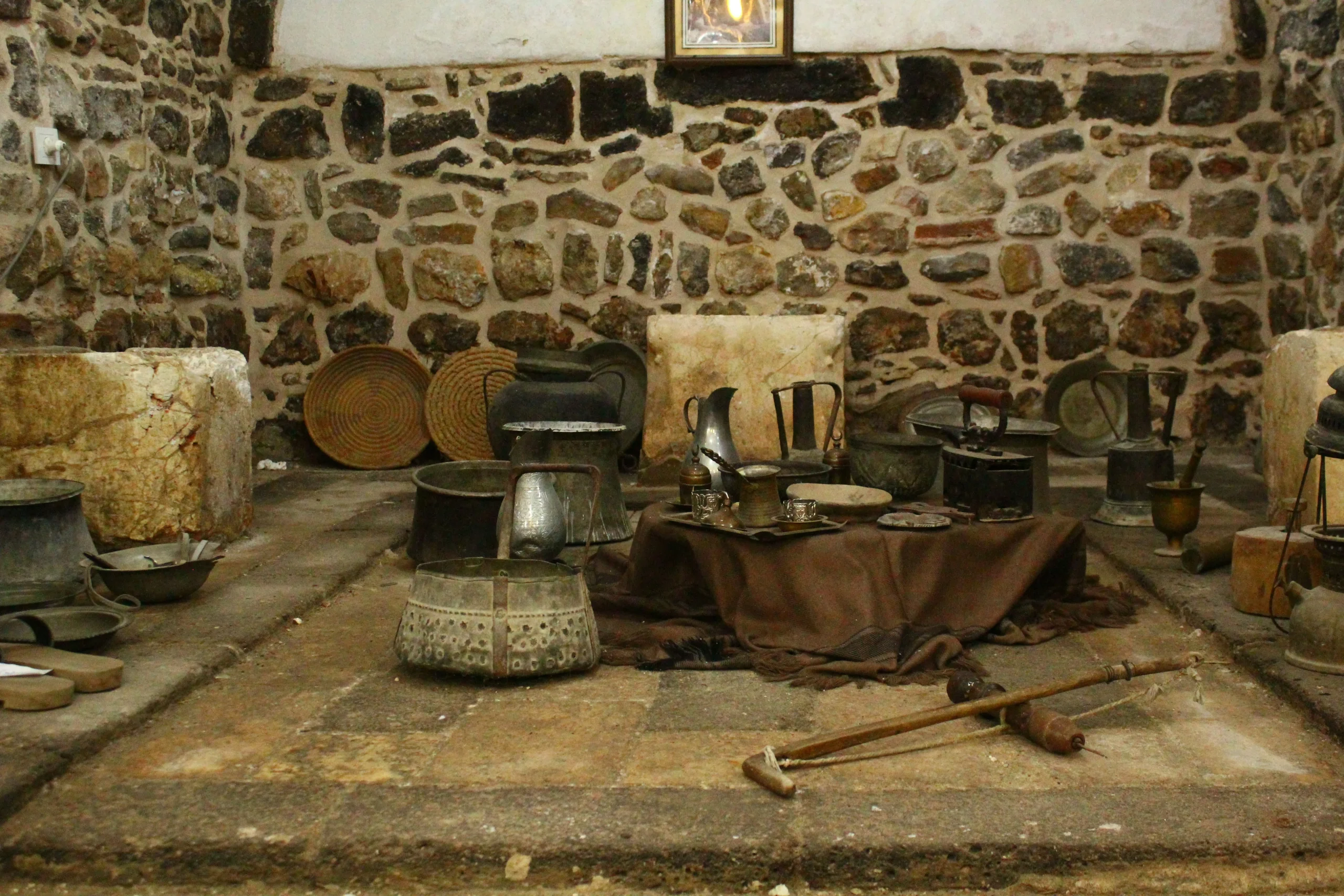
The Turkish Kitchen is not only a culmination of flavors and techniques but also a reflection of rich cultural heritage. It embodies historical influences from various civilizations, including the Ottomans, Persians, and Greeks. This integration of diverse elements has elevated Turkish cooking to a cultural art form.
Key Aspects of Cultural Significance:
- Family and Community: Traditional meals often bring families together, emphasizing the importance of sharing food and stories. Dishes like biryani or lahmacun serve as focal points during gatherings.
- Festivals and Celebrations: Special occasions, such as Ramadan and weddings, feature traditional foods that symbolize abundance and joy. The preparation and sharing of these dishes reinforce communal bonds.
Modern Trends in Turkish Cooking:
- Fusion Cuisine: Contemporary chefs reimagine classic dishes by incorporating global flavors. For example, you might find Turkish kebabs served with a fusion of Asian spices.
- Health Consciousness: There is a growing emphasis on using fresh, organic ingredients. Traditional herbs and vegetables, such as mint and eggplant, are gaining popularity in modern diets.
- Plant-Based Options: As the world moves towards vegetarianism and veganism, the Turkish Kitchen adapts by highlighting dishes like stuffed peppers and falafel which appeal to health-conscious eaters.
Overall, the Turkish Kitchen remains dynamic, evolving while respecting its deep-rooted traditions. This blend of past and present ensures that Turkish cooking continues to flourish in modern society.
Frequently Asked Questions
What are the essential tools needed for Turkish cooking?
To master the art of Turkish cooking, one should equip themselves with some essential tools that include a variety of pots and pans such as a tava (frying pan), a casserole dish, and a pressure cooker. Additionally, a good quality knife for chopping, a wooden spoon for stirring, and a mortar and pestle for grinding spices are indispensable. Using a food processor can also aid in the preparation of many traditional dishes. Honing your knife skills is particularly important as slicing vegetables and meats finely is a common practice in Turkish cuisine.
What key ingredients are commonly used in Turkish dishes?
Turkish cuisine is richly diverse and relies on a variety of key ingredients to create its distinct flavors. Staples include fresh vegetables, particularly peppers, eggplants, and tomatoes, as well as grains like rice and bulgur wheat. Essential proteins include lamb, beef, and an abundance of seafood due to the country’s access to the Mediterranean. Additionally, spices such as cumin, paprika, and sumac are utilized, along with herbs like parsley and mint, to elevate the dishes. Olive oil is a fundamental fat used in most cooking, highlighting the importance of regional ingredients derived from Turkey’s fertile lands.
How does traditional Turkish cooking differ from modern approaches?
Traditional Turkish cooking is deeply rooted in centuries-old techniques and communal practices, often involving slow-cooking methods and the use of a wood stove or open fire. Recipes tend to be passed down through generations, with a focus on rich flavors achieved through the careful layering of spices and herbs. Modern Turkish cooking, however, embraces contemporary culinary trends, incorporating innovative techniques and international influences while still honoring traditional flavors. Chefs today often seek to present Turkish dishes with a modern flair, experimenting with presentation and fusion elements, while still using classic ingredients.
What are some popular dishes to try in Turkish cuisine?
When exploring Turkish cuisine, some must-try dishes include ‘Kebabs’, which vary by region in Turkey, from the well-known Adana Kebab to more subtly flavored İskender Kebab. ‘Meze’ platters, featuring a selection of small dishes such as hummus, baba ghanoush, and stuffed grape leaves, are essential to any dining experience. ‘Lahmacun’, a thin crust pizza topped with minced meat, garlic, and spices, is another favorite. Furthermore, dishes like ‘Manti’ (Turkish dumplings) and ‘Baklava’ (a sweet pastry made with layers of filo dough) showcase the country’s culinary diversity and depth.
What customs and traditions surround cooking and dining in Turkey?
Cooking and dining in Turkey are steeped in rich customs and traditions that reflect the country’s cultural heritage. Meals are often a communal affair, emphasizing family and hospitality, where guests are treated with warmth and generosity. It’s common to serve multiple courses, starting with mezes and followed by a main course, often accompanied by rice or bread. Sharing food from large platters is customary, fostering a sense of togetherness. Additionally, tea and coffee play a significant role in Turkish culture, often served as a gesture of hospitality during meals and gatherings, reinforcing social bonds.